
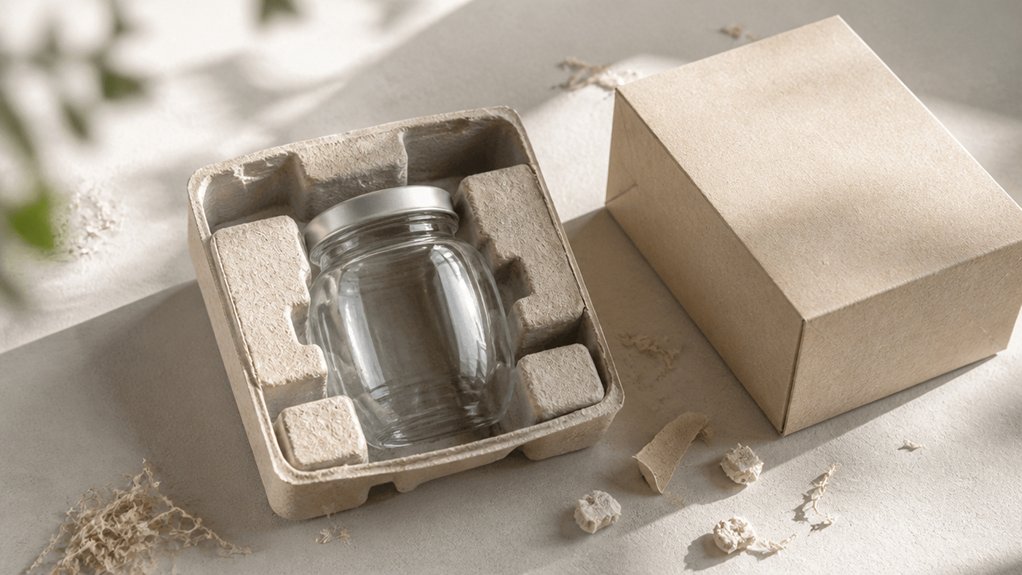
Just as you reduce packaging waste, you must also prevent damage that can waste the product itself. Start by identifying the hazards your package must withstand, from moisture and impact to storage conditions. Then compare materials, structure, and end-of-life options against those needs. A lighter design isn’t automatically more sustainable if it compromises protection. The key is finding the point where material savings and product integrity hold up under real-world testing.
Identify What Your Packaging Must Protect
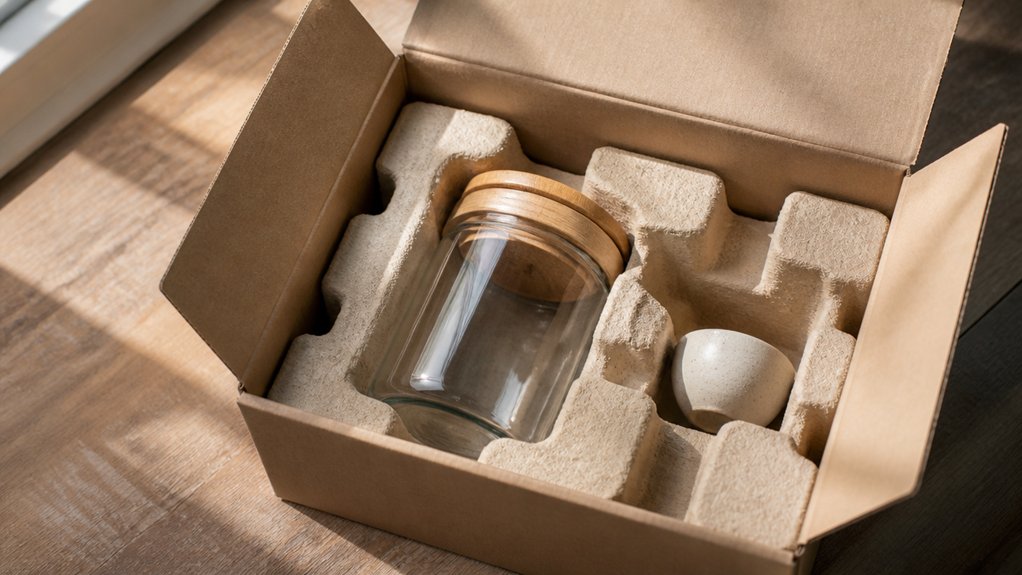
Before choosing a package, identify the hazards your product must withstand. Map its route from production to use, including storage duration, handling, transport, and exposure conditions. Your assessment should reflect the product’s fragility, weight, shape, and sensitivity to moisture, oxygen, light, temperature, or contamination.
Check applicable safety and shipping requirements, then use test data or documented field performance to set measurable protection targets.
Packaging durability depends on the specific risks, not on maximum strength alone. Define acceptable limits for breakage, leakage, spoilage, or performance loss, and consider how stacking, vibration, drops, and compression could cause failure. Match tests to real distribution conditions whenever possible.
Also assess Environmental impact in context: product loss can outweigh packaging impacts. Record damage rates and customer complaints, then revise your protection criteria as evidence changes. This baseline helps you compare future designs fairly.
Choose Materials That Balance Protection and Impact
Once you’ve defined the protection targets, compare materials by how well they meet them and what impacts they create across their life cycle. Check barrier performance, strength, temperature tolerance, and compatibility with your product.
Then assess sourcing, manufacturing energy, transport emissions, and end-of-life options using supplier data and recognized life-cycle assessments. Paper, glass, metals, and polymers each perform differently; no material is automatically sustainable.
Verify that local collection systems can recover your chosen format, and confirm recycled-content claims with documentation. Innovative materials, including bio-based polymers, may reduce reliance on fossil feedstocks, but you’ll need to check their protective properties and whether suitable composting or recycling infrastructure exists.
Eco friendly coatings can improve moisture or grease resistance, yet some complicate recycling. Choose the option that protects your product while meeting verified environmental and operational requirements.
Design Packaging to Use Less Material
After selecting a material that meets your protection and recovery requirements, reduce packaging mass through right-sizing and structural design. Measure your product’s dimensions, then minimize excess headspace while preserving clearance for cushioning or movement. Match box dimensions to the product and use inserts only where they provide necessary restraint.
Innovative design can replace solid components with ribs, folds, or molded features that maintain stiffness using less material. Apply Material reduction strategically: reduce wall thickness, remove redundant layers, and simplify closures, but retain features that prevent damage or enable reliable handling.
Use package geometry to distribute loads efficiently, and choose standardized formats when they reduce trim waste or improve material utilization. Document each change by component and mass so you can compare designs, identify savings, and avoid shifting unnecessary material into another packaging element.
Test Packaging for Shipping and Storage
Validate the complete package—not just its materials—under shipping and storage conditions that reflect its actual distribution route. Use a documented test plan based on expected hazards, including vibration, shock, compression, temperature, and humidity.
Select recognized protocols, such as ASTM or ISTA procedures, and match test severity to shipment size, handling, and duration.
Inspect products and packaging before and after each test. Record damage, movement, seal failure, and changes in protective performance; compare results against defined acceptance criteria.
If failures occur, adjust the structure, closure, or cushioning, then repeat the relevant tests. Innovative cushioning can reduce impact forces, while a Custom fit can limit product movement without unnecessary material.
Confirm performance across production samples, not just prototypes, and retain test records to support design decisions. This evidence helps you balance reliable protection with efficient packaging for real distribution conditions.
Plan for Reuse, Recycling, and Disposal
Shipping tests confirm that a package protects its contents, but its end-of-life options also shape its environmental impact. Plan those options during design, not after launch. Choose materials that local facilities actually accept, and verify collection rules in each market. Use clear labels to show customers how to separate components, remove closures, or return reusable packs. Consumer behavior affects whether these instructions work, so test label comprehension and return convenience with real users.
For reuse, specify durable materials, cleaning procedures, inspection criteria, and return logistics; track cycles to confirm performance.
For recycling, minimize mixed materials, adhesives, and coatings that disrupt sorting or processing. Assess disposal only where reuse and recycling aren’t feasible, and identify safe, compliant routes. Document material composition and claims to support Regulatory compliance.
Review recovery data regularly, then revise packaging when infrastructure, rules, or product needs change.
About the Author