You want packaging that protects food, preserves quality, and returns to the materials stream. Yet recyclability depends on more than the package itself: material choices, barrier performance, sorting infrastructure, and clear labeling all shape its end of life. As you weigh mono-material designs, recycled content, and new coatings, one practical question remains: which changes can scale without compromising food safety?
What Makes Food Packaging Recyclable?
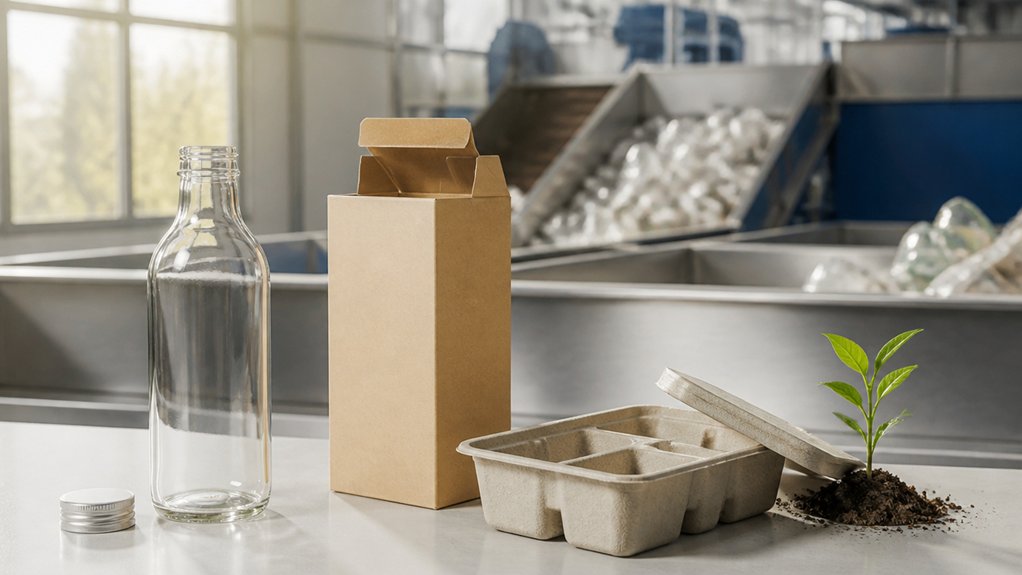
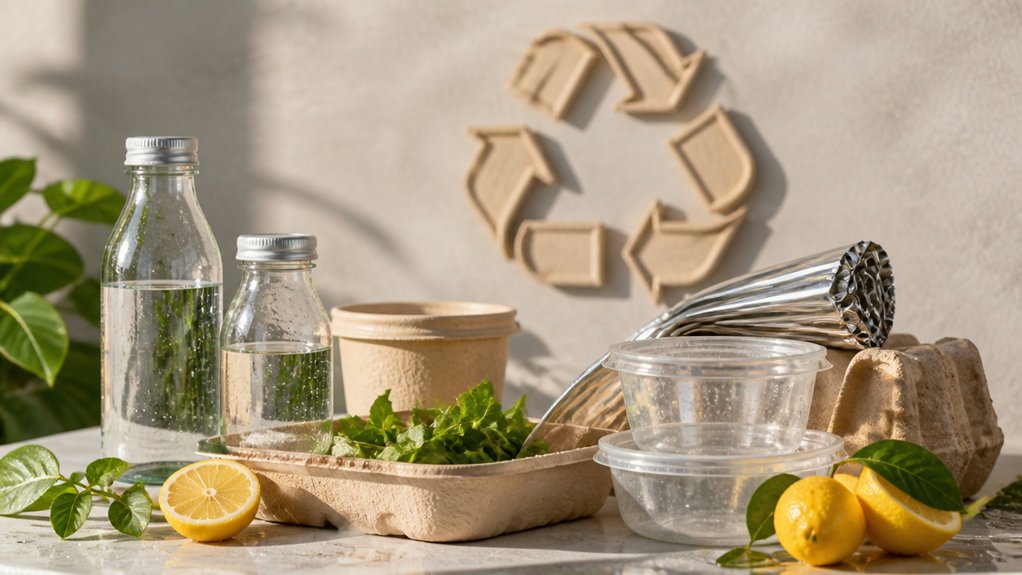
What makes food packaging recyclable depends on whether collection systems can sort it and recycling facilities can process it into usable material. You’ll find recyclability hinges on packaging design, material value, and local infrastructure working together.
A package made from a widely collected polymer or fiber stream can move through sorting equipment and become feedstock for new products. Clear material identification and compatible labels help facilities recognize and separate items accurately.
Your choices also influence outcomes: Consumer recycling behavior determines whether packaging enters the correct collection stream, stays clean, and reaches a processor.
For manufacturers, design for recycling means selecting materials that retain performance while supporting recovery at scale. Innovative recycling methods, including advanced sorting and chemical recycling, may expand options where mechanical processes fall short.
Check local guidelines, since accepted materials and processing capabilities vary by region.
What Makes Food Packaging Hard to Recycle?
Even when a package appears recyclable, mixed materials, food residue, and incompatible labels can prevent recovery. When you combine paper, plastic, foil, or barrier coatings, sorting equipment may not separate each layer, so the package can contaminate otherwise usable streams.
Grease, sauces, and product remnants also lower material quality; your facility may reject items that arrive unclean. Adhesives, inks, and sleeves can interfere with optical identification or pulping, while small components may escape sorting screens.
Biodegradable plastics create further complexity because they may resemble conventional resins yet require different processing conditions. If you place them in standard recycling, they can compromise recycled feedstock.
There are also ongoing challenges with composting: industrial composters may not accept certified items, and collection access varies. Check local program rules and packaging specifications before making disposal claims to customers.
Which Recyclable Materials Suit Different Foods?
Material choice depends on the food’s moisture, fat content, acidity, temperature, and shelf-life needs.
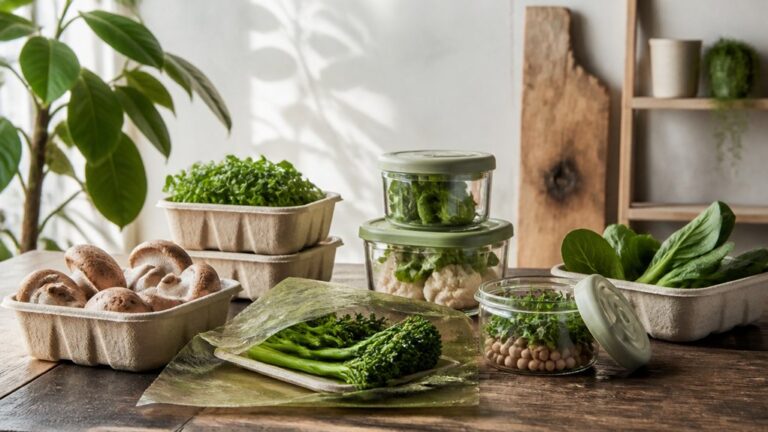
For dry goods such as cereal, you can use paperboard cartons or paper bags designed for established fiber-recycling streams.
Bottles made from recyclable PET suit cold beverages, while HDPE containers work well for milk and other products requiring sturdy, moisture-resistant packaging.
For canned foods, steel and aluminum offer strong protection and widely available recycling routes.
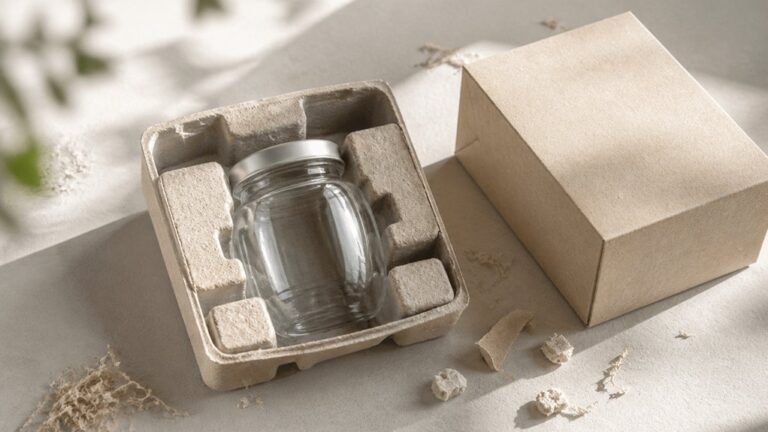
Glass jars can preserve acidic foods and support reuse, though their weight increases transport emissions.
Match each format to local collection and sorting capabilities; a technically recyclable package may not be recovered everywhere.
Innovative material blends can meet performance demands, but simpler, compatible structures often recycle more reliably.
Clear labeling and consumer recycling education help you guide disposal and strengthen material recovery across food and beverage supply chains.
How Do Barrier Coatings Help Packaging Recycle?
When packaging needs extra protection from moisture, oxygen, or grease, barrier coatings can help preserve food without relying on hard-to-recycle multilayer materials. You can apply a thin functional layer to paperboard or a compatible polymer substrate, helping the package resist contamination while keeping its structure simpler.
That simplicity can make sorting, repulping, or reprocessing more practical, depending on the coating chemistry and local recycling infrastructure.
Innovative coating technologies include water-based dispersions and recyclable, repulpable formulations designed to separate during standard processing. You should assess coating weight, food-contact compliance, sealing performance, and end-of-life behavior together; a barrier that protects products but disrupts recycling won’t meet sustainability goals.
Work with converters and recyclers to validate designs in real-world systems. By matching protection to the food and disposal pathway, you can support Sustainable waste management and reduce avoidable packaging complexity.
Where Does Recycled Content Fit in Food Packaging?
Barrier design addresses how packaging performs and recycles; recycled content addresses what goes into its next production cycle.
Recycled content can reduce demand for virgin feedstocks and support circular material flows, but food-contact applications require careful sourcing and validation. You’ll need to match the material to the package, product, and regulatory requirements.
For plastics, approved recycling processes must control contamination and demonstrate that the resulting resin is suitable for its intended use. Paper and metal streams have different specifications and supply constraints, so availability and quality can vary by region.
You should also consider consumer perception: clear, accurate claims help explain recycled material’s role without overstating environmental benefits. Track content percentages, chain-of-custody records, and supplier documentation to substantiate claims and meet customer or regulatory expectations.
Reliable supply, food safety, and verified performance determine where recycled inputs fit.
How Can Better Design Make Packaging Easier to Recycle?
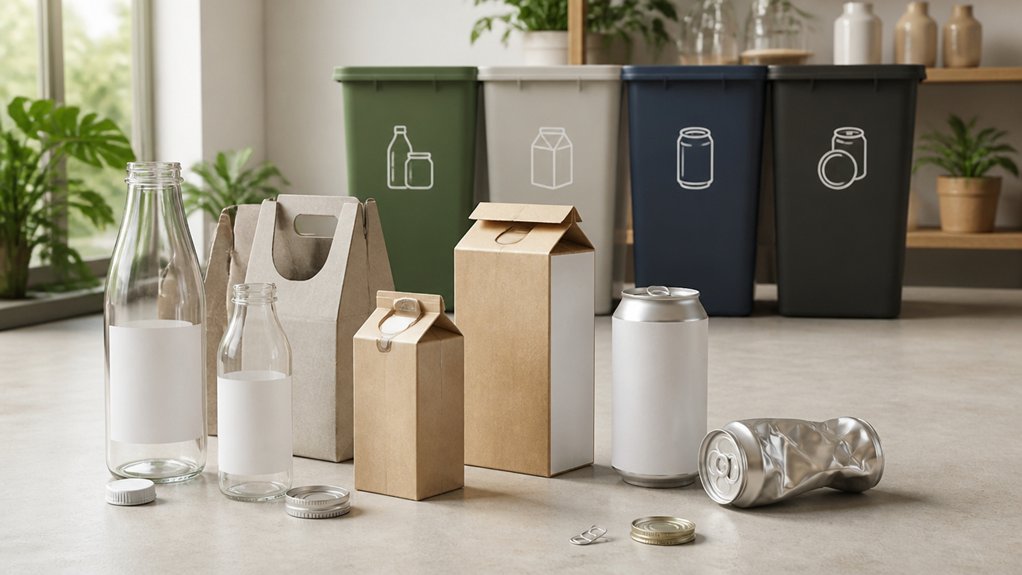
Designing for recyclability starts with making each package compatible with the collection, sorting, and reprocessing systems available in its target market. Choose materials and formats that local facilities can identify and process, such as widely accepted mono-material structures. Avoid unnecessary layers, incompatible polymers, dark pigments, and small components that sorting equipment may miss.
Use labels, inks, adhesives, and closures that separate cleanly or won’t contaminate the recycling stream. Innovative design can preserve barrier performance while reducing material complexity, helping protect food without compromising recovery.
You should also make disposal instructions clear and specific to local rules. Consumer engagement improves when people can quickly identify the right bin and prepare packaging correctly.
Test designs with recyclers and sorting operators, then refine specifications using their feedback and real-world recovery data.
What Could Accelerate Recyclable Food Packaging?
Accelerating recyclable food packaging requires coordinated investment across the value chain, not just better package design. You’ll need converters, brands, recyclers, and retailers to align specifications, collection systems, and end-market demand.
Standardized labeling and clear recycling instructions can reduce sorting errors, while extended producer responsibility fees can reward packages that work in local recovery systems.
Innovative material innovations, including recyclable barrier coatings and mono-material structures, can protect food without disrupting mechanical recycling. You should validate these formats for shelf life, food safety, and compatibility with existing sorting and reprocessing equipment before scaling production.
Investment in advanced sorting, washing, and food-grade recycling can also improve material quality and supply.
Consumer behavior shifts matter, too. You can make correct disposal easier through consistent labels and convenient collection. Stronger recycled-content procurement commitments will help turn recovered packaging into a reliable, commercially viable resource.
About the Author