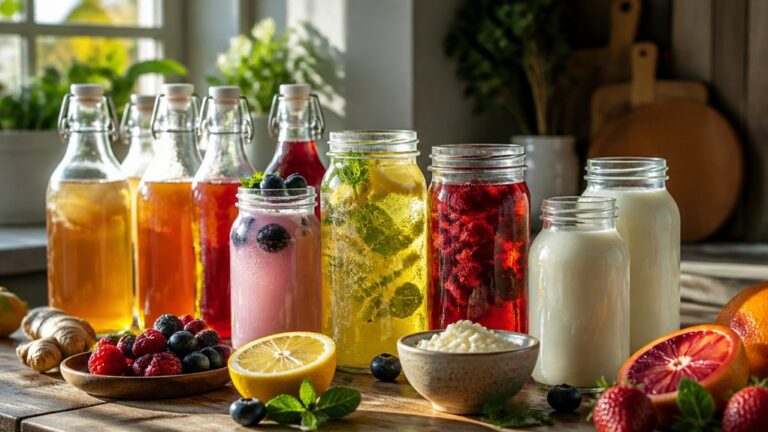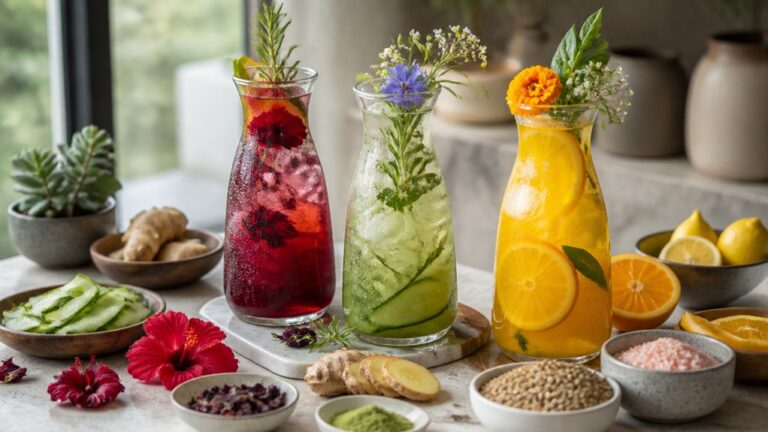
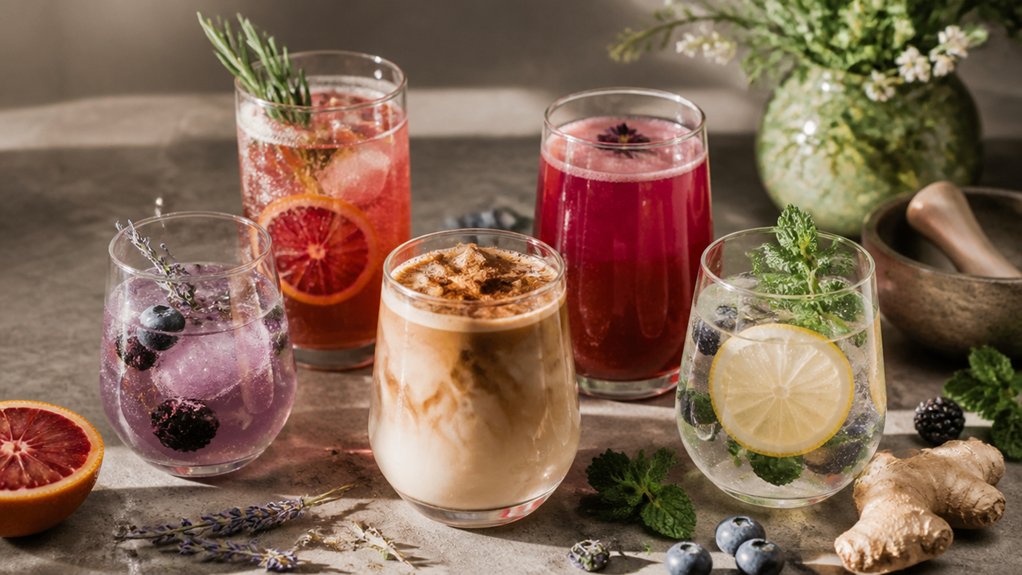
This year, you’ll need to look beyond hydration to see where beverage preferences are heading. Consumers want functional benefits, distinctive global flavors, and sophisticated alcohol-free choices, while also expecting transparent ingredients and more sustainable packaging. Technology is opening new ways to personalize drinks and respond to demand. The challenge is turning these signals into products that feel authentic, useful, and commercially viable—and knowing which trends deserve your investment first.
How Functional Drinks Go Beyond Hydration?
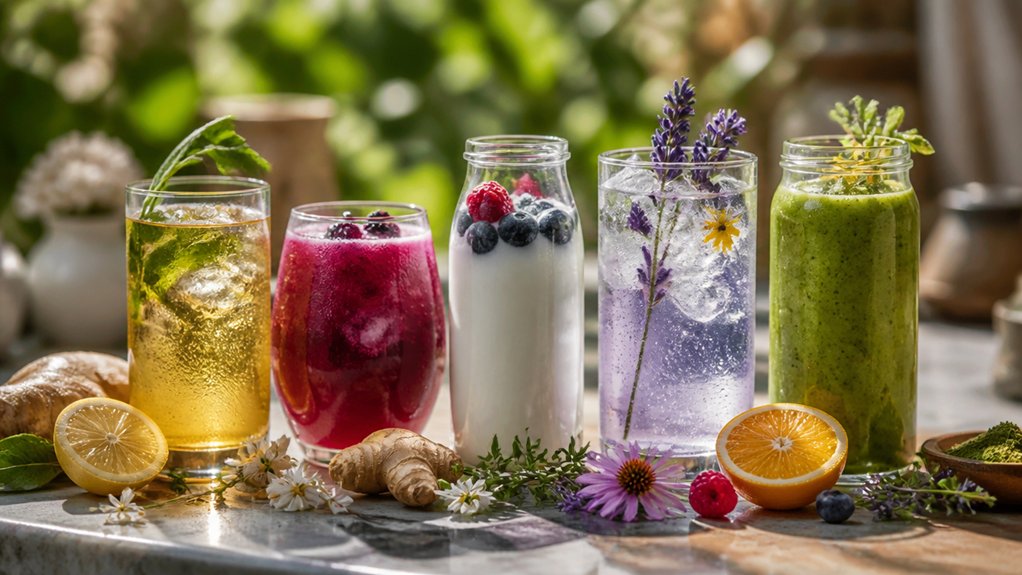
Functional drinks are evolving from simple thirst-quenchers into targeted wellness options. You’ll find beverages formulated to support energy, digestion, focus, and recovery, often with ingredients such as adaptogens, prebiotics, electrolytes, and botanicals. This shift puts functional nutrition into formats that fit easily into your daily routine.
For manufacturers, the opportunity lies in pairing credible benefits with enjoyable taste and clear labeling. You can expect hydration innovation to move beyond basic electrolyte blends, with products tailored to different activities, occasions, and consumer needs. Some brands are exploring personalized formulas, while others spotlight recognizable ingredients and science-backed claims.
Transparency matters: shoppers want to know what’s inside, why it’s included, and what it can realistically do. When you choose a drink, look for evidence, sensible formulations, and benefits that match your goals—not just bold promises.
Why Are Low- and No-Alcohol Drinks Growing?
You’re seeing low- and no-alcohol drinks rise as health-conscious choices reshape what people want in their glass.
Social drinking is shifting, too: you can join the occasion without making alcohol the focus.
And with more sophisticated alcohol-free options, you don’t have to compromise on flavor or ritual.
Health-Conscious Choices
As wellness becomes part of everyday decision-making, more people are choosing drinks that fit their routines without sacrificing flavor or ritual. Low- and no-alcohol options meet that demand, giving you sophisticated choices with less alcohol and fewer associated calories. Brands are moving beyond simple substitutes, using botanical blends, fermented notes, and layered flavors to make each pour feel considered.
You’ll also see wellness cues extend to the full ingredient list. Sugar reduction can sharpen a drink’s profile while supporting consumers who monitor added sugars. Organic ingredients offer another point of distinction, especially when brands explain sourcing clearly and avoid overstated health claims.
For manufacturers, the opportunity lies in balancing transparency with taste: create products that fit your customers’ preferences, deliver a satisfying sensory experience, and make mindful choices easy to recognize on the shelf.
Social Drinking Shifts
When social plans no longer revolve around alcohol, low- and no-alcohol drinks let everyone join the ritual on their own terms. You’re seeing a cultural reset: Social norms increasingly make room for moderation, flexible choices, and occasions where drinking isn’t the main event.
Younger consumers, in particular, may prioritize connection, wellbeing, and feeling present over following old scripts.
Peer influence accelerates the shift. When friends choose a low- or no-alcohol option, you’re more likely to view it as a natural part of the gathering—not a statement that needs explaining.
That visibility is reshaping menus, celebrations, and everyday meetups. For manufacturers, the opportunity lies in understanding when and why people want to participate without alcohol.
Build products and messaging around inclusion and choice, and you can meet changing social expectations while keeping shared rituals alive.
Better Alcohol-Free Options
That demand for inclusive social options is pushing low- and no-alcohol drinks beyond basic substitutes. You’re seeing consumers seek flavor, ritual, and choice without the effects of alcohol. Better brewing and distilling techniques now deliver complexity, aroma, and satisfying texture, making these drinks credible picks for dinners, celebrations, and everyday occasions.
For manufacturers, the opportunity lies in treating alcohol-free products as distinctive beverages, not watered-down imitations. Craft beer can showcase regional ingredients, inventive hops, and fermentation expertise, while Non alcoholic spirits bring botanical depth to cocktails and ready-to-drink formats.
Clear labeling and thoughtful packaging help you build trust and make choices easy.
As moderation becomes part of modern drinking culture, invest in taste-led innovation and inclusive occasions. You’ll reach curious drinkers while giving loyal customers more ways to enjoy your brand.
Where Are Plant-Based Beverages Finding New Fans?
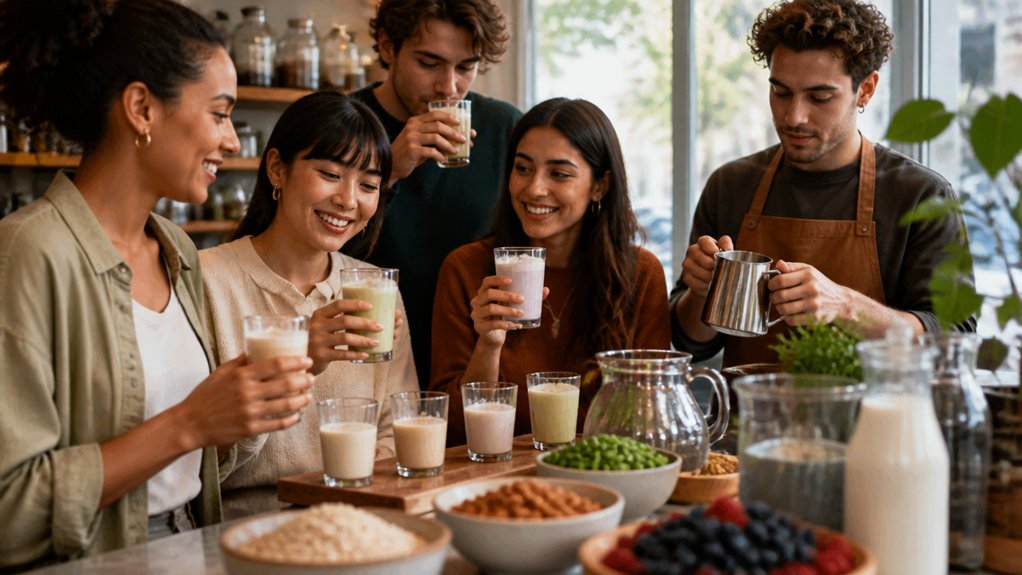
Plant-based beverages are finding new fans beyond the dairy-free aisle, with cafés, offices, and convenience stores making oat, almond, and other alternatives part of everyday routines. You’ll also see them gaining ground in workplace fridges, hotel minibars, and ready-to-drink formats, where convenience matters as much as choice.
For manufacturers, plant-based innovations can widen appeal through improved texture, familiar nutrition cues, and options designed for coffee, cooking, or on-the-go use. Consumer acceptance grows when products fit existing habits rather than asking shoppers to change them.
Clear ingredient lists and transparent sourcing can help you build trust, while varied pack sizes meet different occasions. As these drinks move into mainstream settings, you can reach flexitarians and curious shoppers alongside people avoiding dairy, making plant-based choices a practical part of your broader beverage portfolio.
How Are Bold Flavors Shaping Beverage Trends?
You’ll find beverage menus looking beyond familiar flavor profiles, with global ingredients bringing new depth to every sip.
Sweet-and-spicy pairings—from mango and chili to honey and ginger—are turning contrast into a trend. Expect these bold combinations to keep your palate curious and brands innovating.
Global Flavor Explorations
Global flavors are moving from niche curiosities to must-try beverage trends, bringing ingredients like yuzu, hibiscus, and tamarind into everyday drinks.
As you develop new products, look beyond familiar flavor profiles to discover ingredients with distinctive origins and sensory appeal.
Global fusion lets you pair regional botanicals, fruits, and teas in fresh, balanced ways, while cultural influences help you tell authentic stories about where those ingredients come from.
Your customers increasingly seek drinks that offer discovery as well as refreshment, so thoughtful sourcing and clear flavor descriptions can make exploration feel inviting.
Consider how aroma, acidity, and texture work together, and adapt recipes to suit local preferences without erasing their roots.
By treating global flavors with curiosity and respect, you can create beverages that feel both adventurous and accessible.
This approach can also help your portfolio stand out in crowded categories.
Sweet-and-Spicy Combinations
Sweet-and-spicy combinations are giving beverage menus a bold new edge, pairing familiar sweetness with a lingering kick of heat. You’ll find this contrast in chili-mango coolers, honey-ginger teas, and jalapeño-lime spritzes, where heat adds dimension rather than overpowering refreshment.
Thoughtful Flavor pairing helps you connect fruit, herbs, and spices in ways that feel surprising yet approachable. For manufacturers, spice balance is essential: too little heat disappears, while too much can mask aroma and discourage repeat sips.
Build intensity gradually, using citrus to brighten, sweetness to soften, and carbonation to lift the finish. You can also tailor heat levels for different audiences, from a gentle ginger warmth to a sharper pepper bite.
As consumers seek adventurous, customizable drinks, sweet-and-spicy profiles offer a flexible route to distinctive launches and memorable menus.
Why Do Shoppers Want Clean-Label Beverages?
As shoppers scrutinize what goes into their drinks, clean-label beverages offer a clearer story: recognizable ingredients, straightforward claims, and fewer artificial additives. You’re not just choosing a flavor; you’re deciding whether a brand’s choices align with your expectations for quality and wellness.
That’s why ingredient transparency now shapes discovery, from a legible label to clear explanations of sourcing and processing. Organic certification can add a meaningful signal, but you’ll still want to check what the seal covers and whether the drink delivers on its broader promises.
For manufacturers, clean labels aren’t a license to make vague health claims. They’re an invitation to build trust through concise ingredient lists, credible evidence, and products that taste excellent.
As scrutiny grows, honest formulation can make your next beverage feel like a confident, informed choice.
How Is Sustainable Packaging Changing Beverage Choices?
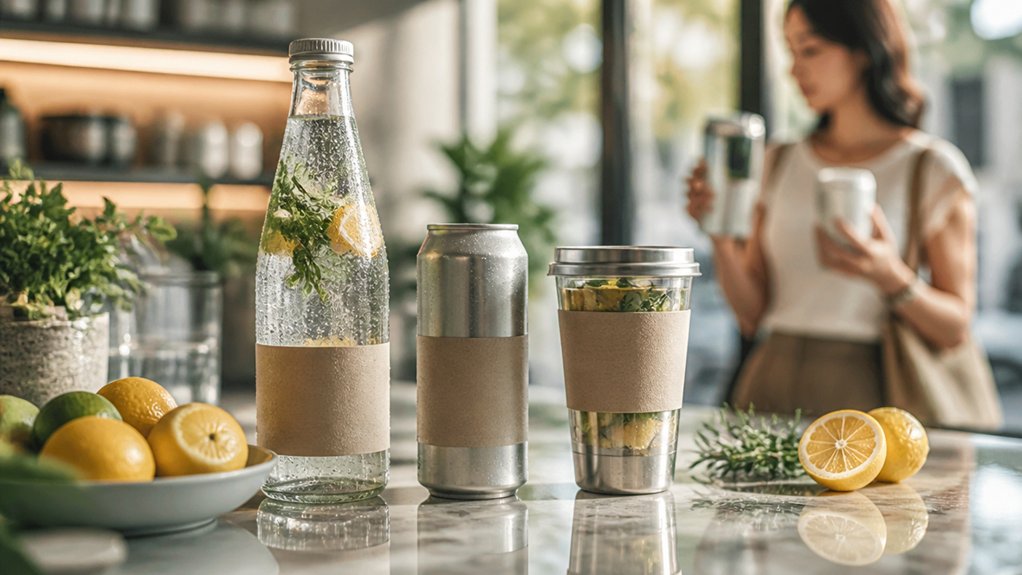
When you reach for a drink, its package can influence your choice as much as its flavor. You’re increasingly weighing what happens after the last sip, so brands are rethinking materials, formats, and disposal cues.
Recyclable packaging helps you choose products that fit local recycling systems, while clear labels make the next step easier. Lightweight cans, recycled-content bottles, and refillable options can reduce material use and transport emissions when companies design them thoughtfully.
You’ll also see eco-friendly containers made from plant-based or compostable materials, though their benefits depend on proper disposal and available facilities.
These shifts turn packaging into a visible signal of a brand’s environmental priorities. As expectations rise, you’re more likely to favor beverages that pair convenience with credible, practical sustainability—not just green claims on the label.
How Is Customization Changing Beverage Products?
Beyond sustainable packaging, personalization is shaping what goes into the drink itself. Today, you can offer shoppers more than a standard recipe: they want beverages that match their tastes, routines, and dietary preferences. Personalization options might include adjustable sweetness, caffeine levels, functional ingredients, or serving sizes, giving customers a meaningful role in choosing what they drink.
Flavor customization is also moving beyond limited seasonal launches. You can build product lines around mix-and-match profiles, regional ingredients, or unexpected pairings that invite exploration while keeping a recognizable brand identity. This flexibility helps you serve niche preferences without making every product feel one-off.
Clear choices matter: present combinations simply, maintain consistent quality, and explain ingredient benefits without overpromising. When you make customization intuitive, you can strengthen loyalty and turn each beverage into a more personal, memorable experience.
How Can Technology Help Manufacturers Develop Drinks?
Technology is helping beverage manufacturers turn promising ideas into market-ready drinks faster and with greater precision. Digital innovation gives you powerful tools to explore ingredients, balance flavors, and refine formulations before costly production trials. Artificial intelligence can analyze consumer preferences and identify emerging flavor combinations, while predictive modeling helps you assess sweetness, texture, and shelf life.
Automated laboratory systems let your team test more variations with consistent results, shortening development cycles without sacrificing quality.
Connected platforms also improve visibility across your supply chain. You can track ingredient availability, monitor supplier data, and spot potential disruptions earlier, informing formulation decisions from the outset.
Real-time production insights help you understand how ingredients behave at scale and where processes need adjustment. By combining data, automation, and expert judgment, you can develop drinks with greater confidence, agility, and precision.
How Can Manufacturers Turn Trends Into Products?
Turning a beverage trend into a successful product takes more than spotting what’s popular; manufacturers need to validate demand, define a clear product concept, and make sure it can be produced consistently.
Start by researching who wants the drink, what need it meets, and whether customers will pay for it. Use tastings, surveys, and small-scale launches to test flavor, format, and price before committing to full production.
Then translate the strongest insights into a distinctive recipe and a clear proposition, such as functional benefits, low sugar, or sustainable sourcing.
Work with suppliers and production teams early to check ingredient availability, shelf life, labeling, and scale-up requirements.
Use innovative packaging to reinforce the product’s benefits and stand out on shelves.
Ongoing consumer engagement through feedback and sales data helps you refine the offer, respond to shifting preferences, and build lasting demand.
About the Author