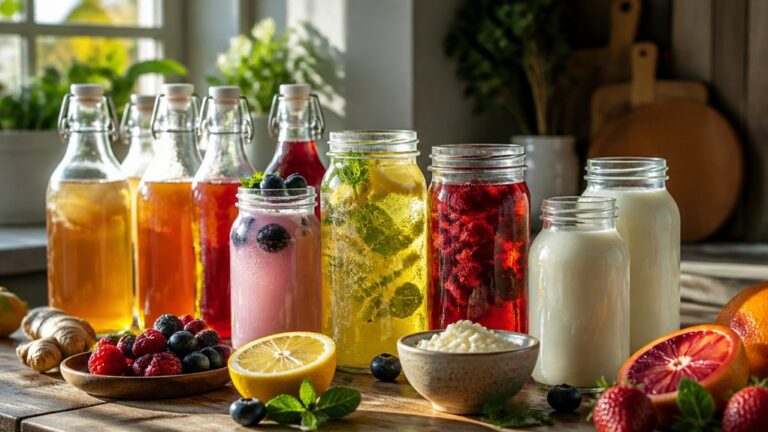
As you look for energy drinks without artificial ingredients, you’ll find products built around plant-derived caffeine from coffee, tea, or guarana, alongside natural flavors and sometimes added vitamins or electrolytes. But “natural” isn’t a standardized guarantee of lower sugar, less caffeine, or better health effects. You’ll need to check each label closely—and the differences between natural and synthetic caffeine may be less straightforward than the packaging suggests.
What Counts as a Natural Energy Drink?
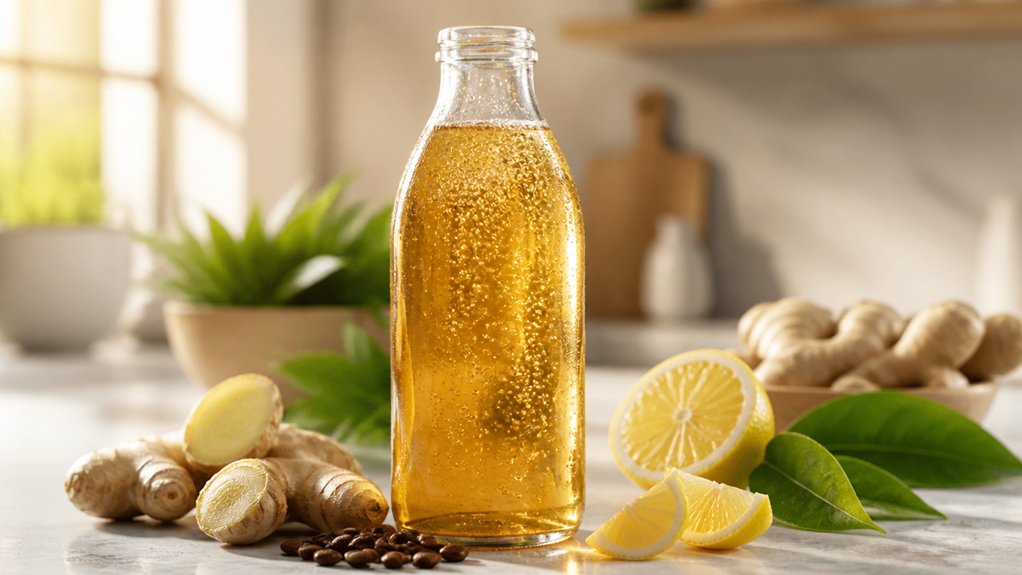
A natural energy drink gets its stimulating effect from ingredients such as caffeine from coffee, tea, or guarana, rather than relying solely on synthetic caffeine. To assess whether a product fits this description, check its ingredient list and how it defines “natural.” The term doesn’t guarantee that every component is unprocessed, organic, or free of additives; standards vary by jurisdiction and manufacturer.
Look for clear sourcing, specific ingredient names, and transparent nutrition information. You can also compare sweeteners, preservatives, colors, and flavoring agents, since products differ in how they handle these additions.
Flavor variations may come from fruit extracts, juices, or other flavorings, so review labels rather than assuming a flavor is wholly fruit-derived. Packaging options, such as cans or bottles, affect convenience and recyclability, not whether the drink is natural.
Which Ingredients Power Natural Energy Drinks?
Once you’ve checked what a product calls “natural,” its energy usually comes from caffeine-rich sources such as coffee beans, tea leaves, yerba mate, or guarana. These botanicals supply caffeine, while their extracts can also contribute characteristic aromas and polyphenols. You may see green tea extract paired with fruit juice, or guarana combined with citrus; check the ingredient list for amounts and added sugars.
Some formulas add B vitamins, which support normal energy metabolism but don’t provide caffeine or act as stimulants. Electrolytes such as sodium and potassium can replace minerals lost in sweat, while ginger or ginseng may add flavor and botanical compounds.
Flavor combinations can balance bitter extracts with tart fruit. Packaging innovations, including opaque cans, may help protect light-sensitive ingredients. Compare serving sizes and ingredient quantities before choosing a drink.
Is Natural Caffeine Different From Synthetic Caffeine?
Natural caffeine and synthetic caffeine are chemically identical: both are caffeine molecules, and your body processes them the same way. The source doesn’t change caffeine’s molecular structure or its effects at a given dose.
You’ll find natural caffeine in ingredients such as coffee beans, tea leaves, and guarana. Manufacturers obtain it through caffeine extraction, separating caffeine from plant material before adding it to a drink.
Synthetic caffeine is produced through chemical synthesis and can also be added as a purified ingredient.
In either case, the label’s caffeine amount—not whether it’s plant-derived or lab-made—determines your intake.
Both forms can increase alertness and cause effects such as jitters or sleep disruption, depending on dose and sensitivity.
“Natural” describes the source; it doesn’t make caffeine a different or risk-free artificial stimulant.
Why Choose a Natural Energy Drink?
When you choose a natural energy drink, you can check whether its caffeine and other ingredients come from clearly identified sources.
Pairing caffeine with measured amounts of carbohydrates or other ingredients may support energy, though effects vary by formulation and person.
Some drinks also provide nutrients such as B vitamins, but check the label to see which nutrients—and how much—you’ll get.
Clean Ingredient Sources
Because ingredient quality affects both formulation and transparency, natural energy drinks often use recognizable sources such as green tea for caffeine, fruit for flavor, and plant extracts for specific compounds.
When you read a label, check whether it identifies each source and lists added sugars, sweeteners, and flavorings clearly. Juice, citrus oils, and botanical extracts can contribute aroma and taste, while acids such as citric acid help control tartness and pH.
Flavor combinations may pair berry with hibiscus or citrus with ginger, but the ingredient list reveals whether a drink relies on concentrates or added flavors. You can also compare caffeine amounts and verify that extracts are named rather than grouped under vague terms.
Packaging sustainability matters too: recyclable materials may reduce waste, depending on local collection systems and processing.
Steady Energy Support
A natural energy drink may support steadier alertness when its caffeine dose is moderate and clearly stated. You can compare the amount per serving with your personal tolerance and account for caffeine from coffee, tea, or other sources.
Ingredients such as tea or coffee extracts provide caffeine, but their effects still depend on dose, timing, and individual sensitivity; “natural” doesn’t guarantee a smoother response or prevent a later dip.
Alternative sourcing can give you options beyond conventional caffeine ingredients, while flavor diversity may make unsweetened or lightly sweetened formulations easier to choose.
Check labels for caffeine quantity and serving size, since concentrated extracts can vary.
If you’re sensitive to caffeine, pregnant, or taking medication, seek appropriate guidance before use.
A drink’s ingredient origin matters, but measured intake matters more for predictable alertness.
Added Nutritional Benefits
Beyond caffeine, some natural energy drinks provide nutrients such as B vitamins or electrolytes, but their presence doesn’t guarantee a meaningful benefit. B vitamins help your body convert food into energy, yet supplementation won’t reliably boost energy if you already meet your needs.
Electrolytes such as sodium and potassium support fluid balance; they matter most after sweating, not as a universal performance aid. Check amounts per serving, added sugars, and ingredient forms rather than relying on front-label claims.
Some products also include fruit extracts or botanicals, but evidence and effective doses vary. Flavor combinations can make nutrient-rich ingredients more appealing, though flavor doesn’t indicate nutritional value.
You can also compare packaging sustainability, but recyclable materials don’t change a drink’s effects. Choose products that match your needs, with transparent labels and credible serving information.
Do Natural Energy Drinks Offer Health Benefits?
Natural energy drinks may support alertness or provide nutrients, but their benefits depend on their ingredients and amounts—not the “natural” label.
Caffeine from tea, coffee, or guarana can temporarily improve alertness, yet it may also disrupt sleep or cause jitters, especially at higher doses.
Sugars can supply quick energy, but they don’t offer a sustained boost and may increase total calorie intake.
Some drinks contain electrolytes or plant compounds, though their presence doesn’t prove meaningful health effects.
You’ll get more from a drink when its ingredients match your needs, such as replacing fluid after exercise rather than seeking a general wellness effect.
Flavor diversity and marketing strategies can make products appealing, but neither demonstrates efficacy.
Treat these beverages as optional sources of caffeine or nutrients, not as substitutes for sleep, hydration, or balanced meals.
What to Check on Natural Energy Drink Labels
Since a drink’s effects depend on its ingredients and dose, check the label for caffeine per serving and per container, added sugars, and serving size. Caffeine amounts vary, and multiple servings can raise your total intake quickly.
Check the ingredient list for caffeine sources, such as green tea extract, guarana, or coffee, and note whether the label quantifies them.
Look for sugar alcohols, stevia, or other sweeteners if you’re monitoring sugar or digestive effects.
Verify botanical names and amounts when listed; vague “energy blends” make doses harder to assess.
Check sodium, vitamins, and other active ingredients, especially if you take medication or have health conditions.
Review allergen statements and expiration dates.
Flavor variety may help you find a preferred option, while brand reputation and transparent labeling can guide your choice.
How Do Natural and Conventional Energy Drinks Compare?
Although both types can deliver caffeine, “natural” describes a product’s marketing or ingredient sourcing—not its safety or effectiveness. Conventional drinks may use synthetic caffeine, artificial colors, or preservatives; natural versions often use caffeine from coffee beans, tea, or guarana and color from fruit or vegetable extracts.
Yet the caffeine molecule has the same structure regardless of source, so its stimulant effects depend more on dose and individual response than on whether it’s labeled natural. Check total caffeine, added sugar, and serving size when comparing products; botanical extracts can also contribute caffeine.
Flavor variety differs: conventional brands often offer bright, candy-like profiles, while natural products may emphasize fruit, tea, or herbal notes.
Marketing strategies can highlight clean-label claims, but terms such as “natural” aren’t standardized guarantees of lower sugar, fewer additives, or improved health effects.
How to Choose a Natural Energy Drink for Your Needs?
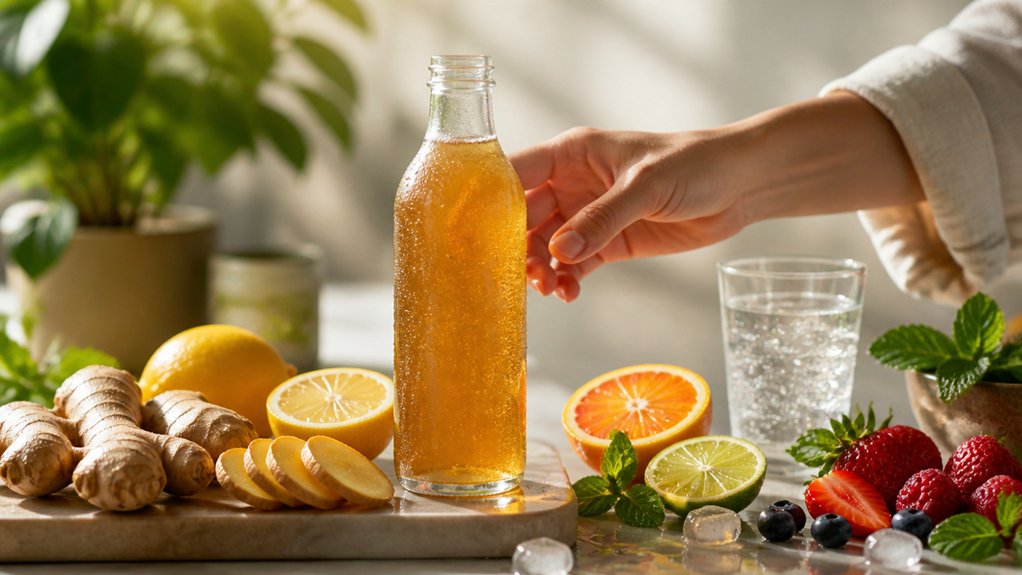
Check whether your drink’s caffeine comes from sources such as coffee, tea, or guarana, and note the total dose per serving.
Review the label for added sugars, herbal extracts, and other active ingredients, since amounts and effects can vary.
Match the caffeine dose and formulation to your needs, accounting for your sensitivity and daily caffeine intake.
Check the Caffeine Source
When comparing natural energy drinks, identify where their caffeine comes from, because the source can affect how clearly the dose is disclosed—not whether caffeine is inherently safer. You may see caffeine from coffee beans, tea leaves, guarana, or yerba mate. These natural stimulant sources contain caffeine, though their extracts can also contribute other plant compounds and characteristic flavors.
The total caffeine dose—not its botanical origin—largely determines its stimulant effect and potential to disrupt sleep or cause jitters.
Caffeine extraction methods vary: manufacturers may isolate caffeine from plant material or use concentrated extracts that retain additional compounds. Don’t assume “natural” means gentler, slower-acting, or lower in caffeine; evidence doesn’t establish those claims from source alone.
Consider your sensitivity, timing, and desired intake when comparing options. If you need predictable effects, favor products that state a specific caffeine amount per serving.
Review Ingredient Labels
After confirming the caffeine dose, review the full ingredient list to see what else each serving contains. Check whether the drink uses added sugars, nonnutritive sweeteners, or sugar alcohols; each affects sweetness and can influence your intake. Look for named plant extracts and verify their amounts, since a proprietary blend may hide individual doses. Also scan for vitamins, electrolytes, preservatives, and allergens, noting that “natural” doesn’t guarantee safety or a meaningful benefit.
Compare the ingredient list with the nutrition facts panel, which reports total and added sugars per serving.
Flavor combinations can signal ingredients such as fruit juice, herbs, or acids, but taste descriptions don’t confirm their presence. Marketing strategies may emphasize “clean” or “plant-based” claims; treat these as prompts to inspect the label, not evidence of quality. Choose a formula whose ingredients you recognize and tolerate.
Match Your Energy Needs
How much energy you need depends on your caffeine tolerance, activity, and the time of day. Check the caffeine amount per serving, including sources such as green tea or guarana, and count any coffee or tea you’ve already consumed.
If you’re sensitive to caffeine or drinking late, choose a low-caffeine or caffeine-free option; caffeine can disrupt sleep, especially when consumed near bedtime.
For longer exercise, consider drinks with carbohydrates and electrolytes, which support fluid and fuel replacement. For routine tasks, water may suffice.
Compare sugar content and serving size, since concentrated cans can deliver more caffeine and sugar than expected. Look for transparent ingredient quantities rather than relying on branding strategies or vague “natural energy” claims.
Flavor customization can make a drink more appealing, but choose ingredients and sweetness levels that fit your needs.
About the Author