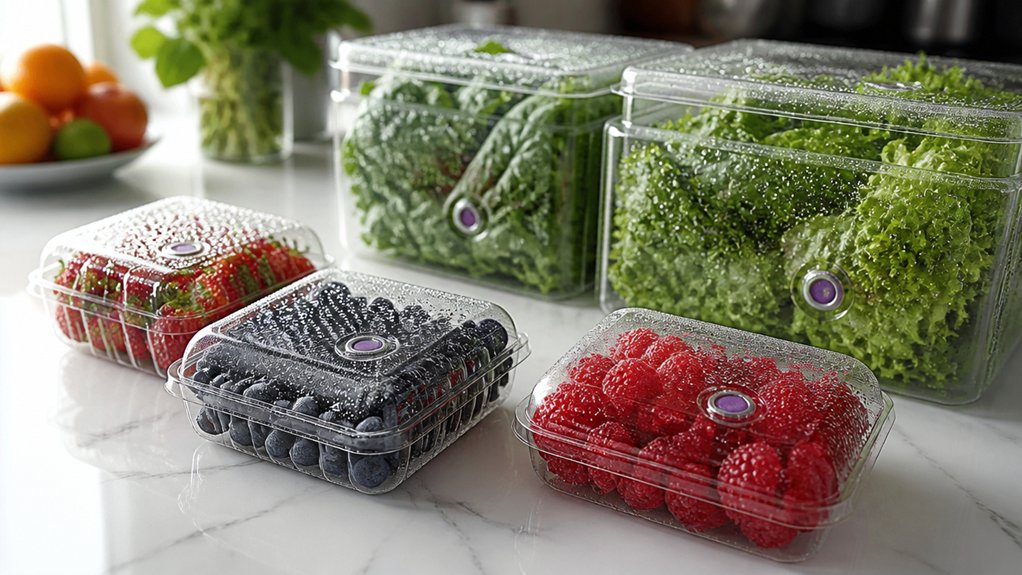
You may not know that some food packages can detect spoilage before you can see or smell it. Smart packaging uses sensors, indicators, and active materials to help you spot safety risks, preserve freshness, and track handling conditions. These tools can reduce waste, but their benefits depend on how reliably they work across different foods and supply chains—and how easily producers can scale them.
What Is Smart Food Packaging?
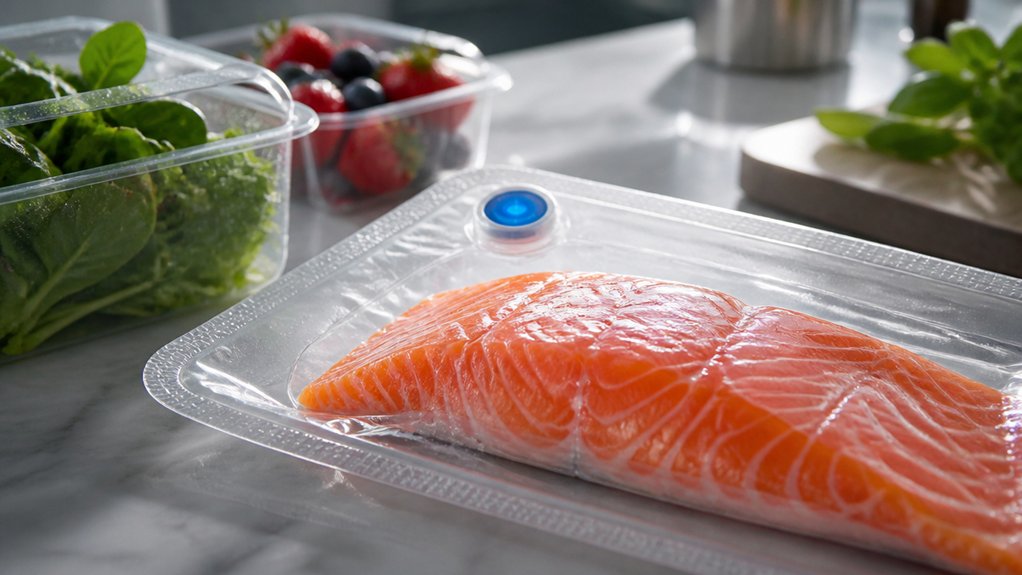
Smart food packaging uses technologies such as sensors, indicators, and data tags to monitor a food product or communicate information about it. When you encounter these features, you’re seeing packaging designed to do more than contain and protect food.
It can display a visible response to changing conditions, provide product details through a scannable code, or connect packaging to digital information. Innovative materials may support these functions while maintaining the package’s intended performance.
For example, a label might change color in response to a condition, while a data tag can link you to sourcing or handling information. These tools can make product information easier to access and support consumer engagement at the point of purchase.
Smart packaging varies by design, so you should follow the product’s instructions and interpret its indicators as directed.
How Smart Packaging Improves Food Safety
By tracking conditions that can affect food quality, smart packaging can help you spot potential safety concerns sooner. Time-temperature indicators reveal whether a product has experienced conditions that may encourage pathogen growth, while freshness sensors can flag chemical changes linked to contamination. You can use these signals alongside printed dates, not as a replacement for safe handling or official guidance.
Nanotechnology innovations are enabling more sensitive sensors that detect specific gases, compounds, or microbial markers, helping manufacturers monitor products throughout distribution.
Some connected labels also share traceability data, so you can check a product’s journey and identify recalls more quickly.
Clear indicators strengthen Consumer awareness by making hidden risks easier to understand at a glance. When you follow label instructions and report unusual readings, you help support safer choices and more responsive food-safety systems.
How Active Packaging Slows Food Spoilage
Active packaging helps you slow spoilage by managing conditions inside the package. Oxygen absorbers limit oxidation, while antimicrobial components can inhibit harmful microbes.
These technologies can extend freshness, but you should still follow storage and handling guidance.
Oxygen Absorption
How can packaging slow spoilage after food is sealed? Oxygen absorbers capture residual oxygen inside a package, limiting oxidation that can degrade fats, fade colors, and reduce flavor. When you choose oxygen-scavenging films or sachets suited to a product, you can help preserve quality throughout storage and transport.
These innovative materials use compounds that react with oxygen, often activated by moisture or light. Their performance depends on package seal integrity, food type, temperature, and the absorber’s capacity, so manufacturers must validate each design under realistic conditions.
You shouldn’t treat oxygen removal as a substitute for refrigeration, hygienic handling, or clear use-by guidance; it complements those safeguards. Smart labels can support consumer engagement by showing whether package conditions remain within expected limits.
Together, validated absorbers and reliable seals can extend shelf life while helping you make safer, more informed choices.
Antimicrobial Protection
Antimicrobial packaging can slow spoilage by inhibiting microbes that cause food to deteriorate. You can find this protection in antimicrobial coatings, films, and inserts designed to release active agents gradually or bind them to a package surface.
These agents may include approved organic acids, enzymes, or other compounds that disrupt microbial growth. By placing protection near the food, active packaging can support microbial inhibition where contamination is most likely, helping preserve quality and extend shelf life.
You should still handle and store food safely: packaging doesn’t replace refrigeration, sanitation, or use-by guidance.
Manufacturers must validate each system for the specific food, confirm that substances migrate only within permitted limits, and assess performance throughout storage.
Clear labeling and reliable testing help you understand the protection offered and make informed choices without treating antimicrobial packaging as a guarantee against spoilage or foodborne illness.
How Smart Packaging Sensors Track Freshness

Smart packaging sensors track freshness by detecting changes in a product’s surroundings, such as temperature, humidity, gas levels, or acidity. Innovative sensors can monitor oxygen, carbon dioxide, moisture, or compounds released as food spoils. You can use these signals to assess quality without opening the package, helping preserve product integrity and reduce unnecessary waste.
Some sensors change color, while others transmit readings to a label, reader, or connected system. Data analytics can interpret patterns against product-specific thresholds, giving you clearer insight into freshness and potential safety concerns.
Choose sensor designs suited to the food, packaging materials, and storage conditions; a signal’s meaning depends on that context. These tools support informed handling and inventory decisions, but they don’t replace proper hygiene, validated safety controls, or careful inspection.
How Time-Temperature Indicators Flag Breaks
Time-temperature indicators reveal when a product has experienced conditions that may shorten its usable life. These labels respond to cumulative heat exposure, giving you a visible record of temperature abuse during storage or transport. Some change color gradually; others display a threshold signal when a defined limit is crossed.
Their response reflects both temperature and time, helping you judge whether handling stayed within validated limits.
Time temperature indicators don’t measure microbes or prove that food is safe, so use them alongside proper refrigeration, date guidance, and established safety procedures. A triggered indicator signals that you should follow the product’s instructions or seek advice rather than rely on appearance or smell.
How Food Freshness Sensors Detect Spoilage
As food spoils, it releases gases and other chemical compounds that freshness sensors can detect. Inside smart packaging, responsive materials react to specific spoilage indicators, such as ammonia, sulfur compounds, or changing acidity. Their color, electrical signal, or fluorescence shifts as these substances accumulate, giving you a visible or machine-readable freshness cue.
Some sensors target gases produced by microbes; others detect volatile compounds linked to oxidation or ripening. Sensor accuracy depends on choosing the right target, calibrating the response, and accounting for temperature, humidity, and food type.
Manufacturers can pair sensors with protective packaging to monitor conditions without opening the seal.
You should treat a sensor alert as a prompt to check handling guidance, not as proof that food is safe. These tools add timely evidence, helping you make more informed decisions and reduce unnecessary waste.
How QR Codes Improve Food Traceability
Scan a package’s QR code to trace its product origin, from farm or facility to store. You can follow supply-chain updates that reveal where handling or transit may affect food safety.
If a hazard emerges, linked records can help teams identify affected products and respond to recalls faster.
Product Origin Tracking
Where did your food come from, and how did it reach your table? A QR code on a package can connect you to verified details about a product’s origin, such as its farm, harvest date, or place of processing. Scan it with your phone to access records that help you assess freshness and make informed choices.
For producers, linking a unique code to reliable origin data supports Product authentication and can help identify mislabeled goods or respond more precisely to safety concerns. Clear, accessible information also strengthens consumer engagement by letting you explore how a product was grown or made.
These tools work best when businesses protect data integrity and update records consistently. QR codes don’t guarantee food safety, but they can make origin claims easier to check and help you choose products with greater confidence.
Supply Chain Visibility
When food moves from farm to store, QR codes can help you follow its path through the supply chain. Scan a package to view verified records of handling, storage conditions, and transfers between suppliers, processors, and retailers. These time-stamped updates give you a clearer picture of where products have traveled and how they were managed.
For businesses, linking QR codes to digital tracking systems strengthens Supply chain transparency and helps teams spot gaps in routine handling data. Packaging automation can apply unique codes consistently, connecting each package or batch to relevant records while reducing manual entry errors.
You can use this information to assess freshness, confirm that products followed required processes, and make informed purchasing choices. When partners maintain accurate records, shared visibility supports safer food handling and more accountable distribution without adding complexity for consumers.
Faster Recall Response
Traceable QR codes can help food companies respond to recalls faster by linking products to batch records and distribution data. When you scan a code, you can access details such as lot number, production date, facility, and shipping route. This precise identification helps companies isolate affected products instead of removing entire product lines, reducing waste while protecting public health.
Connected traceability systems let you share recall alerts quickly with retailers and consumers. You can check whether a product is affected and follow clear instructions, supporting informed action. Consumer engagement matters: accessible, current information can build trust during a food safety incident.
Companies can pair QR codes with sensor data and innovative materials that preserve code readability through storage and handling. Accurate records and reliable scanning still matter; test codes across packaging conditions and keep data updated. These safeguards make recall decisions faster and more targeted.
Which Foods Benefit Most From Smart Packaging?
Perishable foods benefit most from smart packaging because freshness indicators and time–temperature sensors can reveal spoilage risks that ordinary labels miss. You’ll see particular value with seafood, meat, dairy, and ready-to-eat meals, where microbial growth can accelerate quickly and safe-use windows depend on handling conditions.
Sensors can track temperature exposure, while color-changing indicators help you judge freshness more accurately than a printed date alone. Fresh produce also gains from packaging that monitors gases linked to ripening, helping you manage quality and reduce premature disposal.
For high-risk foods, these tools support safer storage decisions and more targeted quality checks across distribution. Some packages can also provide Nutritional labeling and digital updates, strengthening Consumer engagement.
When you choose products with clear, reliable indicators, you can make informed decisions without treating sensors as a substitute for proper refrigeration or food-safety guidance.
How Smart Packaging Balances Protection and Recycling
You need packaging that limits oxygen, moisture, and contamination to keep food safe and fresh.
Smart sensors can help you monitor conditions without compromising the barrier performance your product requires.
Protecting Food Effectively
How can packaging keep food safe without creating unnecessary waste? You need protection tailored to the food, not excess material. Innovative materials can block oxygen, moisture, and light, slowing oxidation, microbial growth, and quality loss. Active packaging may absorb oxygen or release approved antimicrobial agents, while time-temperature indicators help you spot unsafe handling before you open a product.
These technologies support safety, but they must meet food-contact regulations and perform reliably throughout storage and transport.
Your choices also shape outcomes. Clear labels and consumer engagement can explain freshness indicators, storage instructions, and proper disposal, helping you use food safely and avoid needless discarding.
Manufacturers can assess packaging’s full life cycle and select only the barriers and features each product requires. That balance protects food while limiting material use and waste.
Designing for Recycling
Smart packaging works best when its protective features don’t prevent recycling. You can preserve food safety and support recovery by choosing structures that sort and process efficiently. Use mono-material films, recyclable trays, or compatible coatings where they provide enough barriers against oxygen, moisture, and light.
When products need stronger protection, design layers that separate cleanly rather than combining inseparable materials.
Smart sensors and indicators can add value, but you should keep them small, removable, or compatible with recycling streams. Clear labeling helps consumers identify disposal routes, while standardized components reduce sorting errors. These choices address recycling challenges without sacrificing freshness or traceability.
Evaluate eco-friendly materials through life-cycle data and test packaging under real storage conditions. By balancing barrier performance, material recovery, and safe food handling, you can make innovation practical for both consumers and recycling systems.
What Does Smart Packaging Cost to Scale?
Scaling smart packaging costs more than adding a sensor or QR code: you’ll also need compatible production equipment, data systems, testing, and staff training. Your cost analysis should include unit prices, integration, maintenance, data security, and validation under real storage conditions.
Sensors may require calibration, while connected labels need reliable connectivity and software support. You’ll also need to verify that materials meet food-contact requirements and that monitoring doesn’t compromise package integrity.
Start with a limited pilot to measure accuracy, workflow effects, and waste reduction before committing to high-volume lines. Compare those results with the cost of recalls, spoilage, and rejected shipments.
As suppliers standardize components and production scales, per-unit costs can fall. Clear evidence of safety and shelf-life benefits can support market adoption, helping you invest where the technology delivers measurable value.
About the Author