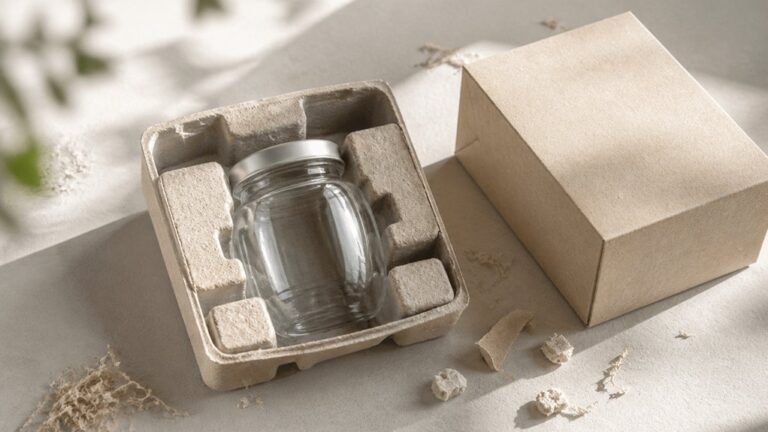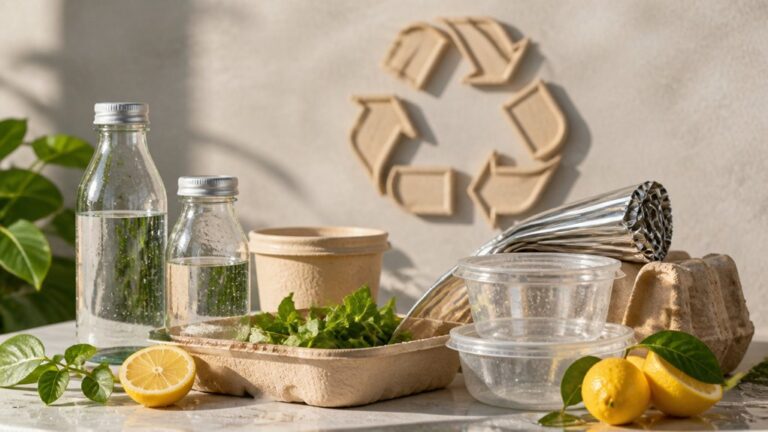
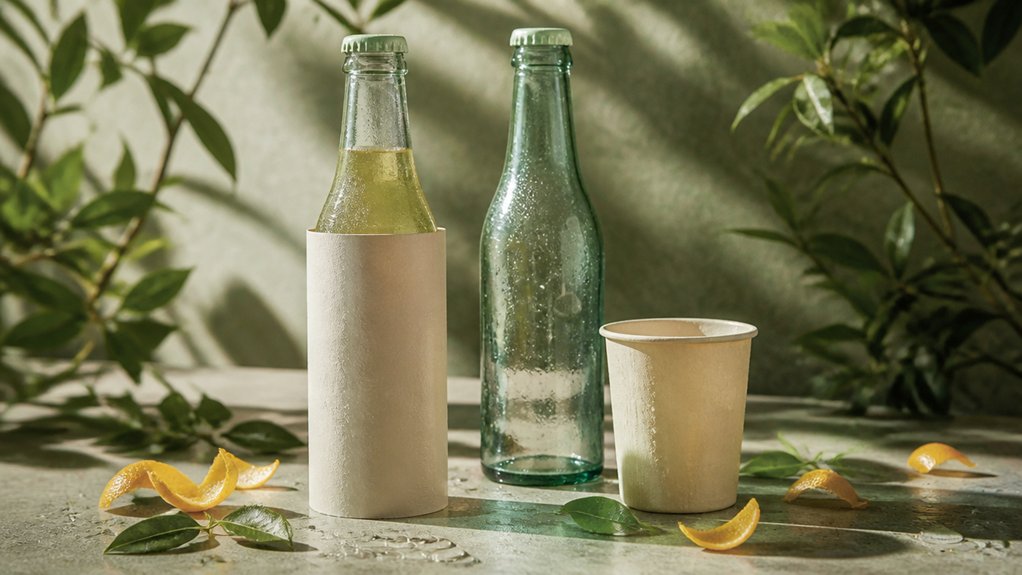
When you buy a drink in a lightweight bottle made with recycled plastic, you’re seeing one way brands can reduce demand for virgin materials. Packaging choices also respond to regulations, retailer requirements, and pressure to cut waste and emissions. Yet recyclability depends on more than the material: design, collection systems, and consumer disposal all matter. So which solutions deliver measurable benefits without making packaging harder to use?
Why Are Beverage Brands Rethinking Packaging?
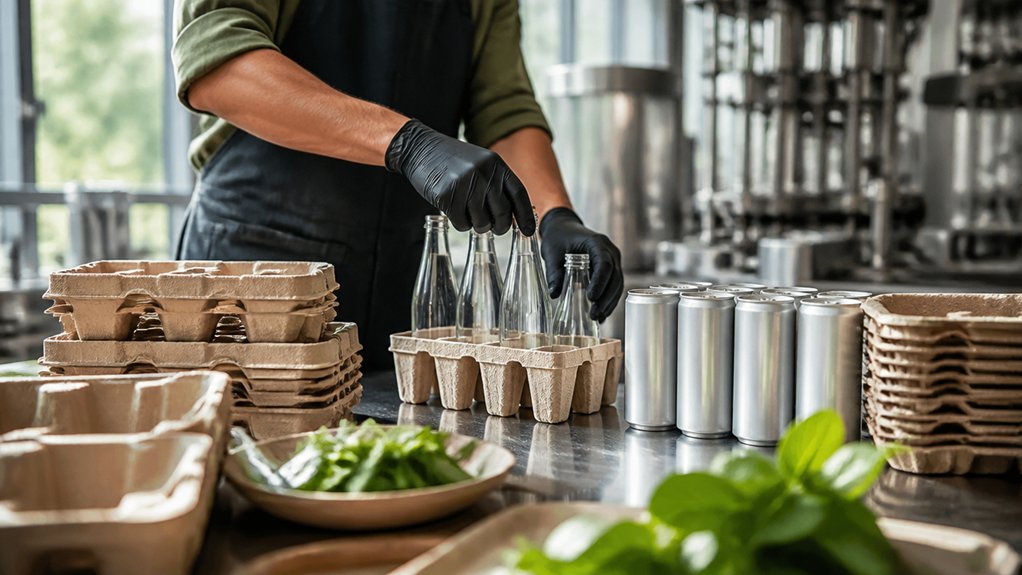
As regulations tighten and consumers scrutinize waste, beverage brands are rethinking packaging to reduce environmental impacts and protect market access. You can see this shift as producers respond to extended producer responsibility rules, packaging taxes, and restrictions on single-use materials.
These policies raise the cost of packaging choices that generate difficult-to-manage waste, while retailer standards can further shape access to shelves.
Consumer awareness also influences purchasing: people increasingly expect brands to explain environmental claims and demonstrate credible progress. Unsupported claims can trigger reputational damage and regulatory scrutiny, so companies need measurable data and transparent communication.
Innovative branding helps you connect packaging decisions with a clear, verifiable sustainability strategy, rather than relying on vague green messaging.
At the same time, supply-chain disruptions and material-price volatility encourage brands to reassess packaging risks and plan for changing requirements.
What Makes Beverage Packaging More Sustainable?
You can assess packaging sustainability by checking whether its materials come from renewable sources and reduce reliance on virgin fossil resources.
You’ll also want formats that support recycling or reuse within established collection systems.
Lightweight designs and fewer components can cut material use and packaging waste.
Renewable Materials
Renewable packaging materials come from replenishable sources, such as responsibly managed forests, agricultural residues, and plant-based feedstocks, rather than relying solely on finite fossil resources. When you evaluate these inputs, consider land use, water demand, agricultural practices, and sourcing transparency; renewable origin alone doesn’t guarantee lower environmental impact.
Paperboard, molded fiber, and biobased polymers can reduce reliance on fossil carbon, but their performance depends on material composition and production energy. You’ll also need to assess barrier properties: oxygen, moisture, and light protection help preserve beverage quality and limit product loss.
Confirm the package maintains Beverage flavor without adding unwanted odors or migrating compounds. Packaging branding can communicate verified sourcing and material content, helping you make informed choices.
Compare lifecycle evidence across options, including feedstock cultivation, processing, and transport, before selecting a format.
Recyclability and Reuse
A beverage package is more sustainable when local systems can collect, sort, and process it into useful material—or when a refill system can safely return it for repeated use. You can assess recyclability by checking whether its material, color, closures, and labels match local sorting and processing capabilities. Innovative labeling can make disposal instructions clearer and help you separate components correctly.
Biodegradable inks may reduce contaminants during recycling, but their compatibility with specific processes needs verification; the term alone doesn’t guarantee environmental benefit. For reuse, you should consider package durability, return logistics, washing requirements, and the number of successful refill cycles.
Life-cycle assessments can compare these factors with single-use alternatives, including transport and cleaning impacts. Choose designs that preserve material quality, support established collection systems, and enable safe, practical reuse in your market.
Reduced Packaging Waste
Recyclability and reuse address what happens to packaging after use; reducing packaging waste starts with preventing excess material at the design stage. You can assess each component’s function, then remove unnecessary layers, oversized labels, and secondary packaging without compromising product protection or shelf life.
Lightweighting bottles and cans can reduce material demand and transport emissions, but you should verify performance through life-cycle assessment; thinner packaging that increases breakage may shift impacts elsewhere.
Choose concentrated products, compact formats, or refill systems where distribution and consumer habits support them. Innovative branding can make minimal packaging distinctive through clear typography and restrained graphics, rather than added sleeves or decorative materials.
Consumer education helps you explain proper dispensing, storage, and refilling, reducing product loss as well as packaging use. Track material intensity, damage rates, and waste per serving to confirm that design changes deliver measurable reductions.
How Do Recycled Materials Reduce Packaging Waste?
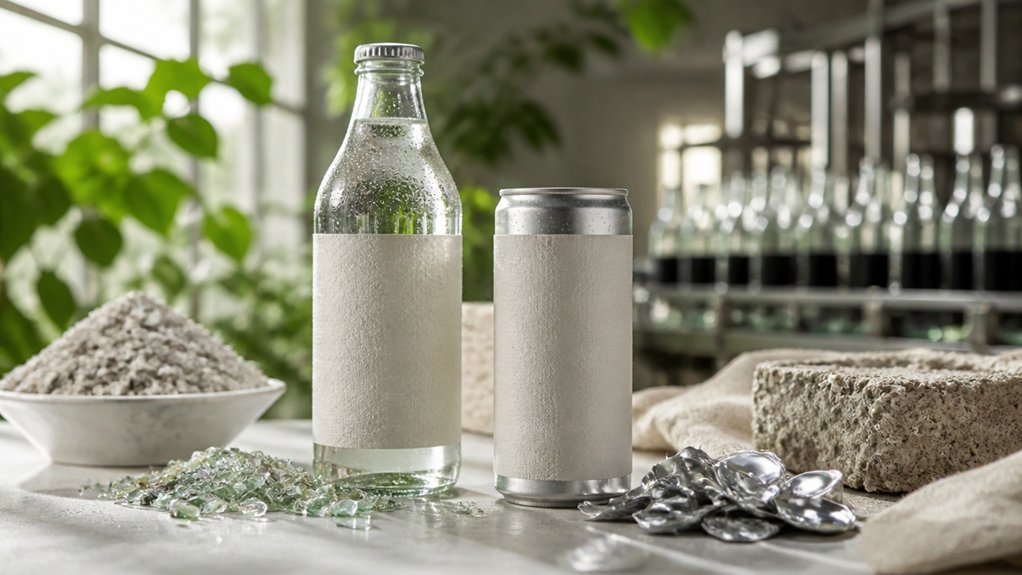
By turning used bottles and containers into new packaging, recycled materials reduce demand for virgin resources and keep waste out of landfills and incinerators. When you choose beverages in recycled-content packaging, you support material recovery and reduce the need to extract and process new plastic, glass, or aluminum.
These steps can lower life-cycle emissions, though results depend on material type, energy sources, and local recycling systems. Recycled packaging also helps limit litter that can reach waterways, contributing to Ocean pollution and threatening Wildlife conservation.
Check labels for recycled-content claims, and sort containers according to your local program’s rules; contamination can make otherwise recoverable materials unusable.
Brands can improve outcomes by designing packages that recycling facilities can process and by reporting verified recycled-content data. Strong collection and processing infrastructure helps turn discarded packaging into a usable resource.
Where Do Refillable Beverage Bottles Fit?
Refillable beverage bottles extend material use beyond a single trip through the recycling system: brands collect, wash, and refill them for repeated use. You’ll see the greatest environmental benefit when bottles complete enough return cycles to offset the added washing, transport, and reverse-logistics impacts.
Deposit systems, convenient return points, and standardized bottle formats can help keep containers circulating and reduce losses. Brands must also validate cleaning processes, inspect bottles for damage, and track return rates to protect product safety and measure performance.
For you, durable designs can support repeated handling without compromising usability. Packaging aesthetics still matter: recognizable shapes and clear labeling can make returns easier, while flavor innovation can encourage repeat purchases.
Compare refill programs by verified reuse cycles, recovery rates, and lifecycle assessments—not by refillability claims alone.
Can Plant-Based Packaging Replace Plastic?
Although plant-based packaging can reduce reliance on fossil-based feedstocks, it can’t replace plastic in every beverage application. You can choose bottles made from bio-based polymers, such as plant-derived polyethylene, which performs like conventional plastic but isn’t necessarily biodegradable.
Other materials, including polylactic acid, may suit specific products, yet heat sensitivity and limited recycling access can constrain use. Plant-based innovations work best when you match material properties to beverage acidity, carbonation, shelf life, and filling temperatures.
Check whether local facilities can sort and process the package; compostable claims don’t guarantee access to industrial composting. Eco-friendly certifications can help you assess sourcing and verified environmental claims, but review their criteria carefully.
You’ll also need life-cycle evidence to compare feedstocks, manufacturing impacts, and end-of-life outcomes before replacing established packaging.
How Do Lightweight Cans and Bottles Cut Emissions?
Beyond material choice, reducing package weight can lower emissions across a beverage’s supply chain. When you choose Lightweight cans or thinner-walled bottles, each unit requires less material, reducing demand for metal, glass, or plastic and the energy needed to produce packaging.
Lighter loads also let trucks carry more beverages per trip or use less fuel for the same shipment, cutting transport emissions. These gains depend on package design, production methods, and distribution distance, so you should assess the full life cycle rather than assume weight alone determines impact.
Lightweight containers must still protect product quality and withstand filling, handling, and storage. For measurable Emission reduction, track material use and fuel consumption, then compare results against a defined baseline.
Efficient design can lower impacts without compromising performance.
How Are Beverage Cartons Recycled: and Where?
When beverage cartons enter a recycling program, specialized mills separate their paper fibers from plastic and, in some formats, aluminum layers. At a hydrapulper, water and agitation release the fibers into a slurry. Screens remove larger contaminants; mills then clean and press the recovered pulp for paper products.
The remaining polymer-and-aluminum fraction may become composite panels, roofing materials, or fuel, depending on local markets and processing capacity.
You’ll find carton recycling at facilities equipped to handle multilayer packaging, not every paper mill. Some municipalities collect cartons curbside; others use drop-off sites or don’t accept them. Check your local program’s guidance, empty cartons, and keep them out of recycling if excluded.
Beverage flavoring doesn’t change this process, but residues can contaminate loads. Packaging design affects material recovery, while collection access and end markets determine whether recovered materials find buyers.
How Do Brands Design Beverage Packs for Recycling?

To improve recyclability, choose materials that local facilities can sort and process at scale.
You’ll also make recovery easier when you simplify packs by reducing mixed materials, coatings, and hard-to-remove components.
These design choices can support higher-quality recycled feedstock and lower material losses.
Choose Recyclable Materials
How can beverage brands make packaging easier to recycle? You can start by choosing materials that local collection and sorting systems can identify and process. PET and aluminum have established recycling streams in many markets, but access and recovery rates vary by region. Check your target market’s infrastructure before selecting a format, and verify material claims against recognized standards.
When you evaluate options, consider recycled content, recyclability, and the package’s full life-cycle impacts. Food-contact rules may limit recycled resin use, so confirm regulatory requirements with suppliers. Flavor innovation and branding strategies don’t have to depend on hard-to-recycle substrates: you can use recyclable materials while protecting product quality and communicating clear disposal guidance.
Ask converters for material specifications and test packs under real-world conditions. This helps you make evidence-based choices that align packaging performance with available recycling pathways.
Simplify Pack Components
Even recyclable materials can be difficult to recover if a beverage pack combines components that sorting facilities can’t separate. You can improve recyclability by reducing material types and designing closures, labels, and sleeves for easy removal or compatibility with the container.
For example, use a cap made from a polymer accepted in the same recycling stream as the bottle, and avoid dark pigments that optical sorters may miss. Choose labels and adhesives that wash off during processing; incompatible layers can contaminate recovered material and lower its value.
Innovative design also means minimizing unnecessary parts without compromising product protection or safety. Clear disposal instructions support consumer awareness, helping you guide people to separate components when needed.
Check designs against local recycling infrastructure and validate them through sorting and reprocessing trials before scaling production.
How Do Sustainable Packs Affect Price and Ease?
Sustainable packaging can raise or lower a beverage’s total cost, depending on material prices, production changes, transport efficiency, and recovery systems. You may pay more upfront for recycled or bio-based inputs, while lightweight formats can reduce material use and freight emissions. Line modifications, testing, and supplier availability also affect unit costs.
Packaging innovation can improve filling speed or reduce breakage, but new formats may require equipment investment and staff training.
Ease depends on how well packs run through your operations and fit consumer routines. If a closure, label, or container complicates dispensing or sorting, you may face slower handling or lower recovery rates. Clear disposal instructions support correct collection.
Consumer perception can influence demand and willingness to accept changes, though claims should match verified material and recycling data. Track total cost, operational performance, and recovery outcomes together.
How Can You Choose Greener Beverage Packaging?
To assess material sustainability, compare each package’s life-cycle impacts, recycled content, and resource demands.
Check whether local facilities accept its material, since recyclability depends on collection and processing infrastructure.
You’ll also reduce waste when you choose durable packaging designed for reuse and supported by practical refill systems.
Assess Material Sustainability
Choosing greener beverage packaging requires evaluating a material’s full life cycle, not just whether it’s labeled recyclable or made from recycled content. Compare extraction, processing, transport, and end-of-life impacts using life-cycle assessment data, including greenhouse-gas emissions, water use, and energy demand.
A lightweight package may reduce transport emissions, but you should check whether its production requires energy-intensive inputs or creates pollution. Consider feedstock origin: responsibly sourced renewable materials can lower fossil-resource use, while land conversion, fertilizer, and water demands may offset benefits.
Recycled content can reduce demand for virgin resources, though its environmental advantage depends on collection and processing impacts. Innovative design may also reduce material use without compromising product protection.
Assess actual consumer behavior and local infrastructure when interpreting claims; don’t assume stated benefits reflect real-world outcomes. Compare like-for-like formats and suppliers’ verified data before deciding.
Consider Recyclability And Reuse
Even a recyclable package offers little benefit if local facilities can’t process it or consumers don’t sort it correctly. Check whether your target markets accept each material, color, closure, and label in curbside systems. Prefer mono-material designs and clearly marked components; incompatible coatings, sleeves, or pigments can disrupt sorting and lower recovered-material quality. Don’t assume a recycling symbol guarantees local acceptance.
You can also assess reuse where return logistics and washing systems are practical. Durable refillable bottles may reduce packaging impacts when customers reuse them enough times and transport distances stay controlled. Compare life-cycle data, including production, collection, cleaning, and breakage, rather than relying on a single claim.
Innovative branding can make return instructions visible, while consumer engagement can improve sorting and return rates. Track participation and recovery data, then adjust packaging to fit verified local infrastructure.
About the Author