
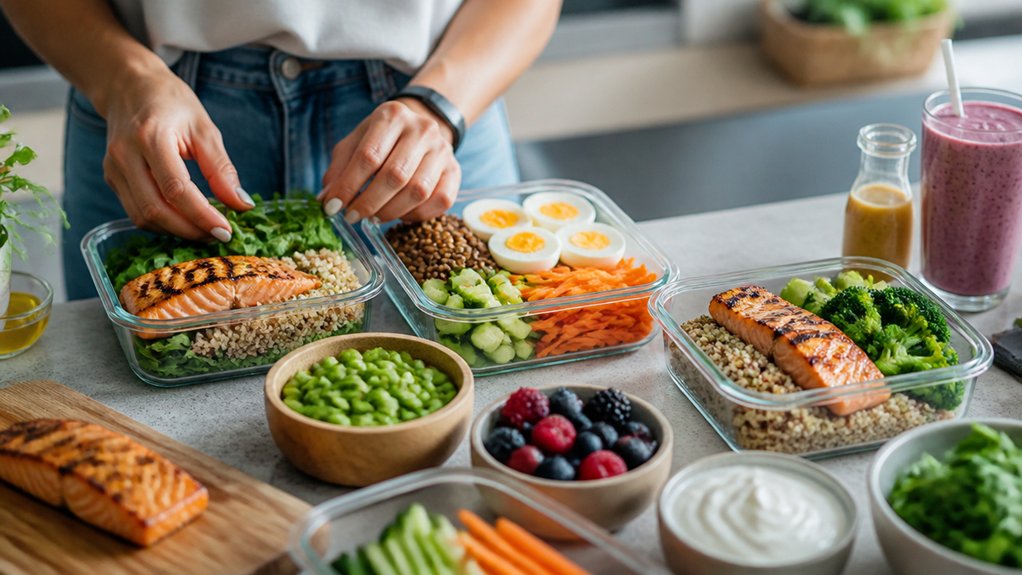
A protein bar, fortified yogurt, or nutrient enriched grain product can now deliver more than basic calories: it may also supply targeted nutrients in a convenient format. As you see these foods move from specialty aisles into everyday meals, the market reflects changing priorities around wellness, personalization, and transparent ingredients. But growth depends on more than adding protein or vitamins—the next challenge is making these products effective, appealing, and worth their price.
What Counts as a Nutrient-Enriched Food?
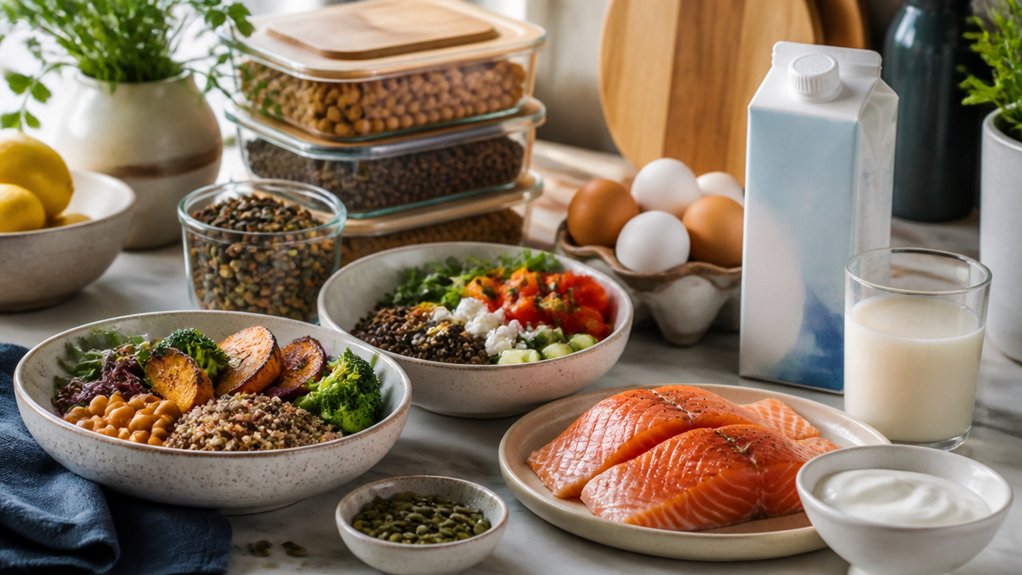
A nutrient-enriched food contains added nutrients—such as protein, vitamins, minerals, or fiber—to increase its nutritional content beyond that of a comparable product. You’ll find enrichment through fortification, restoration of nutrients lost during processing, or formulation with nutrient-dense ingredients.
The label should identify added nutrients and their amounts, letting you compare products against established daily values. Enrichment doesn’t automatically make a food healthful: assess its full profile, including sodium, added sugars, and saturated fat, as well as serving size.
Functional benefits depend on the nutrient, dose, food matrix, and your overall diet; added fiber, for example, can support digestive function when consumed adequately. Consumer perceptions also matter: clear labeling helps you distinguish measurable nutrient additions from broad wellness claims.
Choose products whose composition aligns with your nutritional needs, not marketing language alone.
What’s Driving Demand for High-Protein Foods?
As consumers prioritize satiety, muscle maintenance, and convenient nutrition, demand for high-protein foods continues to grow. You may notice this shift in shoppers seeking foods that support active lifestyles, healthy aging, and weight management.
Consumer awareness of protein’s roles in muscle protein synthesis and appetite regulation has also increased, aided by nutrition research and clearer labeling.
Meanwhile, ingredient innovation helps manufacturers add protein to familiar formats without compromising taste or texture. New plant proteins, improved processing, and blends of complementary sources can enhance amino acid profiles and functionality.
You’ll find protein in snacks, beverages, dairy alternatives, and prepared meals, making intake easier across eating occasions.
Fitness culture contributes, but demand also reflects broader interest in convenient, nutrient-dense choices. Together, these factors are reshaping product development and everyday food selection.
How Fast Is the Market Growing?
To gauge how fast the market’s growing, track compound annual growth rates across high-protein and nutrient-enriched food categories.
You’ll find growth varies by product and region, shaped by demand for convenient nutrition and functional ingredients.
Compare forecasts with sales data to distinguish durable expansion from short-term spikes.
Market Growth Rates
How fast is the market growing? You’ll find no single rate: estimates vary by product scope, geography, and forecast period. Recent market analyses generally project global high-protein food growth at a compound annual rate in the mid-single digits, while some nutrient-enriched categories grow faster from smaller bases.
Treat these figures as directional, not directly comparable; analysts may classify supplements, fortified staples, and protein-rich snacks differently.
For a reliable view, check each report’s base year, revenue definition, and forecast horizon. Compare like-for-like segments, then track annual sales alongside volume and price changes. Nutritional labeling can also shape how you interpret category boundaries, while consumer awareness may influence reported demand.
You’ll get a stronger estimate by triangulating independent datasets and testing scenarios rather than relying on one headline CAGR. This approach helps you distinguish sustained expansion from temporary shifts in pricing or product mix.
Key Growth Drivers
Growth rates reflect distinct forces across high-protein and nutrient-enriched foods, not a single market-wide trend. You’ll see demand accelerate where consumers seek convenient ways to support satiety, muscle maintenance, and healthy aging.
Product innovation expands access: manufacturers add protein, fiber, vitamins, or minerals to familiar snacks, drinks, and staples, while plant-based formulations attract flexitarian buyers.
E-commerce, personalized nutrition, and clearer on-pack claims also help you discover products aligned with specific goals.
Growth depends on more than consumer interest. Cultural preferences shape acceptable ingredients, flavors, and formats, so brands must localize products rather than assume universal appeal.
Regulatory challenges, including rules for fortification, health claims, and labeling, can slow launches and raise compliance costs.
Companies that validate benefits, source ingredients reliably, and adapt formulations to local standards can convert interest into sustained sales and strengthen category growth.
Which High-Protein Products Are Growing Fastest?

You’ll see growth concentrated in protein-enriched snacks, where convenient formats pair protein with added nutrients.
High-protein dairy alternatives are also expanding as manufacturers improve protein quality and texture.
Compare sales and product-launch data to identify which formats are gaining traction fastest.
Protein-Enriched Snacks
As consumers seek convenient ways to increase protein intake, snack makers are expanding beyond bars into ready-to-drink shakes, protein chips, yogurt, and fortified baked goods. You’ll also find protein crisps, roasted legumes, and portioned bites designed for work, travel, and post-exercise recovery.
These formats can deliver measurable protein per serving, but check labels for serving size, protein quality, added sugars, and sodium. Formulators use dairy, soy, pea, and other protein ingredients to balance nutrition with texture and shelf stability.
New extrusion and baking techniques help create crisp, tender products without compromising protein content. Flavor innovations, from savory spice blends to dessert-inspired profiles, can encourage repeat purchases.
Clear snack packaging that highlights grams of protein and serving context helps you compare options quickly. Expect growth where convenience, sensory appeal, and credible nutrition claims align.
High-Protein Dairy Alternatives
Demand for high-protein dairy alternatives is rising fastest in products that combine familiar formats with improved nutrition, particularly soy- and pea-based drinks, strained-style plant yogurts, and protein-fortified creamers.
You’ll also see growth in ready-to-drink shakes and barista blends, where added protein supports convenience, satiety, and foam stability. Manufacturers use isolates and concentrates to raise protein while managing flavor, texture, and sedimentation.
Soy typically delivers a complete amino acid profile; pea protein offers a useful alternative, though formulation may require complementary proteins or masking agents. Plant-based innovations increasingly pair these proteins with calcium, vitamin D, and B12 to improve nutritional parity.
For shoppers seeking Dairy free options, compare protein per serving, added sugars, and fortification. You’ll find the strongest products balance measurable nutrition with familiar taste and reliable performance across everyday uses.
How Can Fortified Foods Fit Into Daily Meals?
Fortified foods can complement meals when they address a specific nutrient gap without displacing a balanced diet. You can add calcium- and vitamin D-fortified soy milk to breakfast oats, or choose folate-enriched grain products when they fit your eating pattern.
Check serving sizes and labels: fortification levels vary, and several products may collectively push intake above recommended limits for nutrients such as iron or vitamin A. Pair these foods with vegetables, fruits, legumes, and other minimally processed ingredients to preserve dietary variety and fiber intake.
Meal customization lets you match a product’s nutrient profile to your needs, while flavor enhancement can make nutrient-dense combinations more appealing without relying on excess sugar or sodium.
If you have a diagnosed deficiency or take supplements, ask a clinician to assess total intake before making major changes.
What Do Shoppers Expect From These Foods?
Shoppers expect high-protein and nutrient-enriched foods to deliver clear nutritional benefits without compromising taste, convenience, or price. You want products that fit your routines, satisfy hunger, and offer credible value per serving.
Consumer preferences increasingly favor familiar formats and enjoyable textures, so nutrient density alone won’t secure repeat purchases. You also expect benefits that match your needs, whether supporting satiety, active lifestyles, or balanced eating, with claims grounded in reliable evidence.
Label transparency helps you judge those claims. Clear nutrition panels should show protein and key nutrient amounts per serving, while ingredient and allergen information should be easy to find.
You’ll likely compare serving sizes, added sugars, sodium, and price before choosing. Brands that communicate measurable benefits honestly—and maintain consistent quality—can earn trust, reduce purchase uncertainty, and make enriched foods easier to include in everyday meals.
Which Ingredients Are Brands Using?
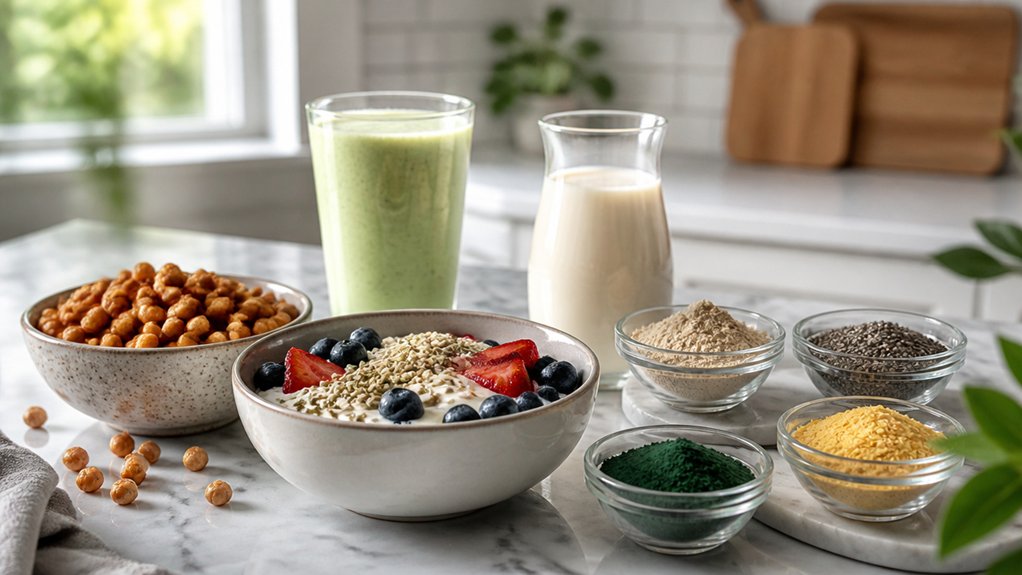
To deliver measurable nutrition in familiar foods, brands are using concentrated protein sources such as whey, milk, soy, pea, and other plant proteins, alongside ingredients that add specific nutrients. You’ll also find collagen peptides, egg proteins, and amino-acid blends in bars, drinks, and baked goods.
Fortified products may include iron, calcium, vitamin D, fiber, or omega-3s, selected to address a defined nutritional target. Formulators use enzymes, fermentation, and microencapsulation to improve solubility, texture, stability, and nutrient delivery.
Innovative flavor combinations, such as cocoa with botanicals or fruit with spices, help balance protein’s bitterness and support appealing products. Sustainable ingredient sourcing increasingly guides choices, including upcycled plant materials and lower-impact proteins.
Check labels for protein quantity, nutrient forms, serving size, and ingredient quality to compare products meaningfully.
What Could Slow Market Growth?
Even as demand grows, high-protein and nutrient-enriched foods face barriers that can limit adoption. Regulatory hurdles can slow launches when you must substantiate nutrient claims, meet labeling rules, and verify safety across markets. Requirements differ by jurisdiction, so reformulation and documentation can add time and cost.
Consumer skepticism poses another constraint: shoppers may question whether added nutrients deliver meaningful benefits or whether processing compromises quality. You’ll need transparent ingredient lists and credible evidence to earn trust, especially when claims sound exaggerated.
Product performance matters, too. Fortification can alter taste, texture, or shelf stability, while premium ingredients may raise prices beyond some budgets. If you can’t balance sensory appeal, affordability, and verified nutrition, repeat purchases may lag.
These pressures can narrow distribution, strain margins, and temper category growth.
What’s Next for High-Protein Foods?
Despite regulatory, sensory, and cost barriers, high-protein foods are likely to advance through more precise formulation and broader protein sources. Emerging trends include precision fermentation, cultivated ingredients, and improved plant-protein blends that can deliver complete amino acid profiles with fewer off-notes.
You’ll see manufacturers use enzyme treatment, encapsulation, and data-guided processing to improve solubility, texture, and digestibility without relying on excessive additives.
Consumer preferences will shape products that pair protein with fiber, micronutrients, and familiar flavors, while offering transparent sourcing and clear nutritional claims.
Expect more targeted formats for older adults, athletes, and people managing appetite or metabolic health.
Yet innovation must prove safety, affordability, and meaningful benefits through validated testing.
As you compare options, check protein quality, serving size, and the full ingredient list—not just front-of-pack claims.
About the Author