
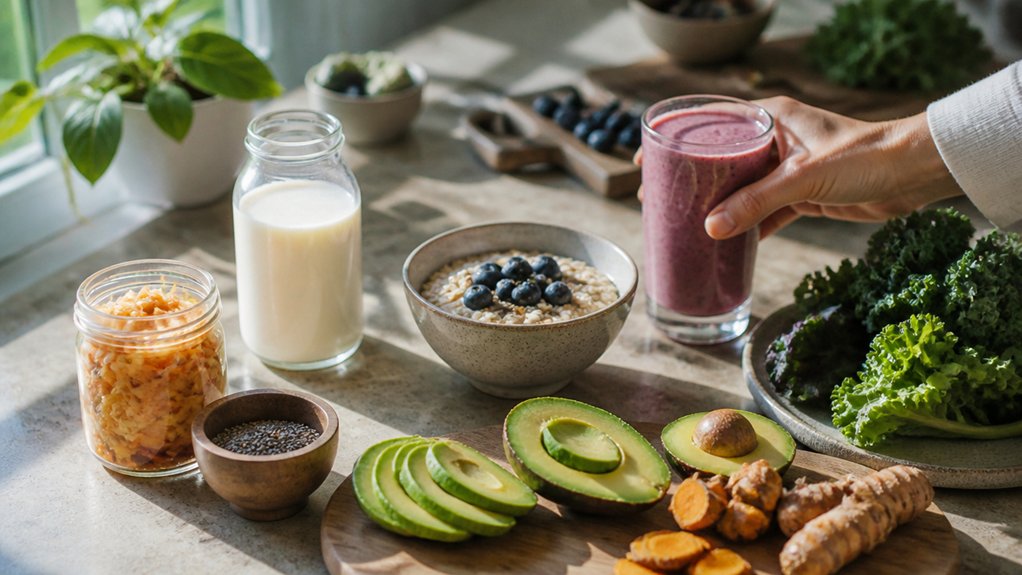
You may notice more foods promising benefits beyond basic nutrition, from probiotic drinks to fortified snacks. This growth reflects greater awareness of diet-related health risks and a preference for convenient ways to support well-being. But a product’s added ingredients don’t automatically make its health claims reliable or its benefits meaningful. To judge what these foods can—and can’t—do, you’ll need to look beyond the label.
What Counts as a Functional Food?

A food counts as functional when it provides health benefits beyond basic nutrition, such as supporting normal body functions or helping reduce disease risk as part of an overall diet. You’ll find functional foods in everyday items and specially formulated products.
Oats, for example, contain beta-glucan, a soluble fiber that can help lower LDL cholesterol when you consume enough as part of a balanced diet. Yogurt with live cultures may support digestive health, though effects depend on the strains and product.
Nutrient enhancement can add or increase beneficial components, while Food fortification restores nutrients lost during processing or adds nutrients to address dietary gaps. Check ingredient lists and nutrition labels to identify active components and amounts.
A health claim doesn’t guarantee a proven benefit; look for credible evidence and consider your overall eating pattern.
Why Are Functional Foods Growing in Popularity?
As you learn more about diet-related health risks, you may look for foods that support specific health goals. Preventive nutrition choices, such as fiber-rich foods that support digestive health, let you act before problems arise.
Fortified drinks and ready-to-eat products also offer convenient ways to add targeted nutrients to your routine.
Rising Health Awareness
Growing awareness of the links between diet and long-term health is prompting more consumers to seek foods that offer benefits beyond basic nutrition. As you learn how nutrients and bioactive compounds affect the body, you may look for products with added fiber, probiotics, plant sterols, or omega-3 fatty acids.
Research connects these components with specific effects, such as supporting gut microbiota or helping maintain healthy cholesterol levels, though benefits depend on dose, overall diet, and individual health. Clear labeling and credible evidence help you judge whether a product’s claims are meaningful.
Personalized nutrition also shapes interest: your age, preferences, and health goals can influence which functional foods appeal to you. This attention reflects holistic wellness, as you consider how everyday food choices relate to physical health and quality of life.
Preventive Nutrition Choices
Preventive nutrition is one reason functional foods are gaining popularity: consumers increasingly choose products intended to support health before problems arise. You can select foods fortified with nutrients or containing bioactive compounds, such as soluble fiber, plant sterols, or probiotics, to complement a balanced diet.
Evidence suggests these ingredients may support specific outcomes, including cholesterol management or digestive health, though effects depend on dose, product formulation, and your overall eating pattern.
Personalized nutrition can help you match choices to dietary needs, health goals, and, when appropriate, professional guidance.
Food labeling transparency matters, too: clear ingredient lists and quantified nutrient claims let you compare products and assess whether evidence supports advertised benefits.
You’ll make more informed preventive choices when you treat functional foods as part of—not a substitute for—a varied diet.
Convenient Wellness Solutions
Busy schedules make functional foods appealing because they can deliver targeted nutrients in familiar, ready-to-eat formats. When you’re short on time, fortified yogurt, high-fiber cereal, or a protein drink can help you meet specific dietary goals without extensive preparation. Check labels for nutrient amounts, serving sizes, added sugars, and evidence supporting health claims; ingredients alone don’t prove a product works.
A meal replacement may offer measured protein, carbohydrates, fats, and micronutrients, but it won’t suit every need or replace a varied diet indefinitely.
Snack innovation also expands your options, from probiotic bars to omega-3-enriched bites. Choose products that match your preferences, budget, and health requirements, and consider how they fit into your overall eating pattern.
Convenient formats can support consistent choices, but they’re most useful when paired with balanced meals and sound nutrition guidance.
Which Ingredients Make Functional Foods Work?

Functional foods work by delivering bioactive ingredients that can influence specific body processes, though their effects depend on the ingredient, dose, and overall diet. Functional ingredients include dietary fiber, live cultures, plant sterols, omega-3 fatty acids, and polyphenols.
These bioactive compounds differ in structure and activity: fiber can bind water or undergo fermentation, while probiotics are live microorganisms selected for specific properties. Plant sterols and stanols resemble cholesterol chemically, and polyphenols occur in foods such as berries, tea, and cocoa.
You’ll also find added vitamins, minerals, and protein in fortified products, but fortification alone doesn’t make every food functionally beneficial. Check ingredient lists, amounts per serving, and evidence for the specific ingredient.
Processing and storage can affect stability, so a product’s label and formulation matter when you compare options.
How Can Functional Foods Support Health?
When they’re chosen to match your needs, functional foods can support health by helping fill nutrient gaps or providing bioactive compounds that influence specific processes. For example, foods fortified with vitamin D may help you meet intake needs, while soluble fiber can support bowel regularity and help lower LDL cholesterol.
Fermented foods may supply live microbes that interact with your gut ecosystem, though effects vary by product and person. These benefits work best within a balanced eating pattern, not as a substitute for medical care or varied foods.
Your age, health conditions, medications, and usual diet shape what may help, making personalized nutrition relevant. Bioavailability factors—including food processing, meal composition, and nutrient interactions—also affect how much your body absorbs and uses.
Choose options that fit your needs and eating habits.
How to Evaluate Functional Food Health Claims
Because benefits depend on the food, the dose, and your needs, assess health claims against the evidence rather than the marketing. Look for Scientific validation from well-designed human trials, not just laboratory studies or research on animals.
Check whether participants resemble you, researchers measured meaningful outcomes, and independent teams replicated the findings. A claim about a nutrient’s role in normal body function differs from evidence that a product prevents or treats disease.
Review the ingredient amount per serving and compare it with the dose studied; formulations may differ. Check Regulatory standards in your country: rules govern what companies can claim and what evidence they must provide, but they don’t guarantee a product will work for you.
Read the full label, identify the responsible manufacturer, and consult a qualified health professional when a claim could affect your care.
What Are the Limits of Functional Food Benefits?
Even well-studied functional foods offer limited, context-dependent benefits: effects may be modest, vary between people, and depend on the food’s dose, preparation, and your overall diet and health.
A probiotic yogurt, for example, may support specific digestive outcomes, but it won’t treat every gut condition or replace prescribed care.
Processing and storage can reduce active compounds, while studies often test doses higher than you’d get from ordinary servings.
Your genetics, medications, age, and baseline nutrient status can also change how you respond.
Products may combine ingredients whose interactions researchers haven’t adequately studied.
Market saturation can encourage increasingly bold benefit claims, yet evidence doesn’t always keep pace.
Regulatory challenges also make it difficult to standardize definitions, verify product contents, and assess long-term effects.
Functional foods can complement healthy habits, but they can’t guarantee protection or cure disease.
How to Choose Functional Foods Wisely
Choose functional foods by matching a clearly stated benefit to credible evidence and a product you can use as part of your usual diet. Check whether research supports the specific ingredient, dose, and health outcome—not merely a broad claim about wellness.
Prefer products that identify active compounds and amounts per serving, so you can compare the label with studied doses. Ingredient accuracy matters: review the ingredient list, serving size, allergens, and any relevant certification, and contact the manufacturer if details are unclear.
Don’t assume “natural” means effective or safe, especially if you take medication or manage a health condition; ask a qualified health professional about possible interactions.
Consider taste, cost, and how consistently you’ll use the product.
Strong consumer education helps you distinguish evidence-based benefits from marketing and make choices that complement, not replace, a balanced diet.
What’s Changing in Functional Food Products?

As research and manufacturing advance, functional foods are shifting toward more targeted ingredients, clearer dose information, and formats designed for everyday use. You’ll find products that specify amounts of probiotics, plant sterols, or added fiber, making comparisons easier than broad claims alone.
New delivery forms, including fortified snacks and shelf-stable drinks, can help you fit nutrients into familiar routines, though processing may affect ingredient stability.
Personalized nutrition is also shaping product development. Some brands tailor formulations to dietary patterns or use test-based recommendations, but you should treat these tools as guidance, not proven substitutes for clinical care.
Meanwhile, Sustainable sourcing is gaining attention: companies increasingly disclose ingredient origins, farming practices, and packaging choices. Check whether claims are independently verified, and compare serving sizes, active doses, and evidence for the stated benefit before buying.
About the Author