
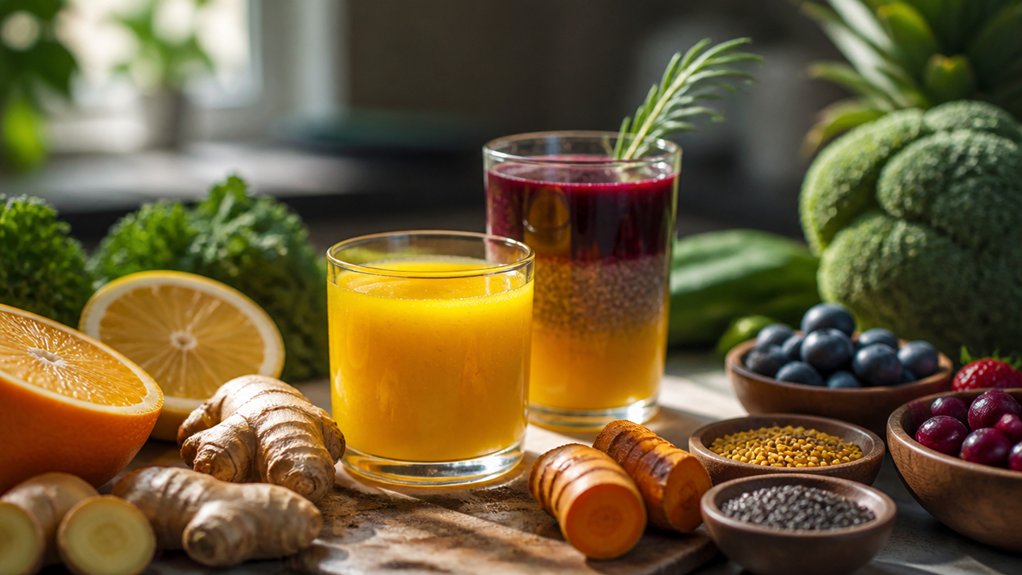
When you choose an immunity shot or functional drink, its ingredient list tells only part of the story. Vitamin C, zinc, botanicals, and probiotics can support specific functions, but their effects depend on dose, bioavailability, processing, and storage. Heat, acidity, and packaging may also change what remains in the bottle. To judge what a product can realistically offer, you’ll need to look beyond its immune-boosting claims—and at how its formulation holds up.
What Immunity Shots Can: and Can’t: Do
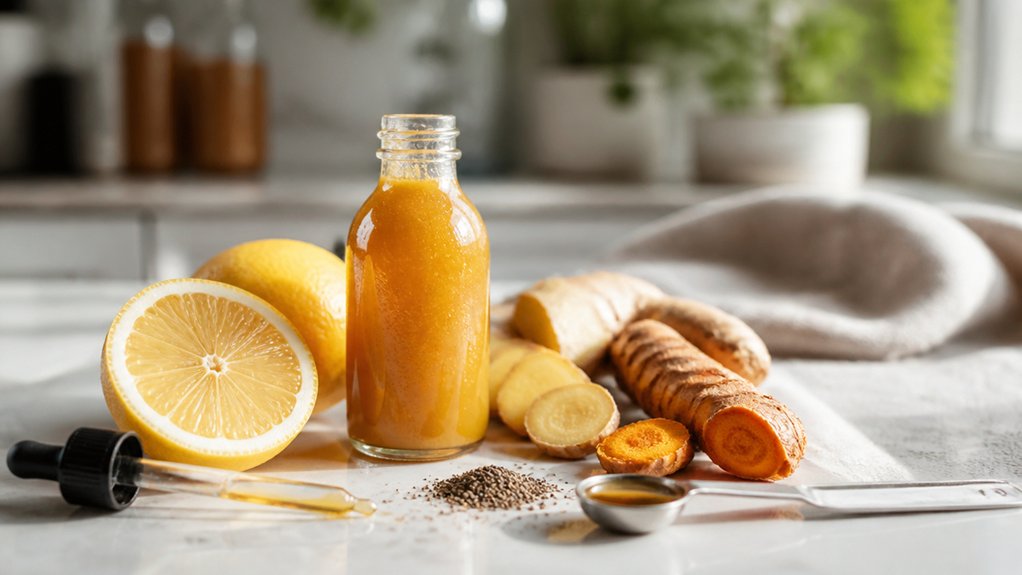
Immunity shots can deliver concentrated ingredients such as ginger, citrus, or vitamin C, but they can’t prevent infection or replace vaccination, sleep, or a balanced diet. Their effects depend on ingredient form, dose, stability, and how the finished drink interacts with your body.
A shot may provide a convenient serving of plant compounds or nutrients, but concentration alone doesn’t establish clinical benefit. Processing, acidity, heat, and storage can alter sensitive compounds, so formulation and shelf-life testing matter.
Marketing strategies often imply broad immune protection, yet evidence for a specific product requires studies on its actual ingredients, amounts, and use. Regulatory challenges also shape what brands can claim: rules differ by market, and health claims generally need substantiation.
Check labels for serving size and ingredient quantities, and treat promotional promises cautiously. Use these products as optional beverages, not as treatment or prevention.
What Can Vitamin C and Zinc Do?
Vitamin C and zinc support normal immune function, but taking more than you need doesn’t guarantee stronger protection or prevent infection. Vitamin C contributes to antioxidant defense and collagen formation, while zinc supports immune-cell development and activity.
In a drink, the useful amount depends on serving size, ingredient form, stability, and your total daily intake—not a “shot” label.
Vitamin synergy describes how nutrients may work together in normal physiology; it doesn’t prove that combining them improves outcomes beyond meeting requirements.
Mineral interactions also matter: phytates and some minerals can reduce zinc absorption, while high zinc intake can impair copper absorption over time.
Formulators should consider solubility, acidity, and storage conditions, since vitamin C can degrade during processing.
Check the label for doses, and avoid stacking products that push intake above recommended limits.
What Do Ginger, Probiotics, and Adaptogens Do?
When you assess ginger in a functional drink, consider its gingerol content and evidence for digestive comfort rather than assuming it prevents infection.
Probiotic effects depend on the strain, viable dose, and product stability, so check whether the formulation supports gut health.
Adaptogens such as ashwagandha may support stress management, but benefits vary by ingredient, dose, and evidence quality.
Ginger’s Potential Benefits
Ginger adds a pungent flavor to functional drinks, and its bioactive compounds—especially gingerols and shogaols—have shown anti-inflammatory and antioxidant effects in laboratory studies. These findings support interest in ginger, but they don’t establish that a drink prevents illness or delivers the same effects in people.
Ginger’s antioxidant activity may help limit oxidative reactions in experimental systems; human outcomes depend on dose, preparation, and overall diet. Ginger’s anti-inflammatory potential also varies with the extract’s composition and concentration, so you shouldn’t treat a shot as a substitute for medical care.
For formulation, you can use fresh juice, powder, or standardized extract, each with different flavor intensity and active-compound levels. Heat, acidity, and storage may alter gingerols and shogaols.
Balance pungency with sweetness or citrus, and verify ingredient stability and serving size.
Probiotics and Gut Health
Because probiotic effects depend on the strain and dose, adding live cultures to a functional drink doesn’t guarantee a gut-health benefit. You need to select Probiotic strains with evidence for the intended outcome, since effects don’t automatically transfer between species or strains.
Consider the target dose at consumption, not just at manufacture: heat, acidity, oxygen, and storage can reduce viability. Your formulation should protect live cells through processing and shelf life, and packaging should limit exposure to oxygen and moisture.
Check that the product delivers the labeled count when consumed, using stability testing under realistic conditions. A strain-specific claim also requires appropriate human evidence and compliance with local rules.
Probiotics may influence the Gut microbiome, but responses vary with diet, health, and baseline microbial composition; don’t promise universal benefits.
Adaptogens and Stress Support
Probiotic effects depend on strain, dose, and viability, while adaptogens are a separate category of ingredients marketed for stress support.
Ginger contributes pungent compounds such as gingerols and shogaols, which shape flavor and may support digestive comfort; it isn’t a probiotic or proven stress treatment.
Adaptogens, including ashwagandha or rhodiola, have differing evidence, extracts, and proposed effects. Don’t assume one ingredient delivers the benefits of another.
When you formulate a shot, specify each botanical’s identity, plant part, extract ratio, and standardized constituents. These details help you assess dose and compare evidence.
Herbal synergy is a formulation hypothesis, not proof that ingredients work better together. Check interactions, taste, solubility, and stability, and avoid disease-treatment claims.
If you’re targeting stress resilience, describe the intended support cautiously; clinical results depend on the tested preparation, dose, and population.
How Dose and Formulation Shape Effects
The dose you consume matters, but the amount listed on a label doesn’t always reflect how much your body can absorb.
Ingredients’ solubility, processing, and delivery form can alter bioavailability and absorption.
You’ll need to take into account both dose and formulation when evaluating a drink’s potential effects.
Dose and Bioavailability
How much an immunity shot delivers—and how well your body absorbs it—depends on both dose and formulation. The label’s serving size tells you the amount supplied, not necessarily the amount your body can use. Compare ingredient quantities with studied doses, while accounting for differences in extract strength and nutrient form. More isn’t automatically better: high doses may exceed established upper limits or interact with medicines.
Personalized dosing should reflect your diet, health status, and clinician guidance, rather than claims that one shot suits everyone.
Ingredient stability also affects the dose available when you drink it. Heat, light, oxygen, acidity, and storage time can degrade sensitive compounds, so manufacturers may use protective packaging or specify refrigeration. Check serving directions and expiration dates; they help you judge whether the stated dose remains meaningful—not whether the product prevents infection.
Formulation and Absorption
Even when two immunity shots list the same dose, their formulations can affect how much of each ingredient dissolves, survives digestion, and reaches circulation. You’ll see these differences in ingredient form, acidity, viscosity, and interactions.
For example, fat-soluble compounds may absorb better alongside dietary fat, while minerals and plant extracts can bind or compete, reducing availability. Processing heat, oxygen, and light can also degrade sensitive nutrients before you drink them.
Your experience matters, too. Flavor pairing can balance bitterness without excessive sugar, while a stable, well-mixed liquid helps deliver a consistent dose in each serving. Packaging design that limits light and oxygen may protect vulnerable ingredients during storage.
Check serving instructions and storage guidance; taking a shot with food or refrigerating it may affect stability or absorption, depending on its formulation.
How to Judge Immunity Shot Claims
Although immunity shots often promise rapid protection, no drink can broadly “boost” immunity or prevent infection on its own. To judge a claim, check whether it identifies a specific ingredient, dose, and measurable outcome—not just “immune support.”
Compare the amount per serving with doses studied in relevant human trials, and note whether evidence applies to the same population and formulation. Nutrients such as vitamin C or zinc may support normal immune function when intake is inadequate; extra amounts don’t guarantee fewer infections.
Watch for immune system myths, including claims that concentrated botanicals act like medicines or work instantly. Review the full ingredient list, serving size, and any stated limitations. Alternative delivery methods may improve convenience, but they don’t establish efficacy.
Treat vague promises as marketing, and seek qualified medical advice for prevention or treatment decisions.
How Heat, Acidity, and Packaging Affect Ingredients

Heat, acidity, and packaging can change an immunity drink’s ingredients during processing and storage. When you apply heat, you may reduce microbial risk, but you can also degrade heat-sensitive nutrients, including vitamin C and some plant compounds. Your time-temperature profile matters: brief, controlled treatment can limit losses compared with prolonged heating.
Acidity affects ingredient stability through pH-dependent reactions. Low pH can slow some degradation pathways, yet it may destabilize certain minerals or alter the activity of added enzymes. You should assess each active ingredient in the finished formula, not assume one pH protects all components.
Packaging materials also influence exposure to oxygen, light, and moisture. Choose containers with suitable barrier properties, and verify compatibility with acidic contents. Test nutrient levels over the intended shelf life under realistic storage conditions; initial label values alone won’t confirm stability through distribution.
What Makes Immunity Shots Taste and Mix Well?
After confirming ingredient stability through processing and storage, assess how the formula tastes and mixes in its final form. Your sensory evaluation should measure bitterness, sourness, sweetness, aroma, and lingering notes at the intended serving temperature.
Acids can sharpen fruit profiles, while measured sweeteners or flavor extracts may mask botanical bitterness without obscuring active ingredients. This flavor enhancement works best when you balance taste rather than simply increase sweetness.
For texture improvement, check viscosity, sediment, and mouthfeel after shaking and standing. Fine, well-dispersed particles generally feel smoother than coarse powders, but solubility depends on ingredient chemistry, pH, and solids concentration.
You can adjust particle size, use compatible stabilizers, or revise the mixing sequence to limit clumping and separation. Test the packaged product under realistic conditions; clear directions for shaking or dilution can support consistent delivery and consumer acceptance.
About the Author