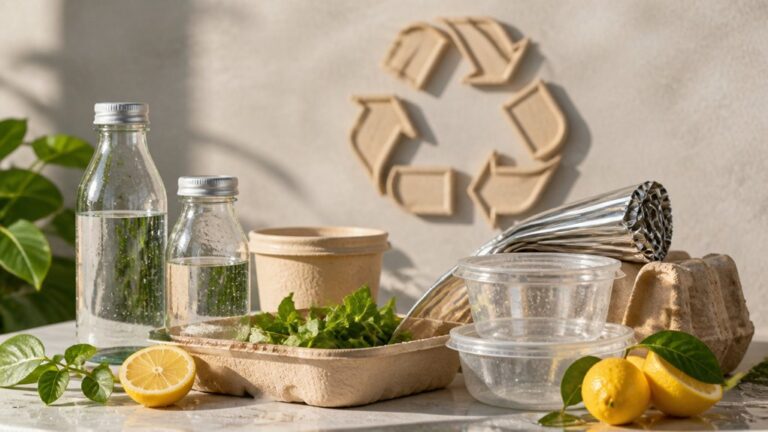
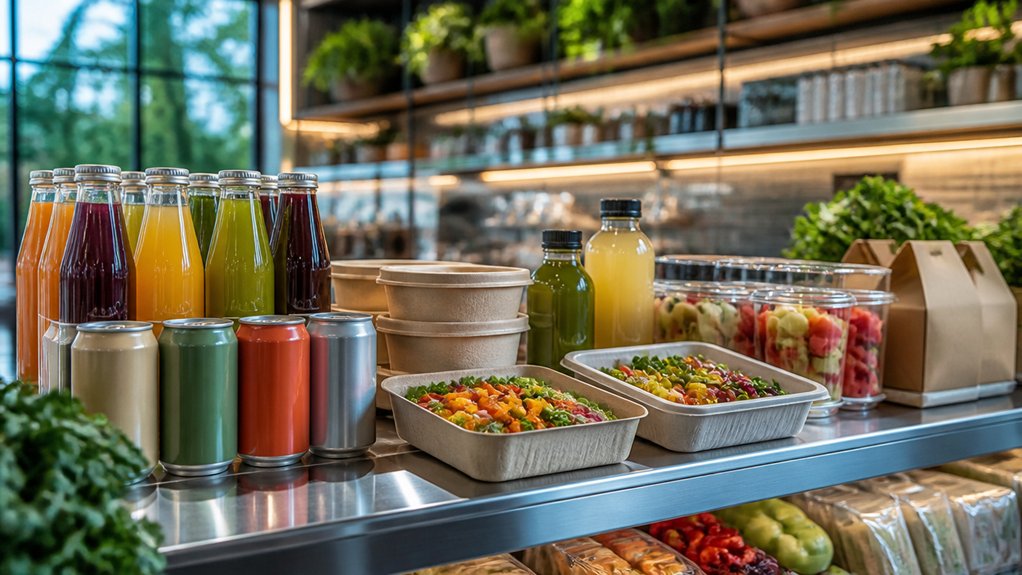
When you choose food or beverage packaging, you’re balancing material recovery, product protection, cost, and consumer expectations. Mono-material packs, recycled-content polymers, lightweight designs, compostable formats, and reusable containers each offer different benefits—and limitations. The right option depends on the product, local waste systems, and food-safety requirements. As regulations tighten and sustainability claims face greater scrutiny, how can you identify solutions that reduce impact without creating new problems?
What Counts as Sustainable Food Packaging?
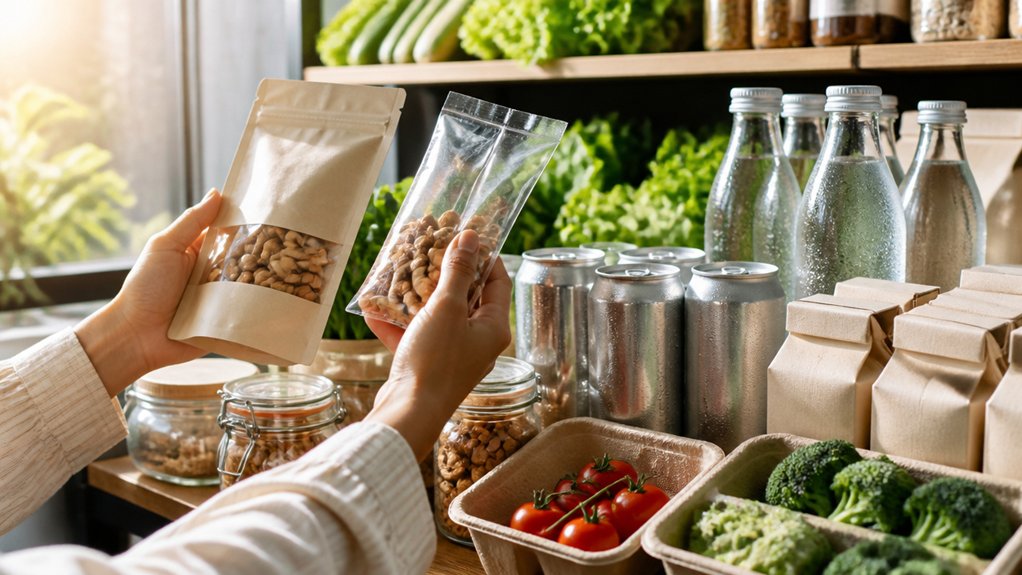
Sustainable food packaging protects products and food safety while reducing environmental impacts across its life cycle—from material sourcing and manufacturing to transport, use, and disposal. You should assess a package by its full performance, not by a “green” label or single material claim. It must preserve freshness, prevent contamination, withstand distribution, and fit your filling equipment while using resources efficiently.
Consider material origin, package weight, production energy, transport emissions, and end-of-life options available in your markets. A lighter format may cut fuel use, but it won’t help if it increases spoilage or lacks suitable disposal infrastructure. You should also examine food-contact compliance, barrier properties, and supplier data to verify claims.
Effective eco-friendly practices balance protection and resource use, while reducing packaging waste through right-sizing, avoiding unnecessary layers, and matching formats to actual recovery systems. This approach connects packaging choices with measurable operational and environmental outcomes.
How Recyclable Packaging Is Evolving
You’ll see recyclable packaging evolve through material innovations that improve recovery while preserving barrier performance.
Design choices such as mono-material structures, compatible inks, and easy-to-remove labels help you support sorting and reprocessing.
These advances work best when you connect packaging decisions to circular systems with reliable collection and recycling infrastructure.
Material Innovation
How can packaging protect products without complicating recovery? Material innovation helps you balance food safety, shelf life, and lower environmental impact. Food and beverage brands are testing bio-based polymers, recycled-content plastics, molded fiber, and barrier coatings that reduce reliance on virgin fossil feedstocks.
These materials must still meet migration limits, withstand filling and transport, and preserve product quality. You can assess performance through compatibility testing, life-cycle analysis, and verified recycling or composting pathways.
New formulations also address components that can hinder processing. Eco friendly inks can support cleaner deinking, while biodegradable adhesives may help labels and residues break down under suitable conditions. Neither claim guarantees a better outcome on its own; you’ll need evidence that the material fits local recovery infrastructure and applicable food-contact requirements.
Recyclable Design
What happens after a package is used matters as much as what it’s made from. Recyclable design helps you make that next step more practical. For food and beverage packs, choose compatible materials, limit layers, and avoid components that disrupt sorting or reprocessing. Clear polymer choices and removable closures can improve recovery, while mono-material formats simplify recycling without sacrificing barrier performance.
You’ll also need to think about inks, adhesives, and coatings. Eco friendly labels can use washable adhesives and recycling-compatible inks, helping facilities separate them from containers. Biodegradable coatings may support specific applications, but you should verify that they won’t contaminate conventional recycling streams.
Test packaging against local collection and processing requirements, since accepted materials vary by market. By designing for recyclability early, you can protect product quality and reduce avoidable packaging waste.
Circular Systems
As recycling systems evolve, packaging design is shifting from simple material recovery toward circular use. For food and beverage brands, that means you’ll need to take into account what happens after collection, not just whether a package is technically recyclable.
Mono-material structures, compatible labels, and washable inks can improve sorting and reprocessing, while standardized formats help recyclers produce consistent feedstock.
You can strengthen circular systems by pairing recyclable packs with recycled-content targets, refill programs, and clear disposal instructions. Work with suppliers, converters, retailers, and recovery operators to verify that local facilities can process your materials at scale.
This coordination supports Supply chain sustainability and helps prevent contamination or downcycling. Eco friendly packaging succeeds when design, infrastructure, and consumer behavior align.
Track recovery rates and recycled content, then use the results to refine specifications and procurement decisions.
Where Compostable Packaging Works Best

Compostable packaging works best where food scraps and packaging can enter the same well-managed organics stream. If you operate a stadium, campus, hospital, or quick-service restaurant, you can pair certified Compostable materials with dedicated collection, clear signs, and reliable hauler access. This setup helps capture Organic waste and reduces contamination from conventional plastics.
Match packaging to local processing requirements: facilities differ in accepted certifications, temperatures, and treatment times. You’ll get better results when staff sort items correctly and customers can identify approved cups, trays, and serviceware at disposal points.
Compostable formats also suit foods that leave unavoidable residue, such as sauces or oils, which can complicate recycling. Before switching, confirm that your municipality or processor accepts each item; otherwise, compostable packaging may be landfilled rather than converted into useful compost.
Why Reusable Food Containers Are Gaining Ground
Reusable food containers are gaining ground as food-service operators look beyond single-use packaging to cut waste and material costs. For your restaurant, café, or delivery program, a returnable system can keep durable bowls, cups, and trays in circulation across many service cycles. You’ll need clear collection points, reliable washing, and inventory tracking to maintain food safety and control losses.
Standardized container formats can simplify storage and work with existing filling lines, while deposit or return incentives encourage customers to bring items back. Consumer awareness also shapes adoption: diners increasingly expect practical ways to reduce packaging waste. Eco-friendly labeling can explain reuse instructions and return terms, but claims should match verified practices.
When you assess a program, compare sanitation, reverse-logistics, and replacement costs with disposable purchasing to identify where reuse delivers measurable benefits.
How Lightweight Packaging Reduces Material Use
When you lightweight packaging, you reduce material consumption while preserving the protection your product needs.
Lower package mass can cut shipping weights, reducing transport fuel use and emissions.
Efficient package design helps you use less material without compromising performance across your supply chain.
Reduced Material Consumption
Lightweight packaging reduces material consumption by using less resin, paperboard, or metal per unit while maintaining the strength and barrier performance products need. For your food or beverage line, downgauging films, optimizing bottle geometry, and trimming excess carton board can cut material demand without compromising product protection.
Validate each change through compression, seal-integrity, and shelf-life testing; inadequate barriers can increase spoilage and undermine sustainability gains. You can also pair right-sized designs with recycled content, eco-friendly sourcing, and biodegradable alternatives where food-contact rules and disposal infrastructure support them.
Set material targets by package format, then track grams per unit and damage rates across production runs. These measures help you reduce virgin feedstock use while preserving filling-line efficiency, consumer convenience, and packaging compliance.
Aim for verified reductions, not thinner materials alone.
Lower Shipping Weights
By reducing package weight, you can lower freight emissions and shipping costs across food and beverage supply chains. Lightweight bottles, cans, pouches, and cartons let you move more product per truckload, reducing fuel use and transport-related greenhouse gas emissions.
They also cut the packaging material required per unit, helping you manage resin, fiber, and metal inputs without compromising product protection.
You can evaluate Eco friendly alternatives such as recycled-content polymers, molded fiber, and thinner-gauge materials against barrier, strength, and food-safety requirements. Validate performance through distribution testing, since damage or spoilage can erase environmental gains.
Lower tare weight can also improve Supply chain optimization by increasing payload efficiency and easing handling across warehouses and retail delivery routes. Track package mass, breakage rates, and emissions per delivered unit to confirm that weight reductions deliver measurable benefits throughout your network.
Efficient Package Design
How can efficient package design reduce material use without compromising protection? You can start by matching package geometry to the product’s actual needs. Right-sized cartons, thinner walls, and optimized bottle profiles use less resin, paperboard, or aluminum while maintaining stacking strength and barrier performance. Structural testing helps you verify compression resistance, seal integrity, and drop protection before reducing material gauges.
For food and beverage brands, lightweighting also improves pallet density and lowers transport emissions, extending the benefits beyond the package itself. You’ll need to assess filling-line compatibility, shelf life, and handling conditions so material savings don’t increase damage or food waste.
Packaging ergonomics matters, too: comfortable grips and easy-open features support consumer use without unnecessary components. This practical Eco friendly innovation can cut costs and resource demand across your supply chain.
What New Materials Are Entering the Market?
As brands seek lower-impact alternatives to conventional plastics, new packaging materials are moving from pilot projects into commercial use. You’ll find fiber-based trays and molded pulp replacing foam in produce, bakery, and meal applications.
Agricultural residues, such as bagasse and wheat straw, give converters additional feedstocks while diverting byproducts from disposal. Biodegradable plastics made from starches or fermented plant sugars are entering selected food-service and flexible-packaging formats, though their end-of-life performance depends on suitable collection and processing infrastructure.
Innovative coatings can add moisture, grease, or oxygen barriers to paper without relying on conventional plastic laminates. Recycled-content polymers are also expanding, supported by improved sorting and decontamination technologies.
As you evaluate these options, compare material sourcing, manufacturing demands, and local recovery pathways to identify credible reductions in packaging impact.
How Brands Balance Sustainability and Food Safety
Sustainable packaging must protect food as reliably as conventional formats, so brands assess barrier performance, seal integrity, and contamination risks alongside material impacts. You can compare oxygen and moisture transmission rates, light protection, and shelf-life data before selecting a material for each product.
For chilled foods, a recyclable structure must still withstand cold-chain handling and maintain dependable seals. For beverages, closures and liners need to prevent leaks and preserve flavor without compromising recyclability.
Brands also validate packaging through migration testing and food-contact compliance, then monitor performance in distribution and use. Clear brand transparency helps you understand material choices, disposal instructions, and safety evidence.
Thoughtful packaging aesthetics can signal environmental progress, but labels must communicate claims accurately and avoid obscuring handling guidance. This balance protects consumers while reducing packaging impacts.
What Makes Sustainable Packaging Hard to Scale?
Scaling sustainable packaging can raise your unit costs when new materials require specialized equipment or limited supplier capacity.
You may also face gaps in collection, sorting, and recycling infrastructure across markets.
Meanwhile, alternative materials must meet performance requirements for barrier protection, shelf life, and line speed.
Cost And Infrastructure
Although sustainable packaging can reduce waste and emissions, its higher upfront costs and limited infrastructure often make adoption difficult to scale.
For food and beverage producers, Cost analysis must account for more than unit prices: you’ll also weigh tooling, line modifications, supplier qualification, and contracts for recovered materials.
Smaller companies may lack the capital to absorb these expenses before savings emerge.
Infrastructure investment presents another hurdle. Compostable packs need accessible collection and processing systems; recyclable formats depend on sorting capacity and reliable end markets.
Without those services, your packaging may not reach its intended recovery pathway.
Regional gaps complicate national rollouts, while inconsistent labeling and local rules raise compliance costs.
You can reduce risk by piloting formats, coordinating with suppliers and waste operators, and expanding where recovery systems already support the materials you choose.
Material Performance Challenges
Even when a package meets recovery targets, it must protect products on real production lines and through distribution. You need material durability that withstands filling, sealing, stacking, vibration, and temperature shifts without adding excessive material. A fiber tray may buckle under moisture; a lightweight film may puncture during transport. These failures can increase food waste, undermining packaging’s environmental gains.
Barrier properties create another scaling hurdle. Your pack must limit oxygen, water vapor, light, or grease to preserve freshness and safety across the product’s shelf life. Compostable coatings and recyclable mono-material structures can perform differently from established multilayer laminates, especially on high-speed equipment. You’ll need to validate seal integrity, machinability, and shelf life under commercial conditions, then adapt designs to product needs and local recovery systems.
Performance testing helps you balance protection, recyclability, and reliable production.
How Regulations and Consumer Demand Shape Choices
Regulations and consumer expectations are pushing brands to rethink packaging materials, formats, and end-of-life plans. You’ll need to track extended producer responsibility rules, recycled-content mandates, labeling standards, and restrictions on single-use formats across your markets. These requirements influence material specifications and packaging design, while clear recyclability claims help you meet compliance and build trust.
Consumer demand also shapes purchasing decisions. Shoppers increasingly look for reduced packaging, verified recycled content, and practical reuse or recycling instructions. You can respond with accurate on-pack guidance and digital resources that support consumer education without overstating environmental benefits.
Coordinate procurement, packaging development, and distribution teams to align specifications with local collection systems and supplier capabilities. Strong data management supports compliance reporting and supply chain efficiency, helping you select formats that satisfy regulatory requirements and reflect customer expectations.
What Are the Trade-Offs for Food and Beverage Brands?
For food and beverage brands, sustainable packaging choices involve balancing environmental impact with product protection, cost, and operational performance. You may reduce material use with lightweight formats, but thinner walls can compromise barrier performance, shelf life, or transport durability.
Recycled content and compostable materials can lower reliance on virgin plastics, yet food-contact approvals, contamination risks, and limited processing infrastructure may constrain adoption.
Packaging innovation can improve recyclability through mono-material designs, though switching formats may require equipment upgrades, supplier qualification, and production trials.
You’ll also weigh unit costs against waste reduction, logistics efficiency, and regulatory exposure.
Consumer perception matters: shoppers may value credible sustainability claims, but they’ll reject packaging that leaks, damages products, or seems wasteful.
Measure lifecycle impacts and test performance before scaling choices across product lines and markets.
About the Author