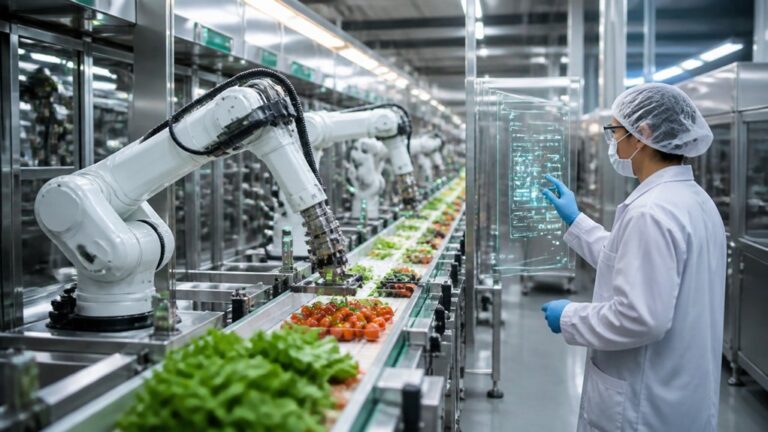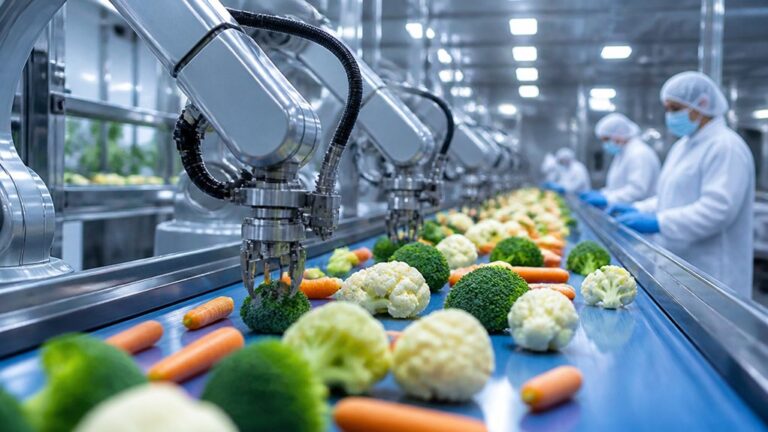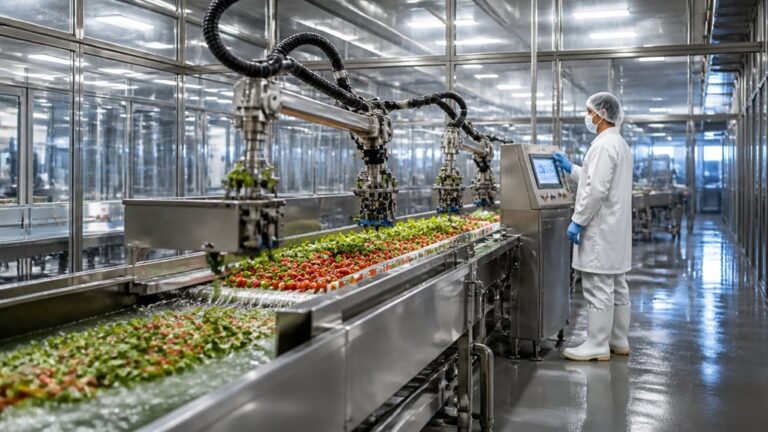
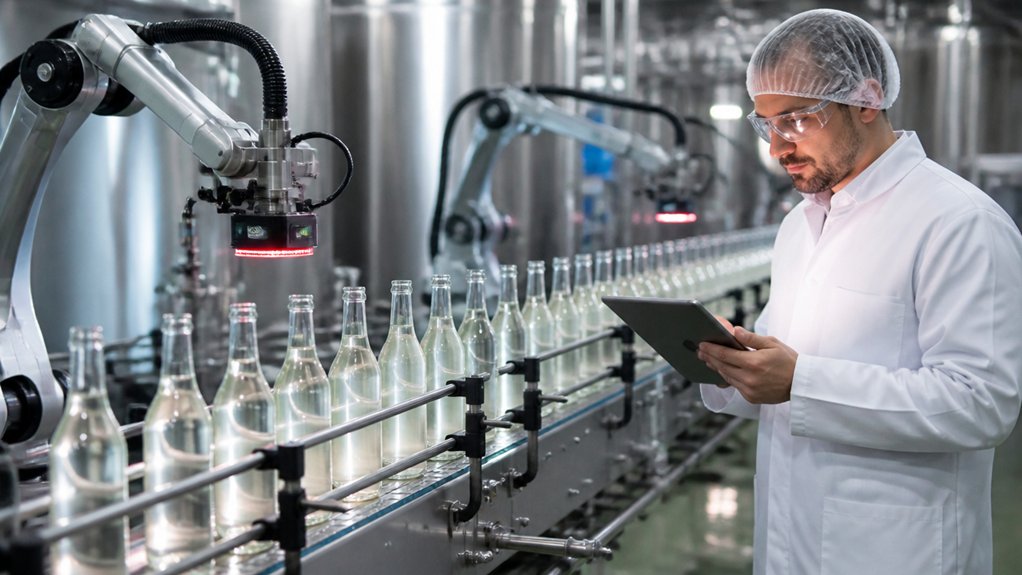
When you connect production, quality, and equipment data, you can spot inefficiencies that are difficult to see on the factory floor. AI helps you predict failures, detect food-safety and quality issues, and adjust production plans as conditions change. It can also reduce waste and energy use across the line. But turning these capabilities into reliable results depends on more than choosing the right model.
How AI Uses Production Data to Improve Efficiency
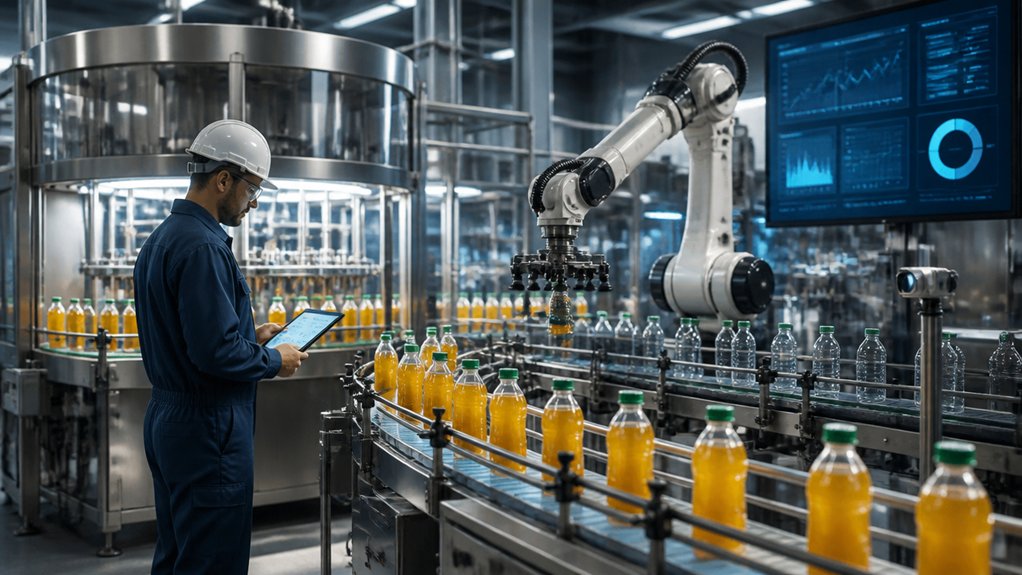
When AI analyzes production data from sensors, equipment, and quality checks, it can reveal where food and beverage lines lose time, energy, or yield. You can use these insights to tune schedules, balance workloads, and reduce excessive water, steam, or ingredient use.
Models can compare shifts, recipes, and line conditions, helping your team identify process settings that deliver consistent output without compromising food safety or product quality. Integrate recommendations with manufacturing execution systems so operators can act on them within existing workflows.
Track results against clear metrics, such as throughput, changeover time, and waste, then refine models as products and demand change. Protect Data privacy by limiting access and securing records.
Address Ethical considerations with transparent decisions, human oversight, and checks for biased or incomplete data.
Predict Equipment Failures Before They Cause Downtime
You can monitor equipment health with AI models that analyze sensor data, operating conditions, and production signals in real time.
These systems detect failure patterns early, helping you identify risks before they disrupt a line.
You can then schedule predictive maintenance around production needs, reducing unplanned downtime.
Monitor Equipment Health
AI-powered condition monitoring analyzes vibration, temperature, pressure, and motor-current data to detect early signs of equipment wear in food and beverage plants.
You can connect sensors to pumps, compressors, conveyors, mixers, and refrigeration systems, then stream readings into an AI platform for continuous assessment.
The system compares live measurements with operating baselines and alerts your maintenance team when conditions move outside safe limits.
This visibility helps you schedule inspections during planned changeovers, protect product quality, and reduce unplanned downtime without disrupting production.
Accurate insights depend on regular sensor calibration and operator training, so your staff can verify readings, interpret alerts, and respond consistently.
Detect Failure Patterns
By learning from historical sensor readings, maintenance records, and production conditions, AI models can identify patterns that precede equipment failures. You can use this pattern recognition to connect subtle signals—such as rising motor temperatures, vibration changes, pressure fluctuations, or longer cycle times—to developing faults.
Models can also account for production context, including product type, line speed, sanitation cycles, and operating loads, so normal process variation doesn’t trigger false alarms. When the system flags an emerging anomaly, you can review the evidence and compare it with past incidents through targeted failure analysis.
This gives your team a clearer view of likely failure modes and their potential impact on food safety, product quality, and throughput. By detecting these patterns early, you can reduce uncertainty and protect reliable production without waiting for a breakdown.
Schedule Predictive Maintenance
Once AI identifies a developing fault, predictive maintenance helps you act before it disrupts production. Your maintenance platform can combine sensor readings, equipment history, and production schedules to estimate failure risk and recommend service windows.
Instead of relying on fixed intervals, you can prioritize assets by condition, criticality, and expected impact on throughput or product quality.
AI-generated work orders help your technicians prepare parts, tools, and procedures before shutdown. Connect recommendations to inventory tracking so you can confirm spare-part availability, then use supplier coordination to expedite items that are running low.
Schedule repairs during sanitation cycles, changeovers, or planned downtime to protect output and food safety. As you capture inspection results and post-repair performance, models learn from each intervention, improving forecasts and helping you allocate labor and maintenance budgets more effectively.
Use AI to Spot Food-Safety and Quality Problems
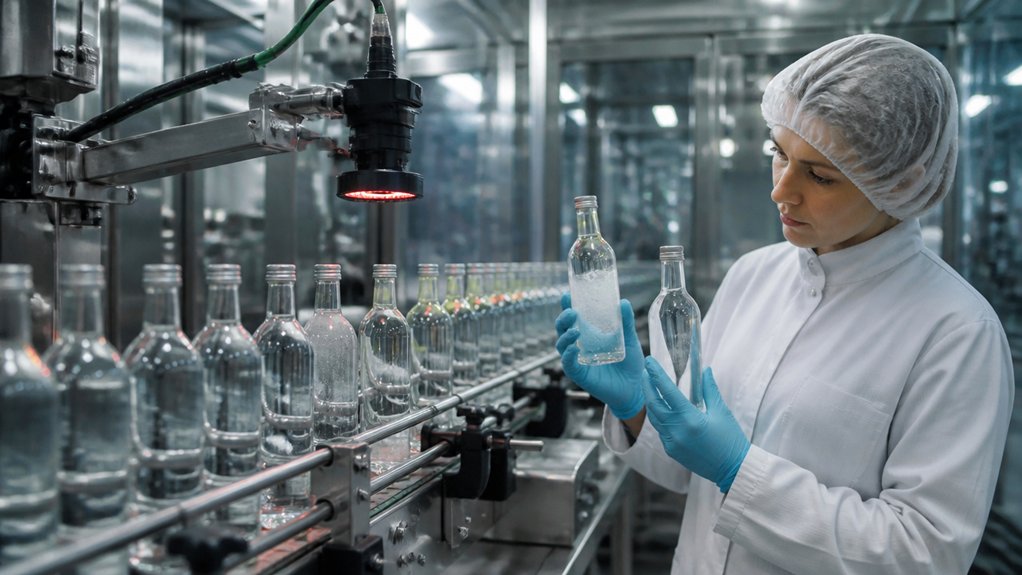
When production lines run at speed, small defects or contamination risks can be hard to catch before products move downstream. AI helps you identify emerging food-safety and quality issues by analyzing production data in real time.
Models can combine sensor readings, laboratory results, supplier records, and process parameters to flag unusual patterns linked to temperature excursions, sanitation gaps, or inconsistent formulations. You can use these alerts to investigate affected batches, adjust operating conditions, and document corrective actions before problems spread.
Over time, learning systems can reveal recurring causes and help your team refine controls across shifts and facilities. This strengthens Quality assurance while supporting traceability and regulatory readiness.
Rather than replacing expert judgment, AI gives your specialists earlier, data-backed signals so they can make faster, more consistent decisions and protect consumers.
How Computer Vision Inspects Food Production Lines
Computer vision inspects food production lines by analyzing images and video as products move through processing, packaging, and labeling. High-speed cameras capture details that your team might miss during manual checks, while AI models classify products against defined specifications.
You can configure visual inspection to detect seal defects, incorrect labels, fill-level variation, damaged packaging, or foreign material. When the system flags an anomaly, it can alert operators or trigger a line response, helping you investigate issues promptly and document findings.
Integrating camera data with production systems gives you traceable inspection records and clearer insight into recurring process deviations. For Food safety, you can apply vision checks at critical control points and adjust models as products, packaging, or requirements change.
This approach strengthens quality oversight while keeping decisions connected to your operating standards.
Reduce Food Waste and Energy Use on the Line
AI can align production schedules with demand, helping you cut overproduction and food waste.
By coordinating runs, changeovers, and equipment loads, you can reduce idle time and energy use across the line.
Live process data lets you refine these decisions as conditions change.
Optimize Production Schedules
With real-time demand, inventory, and equipment data, AI can sequence production runs to minimize changeovers, keep lines operating efficiently, and prioritize ingredients nearing expiration. You can use these recommendations to align batch sizes with orders, shelf-life limits, and available capacity.
Predictive models also flag schedule conflicts before they disrupt production, helping you adjust product mix, sanitation windows, and labor assignments. By connecting planning tools with supply chain systems, you can respond faster to supplier delays or demand shifts without overproducing.
Clear, explainable schedules help supervisors coordinate workforce training and prepare teams for new products or process changes. As operators feed actual run times and yield data back into the system, forecasts improve, and your plans become more reliable.
The result: less avoidable scrap, steadier throughput, and production decisions grounded in current operating conditions.
Reduce Energy Consumption
By analyzing meter data alongside line speed, product mix, and equipment status, AI can identify where food and beverage plants use more energy than production requires. You can use these insights to adjust refrigeration, compressed air, pumps, and cleaning cycles without compromising food safety or throughput.
Predictive models can also flag inefficient changeovers and idle equipment, helping your team coordinate production to reduce both energy use and product loss. Smart energy management platforms can shift flexible loads away from peak tariffs and recommend setpoints based on demand, equipment performance, and product requirements.
With renewable integration, AI can align energy-intensive tasks with on-site solar or wind availability, while storage helps balance supply fluctuations. By tracking results against production and emissions targets, you can verify savings and continuously refine operating decisions.
Use AI to Improve Recipes and Production Planning
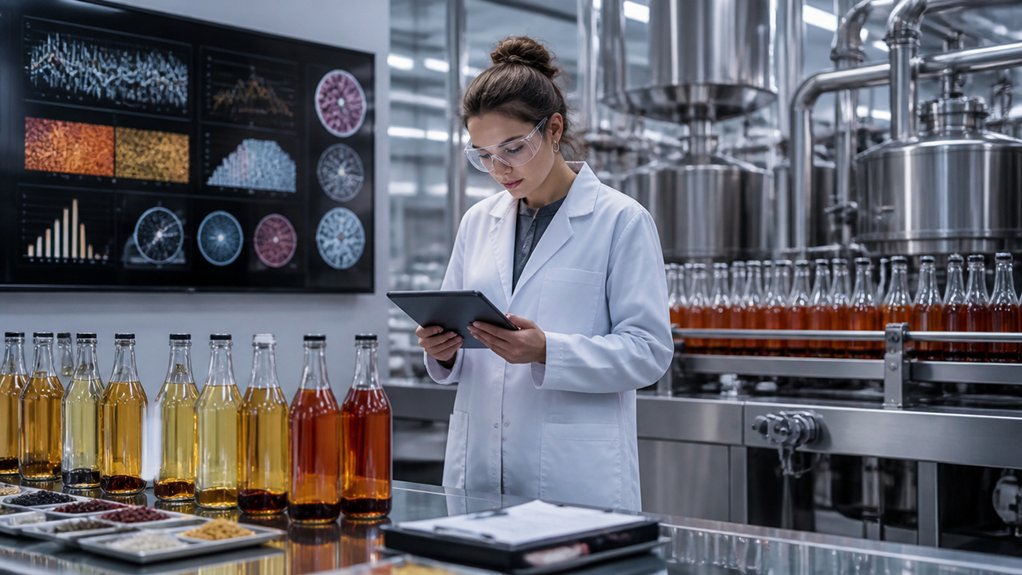
When ingredient costs, consumer preferences, and production constraints shift, AI helps food and beverage manufacturers adapt recipes and schedules with greater precision. By analyzing formulation data, sensory feedback, and quality results, you can identify ingredient combinations that meet taste, nutrition, and cost targets. This supports flavor innovation while helping you maintain product consistency across batches.
AI can also assess ingredient sourcing options, comparing supplier availability, specifications, prices, and sustainability data to inform substitutions without compromising performance.
For production planning, predictive models can match demand forecasts with inventory, equipment capacity, and changeover requirements. You can sequence runs to reduce bottlenecks, limit excess stock, and respond faster to demand changes.
When a supply disruption or revised formula affects production, AI can recalculate plans and show trade-offs. Your teams can then make informed adjustments while protecting quality, service levels, and margins.
What Food Manufacturers Need to Adopt AI
Adopting AI starts with reliable, accessible data from production, quality, supply chain, and sales systems. You’ll need consistent formats, clear ownership, and secure integrations so models can connect operational signals without compromising traceability or food safety.
Next, define measurable use cases, such as reducing changeover time, preventing quality deviations, or improving demand forecasts. Your teams should validate data quality, establish baseline performance, and set thresholds for human review before deploying models on live lines.
Build cross-functional expertise across operations, IT, quality, and procurement, and train employees to interpret recommendations. AI driven supplier management can flag delivery and risk patterns, while Consumer preference analysis can guide product decisions.
Start with a controlled pilot, monitor accuracy and business impact, then scale with governance, cybersecurity, and ongoing model monitoring. You’ll turn experimentation into dependable operational capability.
About the Author