
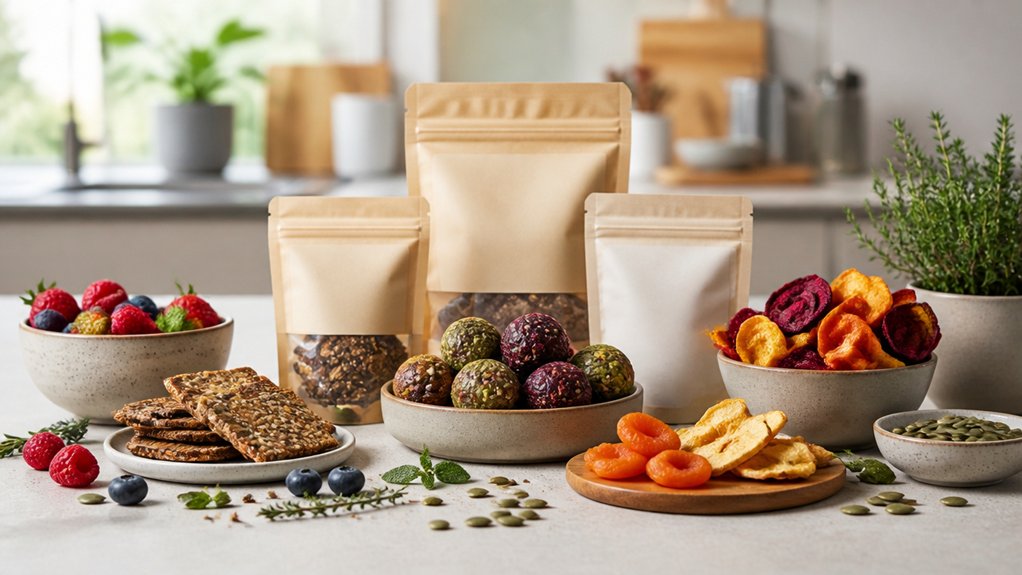
You may not know that some next generation of healthy snacks use fermentation and precision processing to build flavor while preserving texture and nutrients. Instead of relying on excess salt, sugar, or additives, they combine legumes, seeds, fiber, and botanical ingredients to support different dietary goals. The result is a snack designed for more than calories or convenience—but which features actually make a meaningful difference for your energy, digestion, and daily routine?
What Makes Healthy Snacks Different Today?
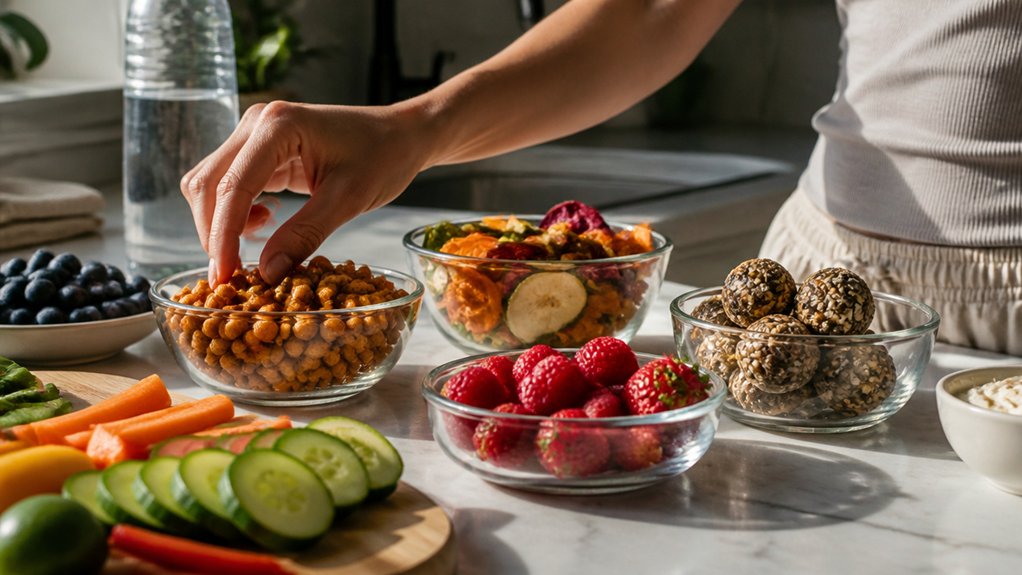
Healthy snacks have moved beyond low-calorie claims to deliver measurable nutritional value alongside convenience and flavor. Today, you’ll find products formulated with nutrient-dense ingredients, including legumes, whole grains, seeds, and fermented components.
These ingredients can contribute protein, fiber, unsaturated fats, or beneficial cultures, depending on the product. Improved processing methods help preserve texture and nutrients while reducing reliance on excess sodium, added sugar, and artificial additives.
Flavor innovation also distinguishes the category. Developers use fermentation, roasting, botanical extracts, and layered seasoning to create complexity without masking ingredient quality. You can enjoy bold, satisfying profiles alongside clearer nutrition information and convenient formats.
Mindful snacking now means paying attention to both sensory experience and composition—not simply counting calories. This shift reflects advances in food science and consumer demand for snacks that combine function, transparency, and enjoyment.
How to Choose Healthy Snacks for Your Goals?
To choose snacks that support your goals, match their nutrients and portions to what you need between meals. Start by defining the outcome: convenient fuel, a lighter option, or a way to add fiber and micronutrients.
Then compare labels for serving size, calories, added sugars, sodium, and fiber; ingredient lists can clarify how a product delivers those nutrients. Choose options that fit your dietary needs and taste preferences, since a snack you’ll actually eat is more useful than an idealized choice.
Use snack portioning to keep intake aligned with hunger and your daily pattern. Pre-portioned packs can help, but check whether the labeled serving matches your needs.
Don’t let nutrition myths—such as treating every calorie or ingredient as equally meaningful—drive decisions. Evaluate the whole product, your context, and how satisfied you feel afterward.
Protein-Packed Snacks for Steady Energy
Once you’ve matched a snack to your goals, consider protein when you need something more sustaining between meals. Protein slows digestion and supports satiety, while pairing it with fiber-rich carbohydrates can help you maintain steadier energy than a highly refined, low-protein option.
Check the nutrition panel for grams per serving, added sugars, and portion size; your needs vary with activity, appetite, and the rest of your diet. New formats combine crisp textures with concentrated protein, making convenient choices easier to carry and portion.
Thoughtful Snack packaging can protect freshness and provide clear serving information, helping you compare products quickly. Meanwhile, flavor innovation—from savory spice blends to tangy profiles—can make protein-forward snacks more appealing without relying on excessive sweetness.
Choose a product you enjoy and can fit comfortably into your routine.
Plant-Based Snacks With Simple Ingredients
When you choose plant-based snacks made from whole foods, you get ingredients that retain their natural fiber and nutrients.
Short ingredient lists make it easier to identify added sugars, oils, and preservatives.
Look for naturally plant-based options, such as roasted legumes or fruit-and-nut blends, to keep your snack simple and nutrient-dense.
Whole-Food Ingredients
Whole-food snacks rely on recognizable plant ingredients—such as nuts, seeds, legumes, fruits, and vegetables—rather than long lists of refined additives. These foods retain varied fiber structures and naturally occurring nutrients, giving you more than a flavor cue: they provide a matrix that can influence digestion and satiety.
When you choose roasted chickpeas, fruit-and-nut bars, or vegetable crisps, check how processing affects texture and nutrient retention. Whole food sourcing connects product quality to crop variety, harvest timing, and supplier practices; ingredient transparency helps you assess those factors and identify meaningful claims.
Manufacturers can use gentle dehydration, fermentation, or precision roasting to develop flavor while preserving ingredient character. You’ll benefit most when formulations pair complementary plant proteins, fibers, and unsaturated fats, supporting satisfying snacks without relying on isolated compounds.
Short Ingredient Lists
A short ingredient list can make a plant-based snack easier to evaluate, but the count alone doesn’t determine its quality. You’ll learn more by checking each ingredient’s purpose, the nutrition facts, and serving size.
A concise label may still include substantial sodium, added sugars, or saturated fat, while a longer one can reflect functional components that support texture or shelf stability. Look for clear names and quantities, then compare similar products using consistent criteria.
Snack packaging innovations can make this review faster through scannable labels that explain ingredient functions, sourcing, and processing. Effective consumer education strategies can also help you distinguish familiar terms from meaningful nutritional information without treating brevity as proof of healthfulness.
When you assess the full label, you can choose snacks that fit your dietary needs and preferences with greater confidence.
Naturally Plant-Based Snacks
Naturally plant-based snacks get their ingredients from plants, often with little processing or few additions. When you choose roasted chickpeas, fruit-and-seed bars, or vegetable crisps, you can check whether the main ingredients remain recognizable and minimally refined.
Pairing legumes, whole grains, nuts, and seeds can supply fiber, protein, and unsaturated fats, though nutrition varies by recipe and serving size.
Innovative Superfood combinations, such as berries with chia or pumpkin seeds with lentils, can add diverse nutrients without relying on long additive lists.
You should still compare labels: plant-based doesn’t automatically mean low in sodium, added sugar, or saturated fat.
Look for Sustainable sourcing details, including crop origin and responsible farming practices, to assess environmental claims.
Clear ingredient information helps you select snacks that fit your dietary needs while supporting more transparent production.
Gut-Friendly Snacks With Fiber and Fermented Foods
When you want a snack that supports digestive health, combine fiber-rich foods with fermented options. Fiber from oats, legumes, seeds, or fruit helps add bulk and supports regular bowel movements. Some fibers also act as prebiotics, feeding beneficial microbes in your gut.
Pair them with fermented foods such as live-culture yogurt, kefir, or fermented vegetables. These products may provide probiotic benefits, but strains and viable counts vary, so check labels for live cultures and storage guidance.
You’ll get more value from a snack that delivers meaningful fiber and cultures without excessive added sugar or sodium. Emerging formulations can blend resistant starch with carefully selected microbes, but evidence depends on the specific strain and dose.
Choose varied sources, and introduce fiber gradually with adequate fluids to support tolerance and digestive health.
Healthy Snacks for Work, Travel, and Everyday Life
Whether you’re at your desk or on the move, choose snacks that travel well and provide lasting nourishment. Pair protein and fiber—such as roasted chickpeas with fruit or yogurt with oats—to support satiety and steady energy. Check serving sizes and added sugars; nutrient-dense options can still exceed your needs when portions grow.
For commuting, select shelf-stable foods in leak-resistant, resealable packs. Emerging snack packaging innovations use portion controls, barrier films, and freshness indicators to protect texture and reduce waste.
At work, follow snacking etiquette: keep strong aromas contained, avoid noisy wrappers during meetings, and clean shared surfaces. Carry water, and match snacks to activity, climate, and storage access. If you need refrigeration, use an insulated bag with a cold pack.
Build a flexible routine around hunger cues, not rigid timing, so you can nourish yourself conveniently without turning every break into an automatic eating occasion.
About the Author