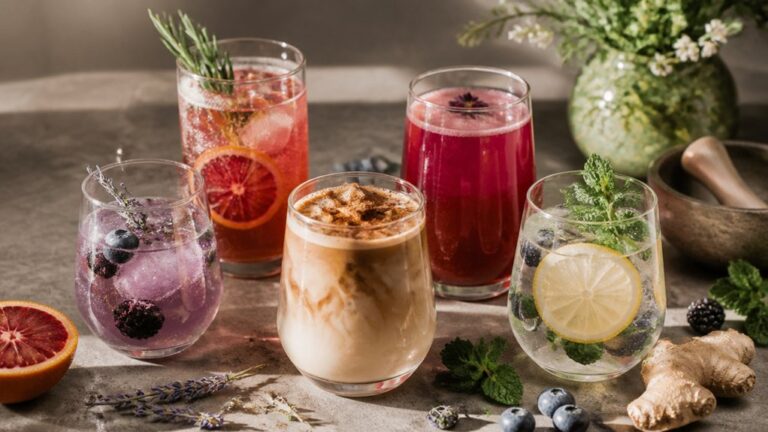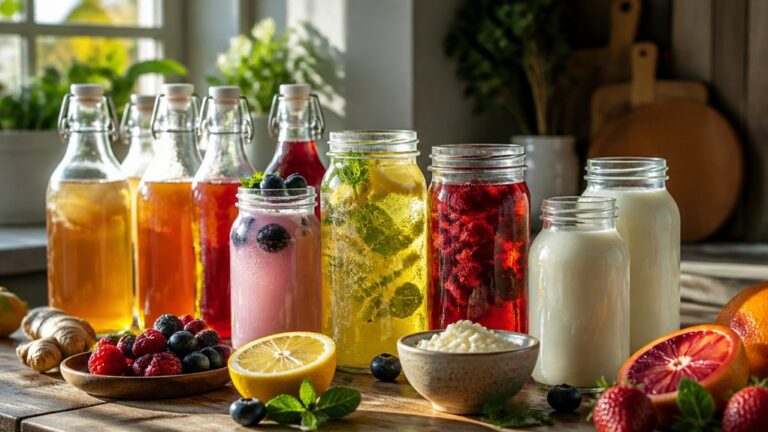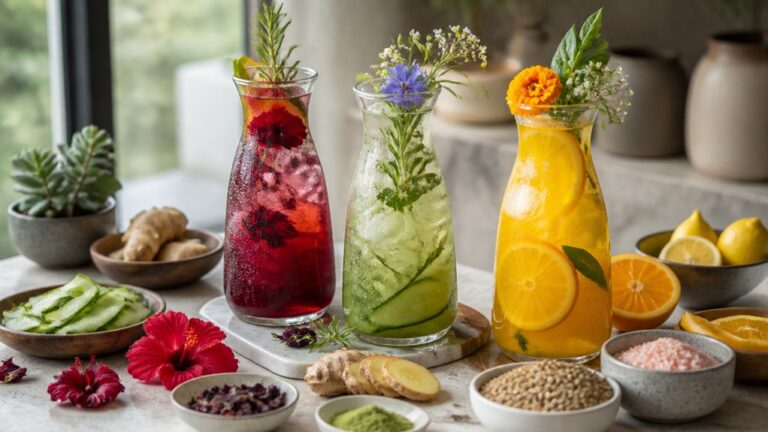
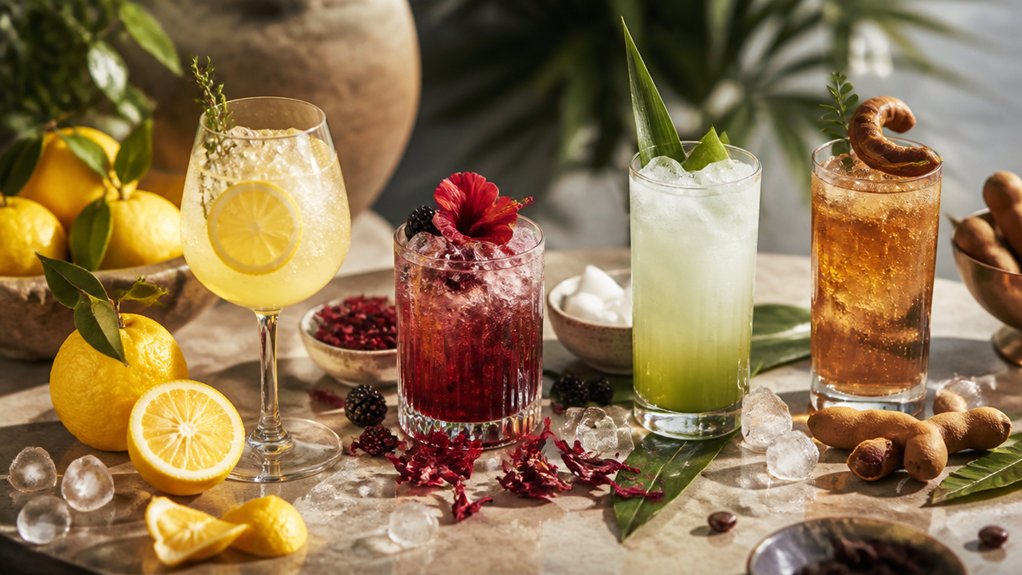
Global flavour trends give you a practical way to make familiar drinks feel new: matcha can sharpen a sparkling soda, while pandan or calamansi can add depth to a fruit spritz. The strongest concepts pair authentic ingredients with controlled sweetness, acidity, and aroma, rather than relying on novelty alone. From spice-led tropical blends to fermented formats, you’ll find opportunities to build distinctive drinks—but one balance can make or break them.
Explore Beloved Global Beverage Flavours
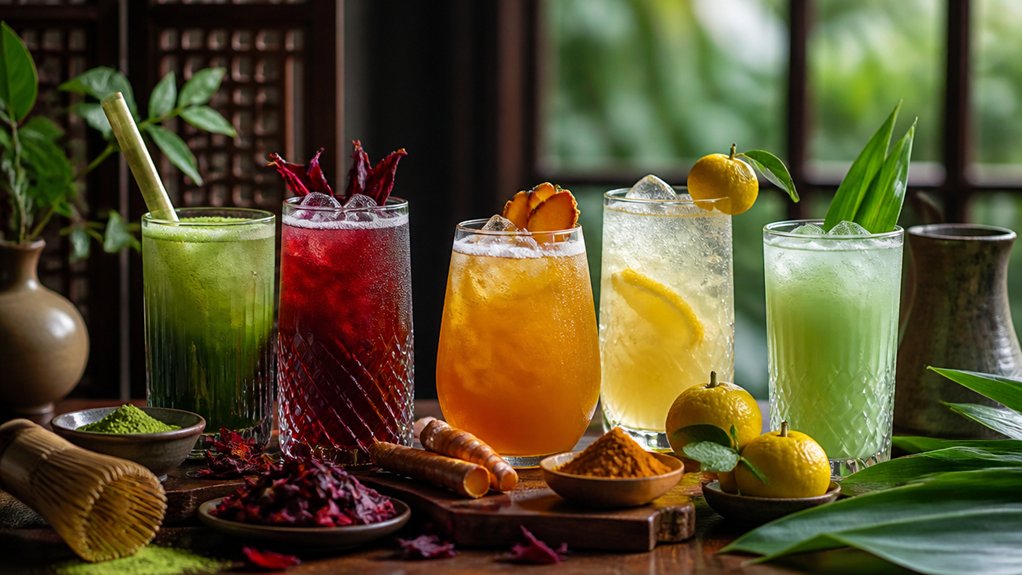
To develop beverages with global appeal, start with flavours people already love in their local traditions. Explore how Cultural influences shape familiar profiles, from hibiscus and tamarind to yuzu, cardamom, and roasted barley. You can translate these ingredients into contemporary formats while preserving the sensory cues that make them meaningful: aroma, acidity, sweetness, and mouthfeel.
Build Flavor fusion around a clear lead note, then layer complementary ingredients to add depth without obscuring its identity. For example, pair tart fruit with warming spice or floral botanicals with gentle bitterness. Use consumer research and regional expertise to check that combinations feel respectful, not merely novel.
Then tune sweetness, carbonation, and ingredient intensity for your target market. This approach helps you create distinctive beverages with authentic roots, broad appeal, and room for further innovation.
Try Matcha Sodas, Spritzes, and Smoothies
Matcha’s grassy, umami-rich profile can move beyond the latte into sparkling sodas, citrus-led spritzes, and creamy smoothies.
You can build a soda with finely dispersed matcha, bright lemon, and restrained sweetness, then apply soda carbonation techniques that preserve fine bubbles and prevent foam or sediment.
For a spritz, pair matcha with sparkling water and a measured citrus cordial; acidity lifts its savoury notes without masking them.
In smoothies, blend matcha with yogurt or oat drink for a creamy base, balancing bitterness with fruit and keeping the colour vivid.
These formats meet demand for layered flavour and customizable refreshment.
Matcha health benefits, including naturally occurring antioxidants and caffeine, can support a wellness-minded positioning, but avoid promising outcomes.
Offer clear ingredient information and let customers choose sweetness and intensity.
Add Spice to Tropical Fruit Drinks
You can sharpen tropical fruit profiles with controlled heat, using chili to balance mango’s sweetness and build a layered finish.
Pair ginger with pineapple for aromatic warmth and bright acidity.
For a bolder citrus option, add pepper to create a tingling twist that keeps each sip lively.
Chili-Mango Blends
Chili-mango blends pair ripe fruit’s sweetness and acidity with a measured kick of heat, creating a tropical drink that feels both familiar and contemporary. You can build this Spicy fusion around mango purée or juice, then select a chili source to control intensity and deliver a consistent finish.
Capsaicin levels vary, so standardized extracts or carefully specified pepper ingredients help you manage batch-to-batch heat. A touch of lime can sharpen the fruit profile, while salt may round out sweetness and amplify flavor.
For Tropical heat that suits broad audiences, keep the burn gradual rather than overwhelming, and test it across chilled and ambient formats. You can also explore sparkling, still, or lightly functional formulations, adjusting acidity and sweetness to maintain balance.
Clear heat cues on pack help consumers choose confidently and invite adventurous trial. This approach gives your product a distinctive, scalable flavor signature.
Ginger-Pineapple Pairings
Ginger adds a bright, warming edge to pineapple’s juicy sweetness, giving tropical drinks complexity without overpowering the fruit. When you develop Ginger Pineapple pairings, tune ginger intensity to the fruit’s acidity and sugar level. Fresh ginger brings lively citrus-like notes; juice or extract offers consistent heat and easier scale-up. You can also use fermented ginger for subtle tang and added depth.
For flavor harmony, balance ginger’s pungency with pineapple’s ripe aroma, then adjust sweetness and acidity through bench trials. A small amount of salt can sharpen fruit character without making the drink taste savory. These combinations suit sparkling invigorators, functional shots, and low-sugar beverages, where ginger signals natural energy.
Consider pulp, filtration, and carbonation early: each changes aroma release and perceived heat. With careful sourcing and dosage, you’ll create a distinctive tropical profile that remains revitalizing and production-ready.
Peppery Citrus Twists
When citrus meets a measured touch of pepper, tropical fruit drinks gain a lively contrast of bright acidity, ripe sweetness, and gentle heat. You can build this profile with mango, guava, or pineapple, then layer in lime or calamansi for crisp lift.
A controlled dose of black pepper, pink peppercorn, or chili extract adds aromatic warmth without masking the fruit. These spicy citrus blends align with demand for bold, globally influenced refreshment, while precise dosing keeps heat consistent across batches.
Try zesty infusions using cold-steeped pepper, citrus peel, or botanical distillates to improve flavour integration and limit sediment. You’ll also want to balance acidity, sweetness, and capsaicin intensity through sensory trials.
For a modern finish, use light carbonation to sharpen the citrus and carry pepper’s aroma.
Try Pandan, Lemongrass, and Calamansi Drinks
You can pair pandan’s vanilla-like aroma with coconut for a fragrant, creamy refresher.
For a brighter profile, combine lemongrass and calamansi in a crisp spritzer that balances herbal notes with citrus acidity.
These Southeast Asian flavors give you versatile bases for distinctive, trend-forward beverage launches.
Pandan Coconut Refreshers
Pandan, lemongrass, and calamansi bring Southeast Asian flavour cues to a new generation of coconut refreshers.
For a focused pandan coconut refresher, steep fresh or frozen pandan leaves in coconut water, then strain for a clean, aromatic base. You can balance its vanilla-like, grassy notes with a measured dose of coconut cream, a touch of acidity, and restrained sweetness. Keep the formula light so the pandan remains distinct and the drink stays crisp.
As you develop the product, consider Pandan health benefits carefully: avoid unsupported wellness claims and communicate ingredients transparently. Your sourcing story matters, too. Responsible Coconut harvesting techniques can support quality and supply resilience, especially when you verify origin and processing practices.
Test aroma stability, sediment, and sweetness across chilled shelf-life trials. A ready-to-drink format can bring this regional profile to everyday occasions.
Lemongrass Calamansi Spritzers
Lemongrass-calamansi spritzers extend Southeast Asian flavour cues into a bright, carbonated format. You can balance lemongrass’s citrusy, herbal aroma with calamansi’s sharp acidity and subtle sweetness, creating a profile that feels both invigorating and distinctive.
For controlled consistency, use a standardized lemongrass infusion or extract, then tune calamansi juice or concentrate to a target pH and soluble-solids level. This precision helps you protect flavour while managing shelf stability.
Flavor fusion offers room to layer ginger, green tea, or a restrained pandan note without obscuring the core pairing. You can also vary carbonation to lift aroma and sharpen the finish.
Ingredient sourcing matters: select traceable calamansi inputs and dependable lemongrass suppliers, and assess seasonal variation. A low-sugar formulation can meet demand for lighter revitalization while preserving vivid, authentic character.
Mix Middle Eastern Ingredients Into Modern Sips
As consumers seek drinks with layered, distinctive flavour, Middle Eastern ingredients offer beverage developers a rich toolkit for modern formulations. You can build aromatic depth with cardamom, saffron, sumac, and za’atar, balancing their intensity through precise dosing and controlled extraction.
Middle Eastern spices pair naturally with familiar formats, from sparkling waters to cold-brew teas and botanical tonics. Try date syrup or pomegranate molasses to add rounded sweetness and acidity, while rose water brings a fragrant finish.
For Fusion beverage concepts, combine tahini’s creamy texture with coffee or use toasted sesame in a clarified, low-sugar drink. You’ll need to manage sediment, colour stability, and ingredient interactions during scale-up.
Test spice dispersibility, adjust sweetness against bitterness, and use sensory panels to refine each profile. These choices make heritage flavours feel contemporary without losing their character.
Reimagine Latin American Drinks for New Occasions
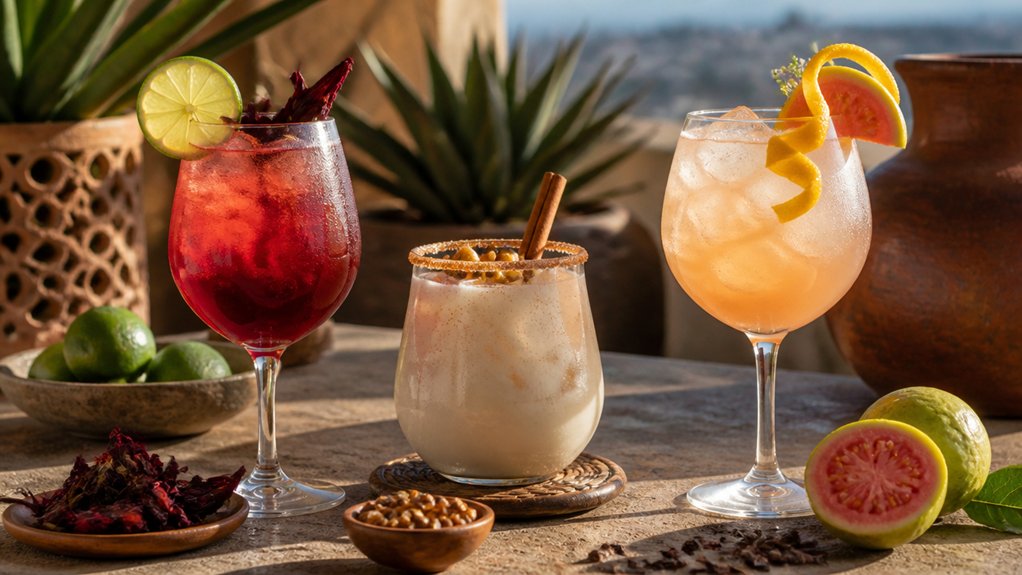
Latin American drinks can bring vivid flavour and cultural context to new occasions, from daytime refreshment to alcohol-free evening serves. You can adapt horchata into a lightly sweetened, shelf-stable oat or rice drink, using high-pressure processing to protect freshness without heavy preservatives.
Rework agua fresca as a sparkling, lower-sugar option for lunch, balancing fruit, water, and acidity for a clean finish. For evening menus, build alcohol-free serves around tepache’s fermented character or a clarified, spirit-free take on a regional punch.
Traditional techniques can guide fermentation, steeping, and texture while modern controls deliver consistency and food safety. Cultural fusion works best when you credit origins and collaborate with local makers.
Offer clear tasting notes and flexible formats, so you can connect heritage-led flavours with evolving routines without reducing them to novelty.
Pair Familiar Fruit With Global Spices
You can refresh familiar fruit profiles with spices that add aromatic depth and a distinctive point of difference.
Pair mango’s ripe sweetness with cardamom’s warm, floral notes, or sharpen citrus with ginger’s bright heat.
These combinations give you clear sensory cues for developing trend-forward beverages across formats.
Mango Meets Cardamom
Mango’s lush sweetness pairs naturally with cardamom’s citrusy, aromatic warmth, giving beverage developers a familiar fruit base with a distinctive global twist.
With Mango innovation, you can move beyond standard purées into sparkling refreshers, cultured drinks, or lightly sweetened teas. A thoughtful Cardamom pairing adds complexity without masking the fruit, helping you create a profile that feels both approachable and exploratory.
Start with a low cardamom dose: its volatile terpenes can quickly dominate, especially in delicate, low-sugar formats. Infuse crushed pods into a syrup or extract, then bench-test against mango at different acidity and sweetness levels.
You’ll find that a small amount of lime-free tartness, such as passion fruit or cultured acidity, can sharpen the finish while preserving the core pairing. For scale-up, monitor aroma retention through heat treatment and packaging; encapsulated flavor may protect delicate top notes.
This combination suits premium, globally inspired launches.
Citrus With Ginger
When bright citrus meets ginger’s peppery heat, a familiar fruit profile gains a globally inspired edge. You can build this pairing around lemon, lime, or yuzu, balancing bright acidity with ginger’s warming pungency. The contrast creates Flavor fusion that feels both invigorating and complex, aligning with demand for layered, adventurous drinks.
For a clean finish, use clarified citrus juice or carefully managed zest, then adjust ginger intensity through fresh juice, extract, or infusion. Each format affects aroma, heat, and stability, so bench trials can guide your choice.
Ingredient innovation might include fermented ginger, botanical distillates, or a light honey note to round sharp edges without masking freshness. You can translate the profile into sparkling water, a low-sugar tonic, or a functional shot, while monitoring pH, sweetness, and flavor balance across shelf life.
Use Fermentation to Create Bold Beverage Flavours
As global tastes shift toward complex, tangy profiles, fermentation gives beverage makers a precise way to build bold flavour. You can use fermentation techniques such as controlled lacto-fermentation, koji conversion, or staged yeast cultures to develop acidity, savoury depth, and aromatic complexity.
Track temperature, time, salt, and microbial activity to shape each batch and maintain consistency at scale. Then explore flavor pairing with ingredients that complement fermentation’s evolving character: hibiscus can sharpen a cultured tea, while roasted grains can deepen a lightly fermented fruit base.
These combinations let you create distinctive concepts rooted in global traditions without simply reproducing familiar profiles. Pilot small batches, measure pH and sensory changes, and adjust culture selection to guide the result.
Your product can turn fermentation into a signature flavour engine, not just a preservation step.
Balance Global Flavours for Everyday Drinking
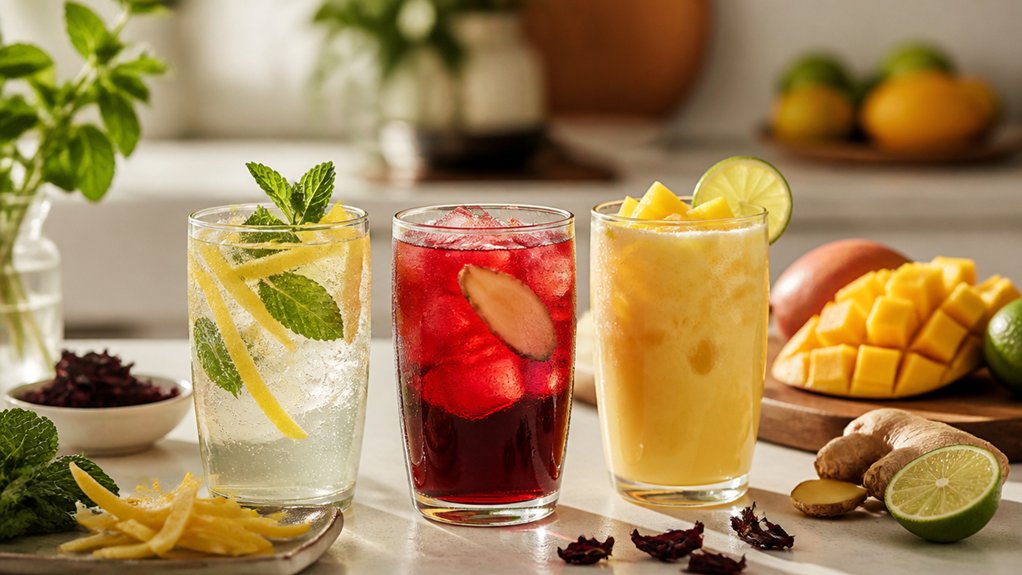
To make global flavours work for everyday drinking, balance their distinctive notes with familiar cues and a clean finish. Pair yuzu’s bright acidity with a recognizable citrus base, or temper tamarind’s tartness with gentle sweetness. This approach helps you create products that feel adventurous yet easy to enjoy regularly.
Cultural fusion works best when you respect each ingredient’s origin and give its character room to show. Combine complementary botanicals, spices, or fruit notes rather than stacking competing aromas.
Flavor balancing also depends on the beverage matrix: acidity can lift sweetness, while bitterness or carbonation can sharpen a rich profile. Use these interactions to shape a clear sensory arc, from first sip to finish.
You’ll deliver global inspiration without overwhelming the palate, supporting repeatable, versatile drinks suited to evolving everyday preferences.
Test Beverage Flavours Before Launch
Before launch, test each flavour with target consumers to learn whether its global cues feel distinctive, balanced, and easy to enjoy. Use sensory testing to assess aroma, sweetness, acidity, bitterness, texture, and finish, then compare responses across relevant consumer segments. Ask participants to rate liking and purchase intent, but also capture open-ended feedback about authenticity and familiarity.
Flavor pairing trials can reveal whether ingredients such as yuzu and ginger reinforce one another or compete on the palate. Test prototypes at realistic serving temperatures and carbonation levels, since these variables can shift flavour perception. Include a control recipe so you can measure whether an emerging trend adds meaningful appeal.
Use results to refine intensity, naming, and formulation before scale-up. Retest revised samples to confirm improvements, reduce launch risk, and protect the concept’s distinctive character.
About the Author