
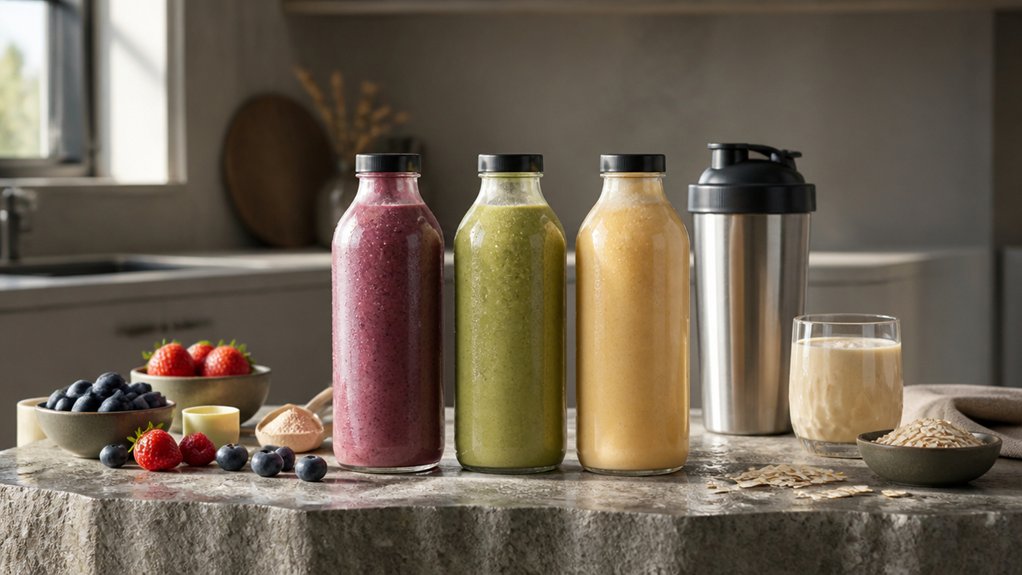
More than half of U.S. adults use dietary supplements, according to the CDC, reflecting how readily nutrition fits into daily routines. Protein drinks are following that shift: you’ll find them as clear beverages, plant-based blends, and coffee alongside familiar shakes. New flavors, functional ingredients, and convenient packaging are changing when and how you can get protein. But which formats actually fit your needs—and what should you look for before choosing one?
How Protein Drinks Are Changing?
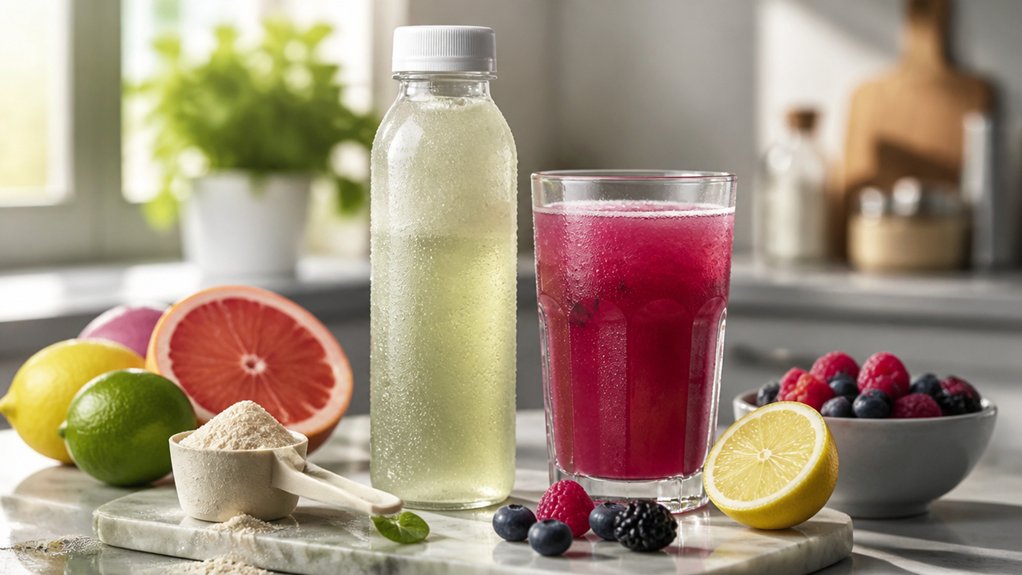
Protein drinks are moving beyond basic shakes as brands respond to demand for more convenient, varied options. You’ll now find protein in ready-to-drink coffees, flavored waters, smoothies, and snack-style beverages. This shift reflects protein supplement innovation: brands are rethinking formats, ingredients, and occasions so you can fit protein into more of your day.
Functional beverage trends also shape what goes into these products. Some combine protein with fiber, caffeine, vitamins, or electrolytes, though the benefits depend on the amounts and your needs. Check labels for protein per serving, added sugars, and ingredient claims; a longer list doesn’t guarantee better nutrition.
You can choose products that match your routine, taste preferences, and dietary requirements. As the category expands, protein drinks are becoming more diverse, giving you more ways to compare options and select what works for you.
Why Do Clear Protein Drinks Feel Lighter?
Among the newer formats, clear protein drinks can feel more like flavored water than a creamy shake. That lighter impression starts with the protein: manufacturers often use whey isolate, which dissolves into a translucent drink rather than adding the opaque, creamy body associated with milk-based shakes.
You’ll also notice less fat and fewer thickening ingredients in many formulations, so the liquid moves easily across your palate.
Flavor innovation helps reinforce that invigorating character. Bright citrus, berry, and tea-inspired profiles can taste crisp instead of dessert-like, while acidity balances sweetness.
Texture enhancement still matters: careful filtration and processing can reduce cloudiness and gritty sensations without making the drink feel heavy.
The result isn’t necessarily lower in calories or more hydrating; it simply offers a different sensory experience when you want protein without a rich, filling mouthfeel.
Why Do Plant-Based Protein Blends Taste Better?
As plant-based drinks move beyond single-source formulas, blends of pea, rice, and other proteins can taste smoother and more balanced. You may notice less bitterness or earthy flavor because each protein brings a different mix of amino acids and natural compounds.
Pea protein adds body, while rice protein can soften its distinctive taste; together, they create a more rounded base. This ingredient synergy also helps formulators balance texture, sweetness, and flavor without relying on one protein’s strongest notes.
Flavor innovation builds on that foundation: cocoa, vanilla, fruit, and carefully chosen natural flavors can complement the blend rather than mask it.
Processing matters, too. Finer milling and improved filtration can reduce grittiness, so you get a smoother sip.
The result is a plant-based drink designed for enjoyable, everyday nutrition.
How Does Protein Coffee Fit Your Routine?
When mornings are rushed, protein coffee can combine your caffeine ritual with a convenient source of protein. You can stir protein powder into brewed coffee, blend it with cold coffee, or use a ready-to-drink option when you’re heading out.
This pairing may help you add protein to breakfast, supporting muscle maintenance alongside regular activity; it won’t replace a balanced meal or guarantee lasting fullness.
Flavor innovation has expanded beyond plain vanilla, with options that complement espresso, mocha, and cold brew. You can also personalize a cup to suit your preferences: Dietary customization might mean choosing dairy or plant-based protein, adjusting sweetness, or adding milk.
Mix carefully, since some powders clump in hot liquid. If caffeine affects your sleep or makes you feel jittery, adjust the timing or amount to fit your routine.
How Do You Choose a Protein Drink?
Choosing a protein drink starts with matching it to your needs: check the protein per serving, ingredients, and nutrition facts, then consider taste, dietary preferences, and convenience. Look beyond front-label claims: compare added sugars, saturated fat, fiber, and serving size. Your ideal protein amount depends on your overall diet and activity, so use the drink to complement meals rather than replace balanced nutrition by default.
Next, assess Ingredient sourcing. Milk, soy, pea, and blended proteins offer different amino acid profiles; choose one that suits your diet and tolerance. If you avoid allergens, read the full label and check cross-contact warnings.
Try Flavor combinations that make regular use appealing, but favor products with transparent ingredients over novelty. Consider packaging, cost, and portability, too. A small taste test can help you find an option you’ll actually enjoy.
About the Author