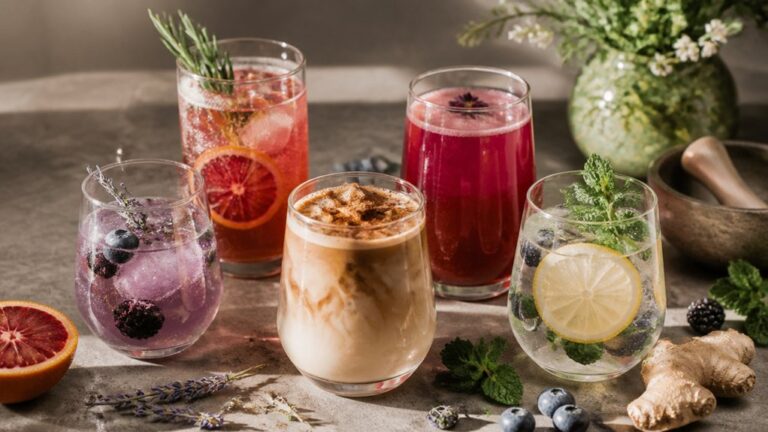
You may not realize that a drink labeled “sugar-free” can still taste sweet because it uses non-sugar sweeteners rather than carbohydrates. As you weigh concerns about added sugar, metabolic health, and ingredient transparency, beverage makers are reshaping formulas with botanical extracts, fermentation, and carefully balanced acids. These changes are expanding your choices, but labels and sweetness claims don’t always tell the whole story.
Why Low-Sugar Drinks Are Growing in Popularity
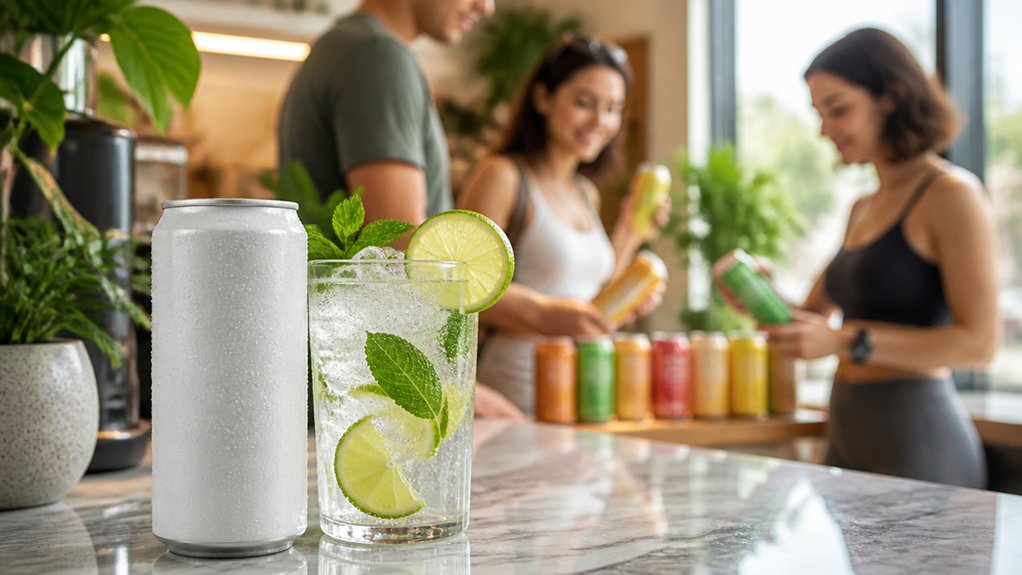
As awareness of added sugars grows, more people are choosing drinks that deliver flavor with less sugar. When you compare nutrition labels, you can see how beverage choices affect daily sugar intake.
Public health guidance links high added-sugar consumption with increased risk of weight gain, type 2 diabetes, and cardiovascular disease, making moderation a practical priority.
Consumer awareness now extends beyond calories to ingredient quality, metabolic health, and transparent labeling.
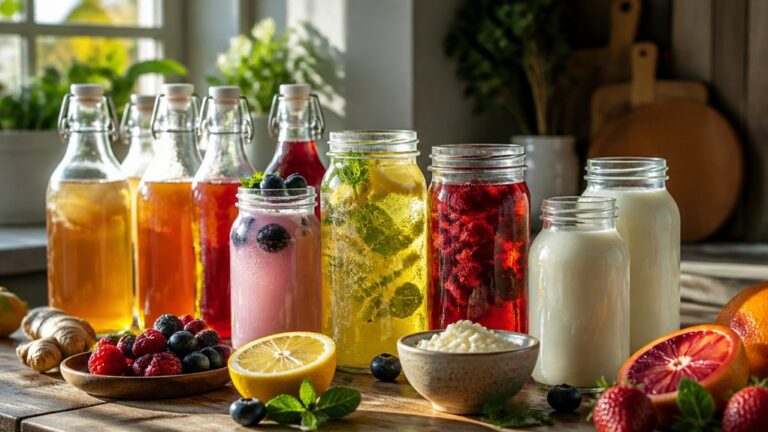
In response, manufacturers are investing in flavor innovation, using botanical extracts, fermentation, and carefully balanced acids to create complexity without relying on heavy sweetness.
Advances in sensory science also help formulators preserve aroma and mouthfeel as they reduce sugar.
You’re not simply following a trend: you’re responding to clearer health information and products designed to meet changing expectations.
What Low-Sugar Drinks Can You Choose?
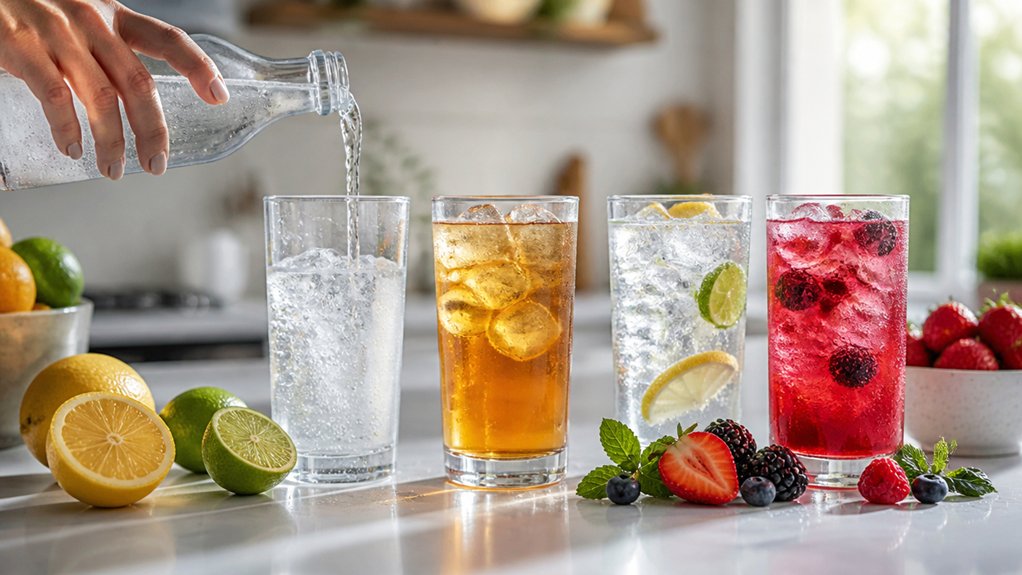
If you’re looking to cut added sugar, you have several drink options, from plain or sparkling water to unsweetened tea and coffee. You can also choose low-sugar flavored waters, herbal infusions, or drinks made with unsweetened plant-based milks.
Check nutrition labels: total sugars include naturally occurring sugars, while added sugars show what manufacturers have added. Compare serving sizes, too, since a bottle may contain multiple servings.
For more flavor, select products with natural flavorings, such as citrus, berry, or ginger extracts, and review the ingredient list for added sweeteners. Sugar alternatives, including stevia or monk fruit, can provide sweetness with little or no sugar, though taste and tolerance vary.
Try small servings to find options you enjoy, and prioritize unsweetened choices when you want to minimize sweetness overall.
How Brands Make Drinks Lower in Sugar
To reduce sugar, beverage brands may use less sweetener, replace some sugar with nonnutritive sweeteners, or reformulate recipes to preserve flavor with acids, flavors, and other ingredients. These changes can lower calories while maintaining a familiar taste, but each formula requires careful testing because sweetness, acidity, aroma, and texture interact.
You may see brands blend sweeteners rather than rely on one. Natural sweeteners, such as stevia or monk fruit extracts, can contribute sweetness, while small amounts of sugar or other ingredients help balance lingering notes.
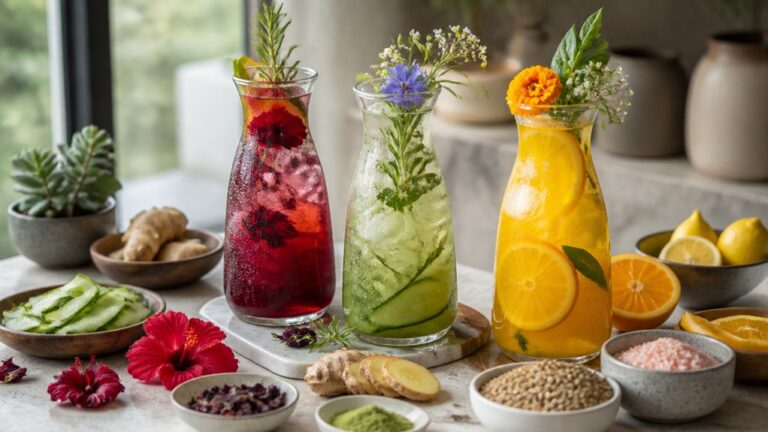
Flavor enhancement also matters: citrus, botanical extracts, spices, and aroma compounds can make a drink seem sweeter without adding equivalent sugar.
Manufacturers may adjust carbonation, mouthfeel, or serving temperature, too. These techniques can support a satisfying profile, though results vary by beverage type and your taste preferences.
How to Compare Sugar, Sweeteners, and Labels
Reformulated drinks can contain less sugar yet still taste sweet, so compare the Nutrition Facts panel with the ingredient list. Check serving size first: Sugar content is listed per serving, and a bottle may contain multiple servings.
Distinguish total sugars from added sugars; the latter identifies sugars introduced during processing, while total sugars also include naturally occurring sugars.
Then scan ingredients for sweeteners such as stevia, sucralose, or sugar alcohols. Their presence doesn’t necessarily appear as grams of sugar, but it can explain sweetness and affect how the product is classified.
Don’t infer a drink’s overall composition from front-of-package claims alone. Look for label transparency, including clear serving information and specific sweetener names.
When regulations or labeling formats differ by market, verify definitions before comparing figures across products or countries.
How to Choose a Low-Sugar Drink You’ll Enjoy
A low-sugar drink is more likely to satisfy you when its flavor, sweetness, and mouthfeel match your preferences. Start by identifying flavor profiles you enjoy: citrus, herbal, roasted, or fruit-forward notes can make reduced sweetness feel balanced rather than lacking.
Compare acidity, aroma, carbonation, and bitterness, since these sensory cues shape perceived sweetness and refreshment.
Check ingredient sourcing and the sweetener type, too. Fruit extracts, botanicals, and different non-nutritive sweeteners contribute distinct tastes; your response may differ from someone else’s.
Review the nutrition panel for total and added sugars, then consider serving size. If possible, sample single servings before buying multipacks.
Pair the drink with foods you commonly eat, because context can change flavor perception.
Choose a beverage you’ll enjoy routinely, not merely one with the lowest sugar number.
About the Author