Wellness drinks have moved beyond vitamins and electrolytes, bringing CBD and nootropics into cans designed to support calm, focus, or mental clarity. These ingredients reflect a broader shift toward functional beverages, but their effects depend on the formula, the dose, and your individual response. Before you add one to your routine, it helps to know what the science supports, what labels leave unclear, and which claims deserve a closer look.
What Counts as a Wellness Drink?
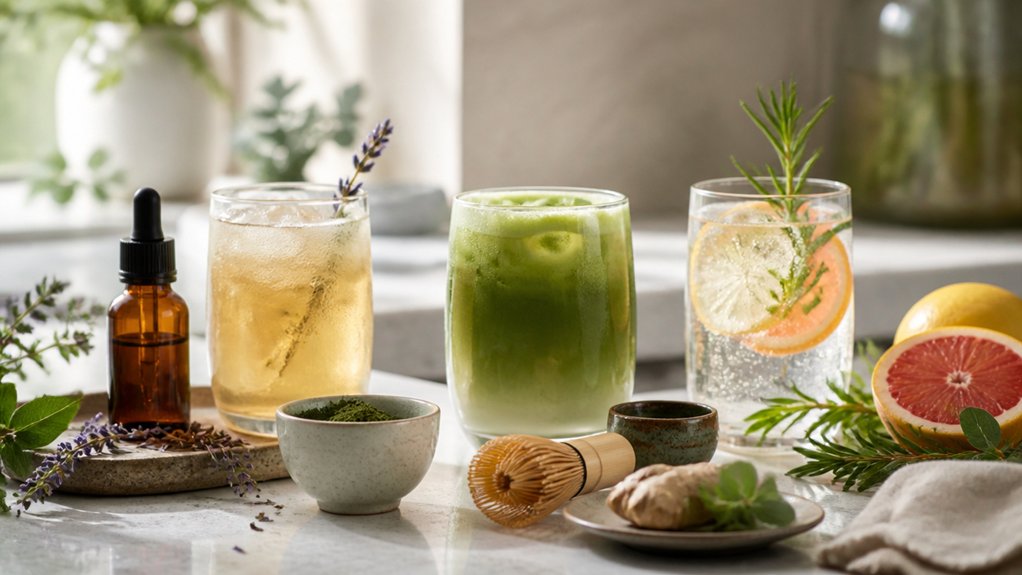
A wellness drink is any beverage marketed or chosen to support a specific aspect of well-being, from hydration and digestion to energy or relaxation. You’ll recognize one by its intended function, not a single ingredient or format. It might deliver electrolytes after a workout, fiber for digestive support, or caffeine for alertness. The label’s claims should match credible evidence: ingredients, dose, and your needs all matter, and “natural” doesn’t automatically mean effective.
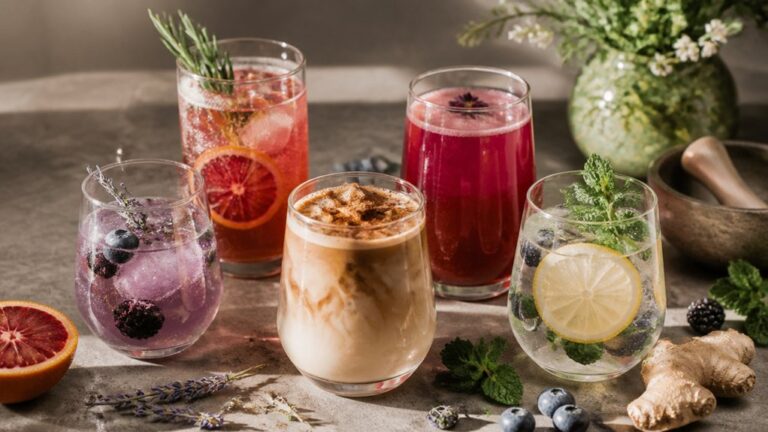
Today’s options pair familiar nutrients with distinctive flavor combinations, such as citrus and ginger or berry and green tea, making functional choices more appealing. Packaging innovations, including resealable cans and clear ingredient panels, can help you compare products and fit them into your routine.
Check sugar, stimulants, allergens, and serving size before choosing; a wellness drink complements healthy habits rather than replacing them.
How Wellness Drinks Have Changed
You once reached for water to hydrate; now you can choose drinks designed to do more. Today’s formulas may pair electrolytes with ingredients linked to focus, gut health, or recovery.
As research and consumer trends evolve, you’ll see wellness drinks move from basic hydration toward targeted functions.
From Basic Hydration
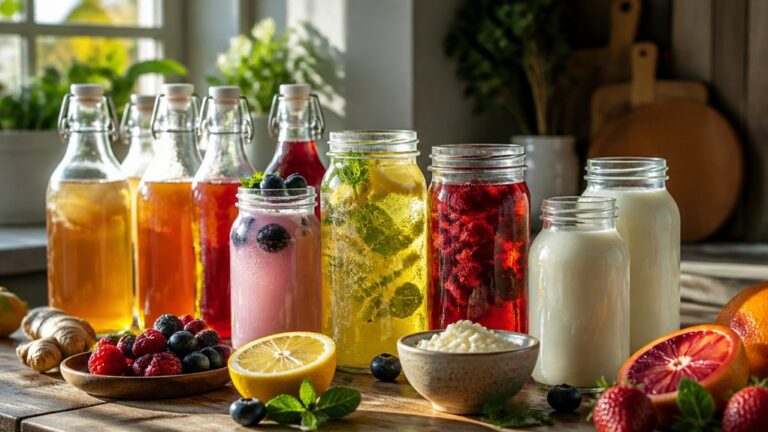
Once hydration meant replacing fluids; now wellness drinks promise targeted benefits, from electrolytes and gut-friendly cultures to adaptogens and added protein.
You’ve moved beyond plain water toward beverages designed around daily routines: a post-workout blend, a cultured sip with lunch, or a protein drink between meetings.
This shift builds on Ancient herbalism and Traditional tonics, which used plants and infusions to support wellbeing, while today’s brands pair familiar ingredients with modern nutrition research.
Labels now highlight hydration alongside fiber, live cultures, minerals, and botanicals, reflecting a broader view of what a drink can contribute.
You can choose options that fit your tastes and habits, but claims still deserve scrutiny: evidence varies by ingredient, dose, and product.
Wellness drinks have become more intentional, turning everyday refreshment into a considered choice.
To Functional Formulas
As nutrition science and consumer tastes evolve, wellness drinks are shifting from broad promises to formulas built around specific goals. You can now choose blends designed to support focus, relaxation, digestion, or recovery, with ingredients selected for defined roles rather than novelty alone.
Adaptogens, botanicals, electrolytes, and nootropics increasingly share a bottle, while transparent labels help you assess doses and evidence. Herbal synergy can pair complementary plant compounds, though meaningful benefits depend on formulation, quantity, and individual response.
Flavor enhancement also matters: citrus, ginger, and botanical notes can balance earthy ingredients without relying on excess sugar. Brands are using fermentation, emulsions, and precise extraction to improve taste, stability, and ingredient delivery.
As the category matures, you gain more targeted options—but claims still deserve scrutiny, and a drink can complement, not replace, healthy habits.
What CBD Drinks Can: and Can’t: Do
CBD drinks have moved from niche novelty to wellness-aisle staple, but their promise needs a reality check. You may find them positioned as tools for calm, focus, or post-workout recovery, yet marketing isn’t proof. Research on CBD efficacy remains limited, and results can vary with dose, product quality, and individual biology.
Don’t expect a canned drink to treat anxiety, pain, or insomnia, or to deliver an instant mood reset. CBD may cause side effects, interact with medications, and affect alertness; check with a healthcare professional before trying it, especially if you’re pregnant or taking prescriptions.
If a formula also includes caffeine or other nootropics, consider Nootropic safety: ingredients can combine unpredictably. Treat wellness claims as hypotheses, read labels, and track how you feel.
A functional drink can complement healthy habits, not replace evidence-based care.
Why CBD Appears in Drinks
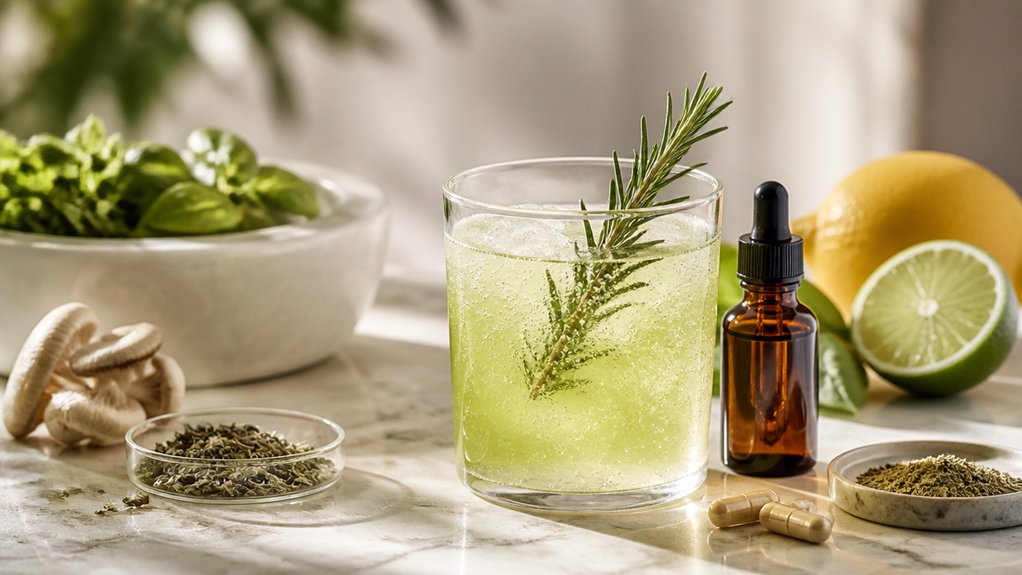
The appeal of CBD drinks lies partly in convenience: they package a hemp-derived ingredient into familiar, ready-to-sip formats that fit the broader shift toward functional beverages. For you, that format makes CBD easy to fold into an existing routine, without capsules or oils.
Brands also use beverages to signal a new kind of wellness: portable, social, and designed for everyday rituals. But the experience depends on more than flavor and packaging. CBD’s interaction with water, stability, and absorption can vary by formulation, so product design matters.
You’ll want to check ingredient sourcing, cannabinoid content, and independent lab results rather than rely on broad claims about CBD benefits. As regulations and evidence evolve, transparent labels help you distinguish thoughtful innovation from trend-driven marketing—and choose drinks that match your preferences and expectations.
Can Nootropics Help You Focus?
Can nootropics sharpen your focus, or do wellness drinks simply make that promise sound effortless? Nootropics are gaining attention for their potential to support attention, working memory, and mental performance. Yet effects depend on the ingredient, dose, formulation, and your individual response; a drink’s sleek branding can’t guarantee results.
If you’re considering a Cognitive boost, check whether claims align with human research and whether the label clearly lists active amounts. Some compounds show promising early evidence, but findings don’t always translate to everyday beverages or sustained benefits.
Memory enhancement also isn’t a switch you can flip: sleep, stress, and health shape how well you think.
Treat these drinks as optional tools, not shortcuts. Track how you feel, watch for unwanted effects, and ask a healthcare professional before trying products that could interact with medication.
What Adaptogens and Other Ingredients Do
As wellness drinks move beyond caffeine and nootropics, adaptogens such as ashwagandha and rhodiola are marketed to help the body respond to stress. These herbal extracts contain bioactive compounds that may influence stress-related pathways, though evidence varies by ingredient and study.
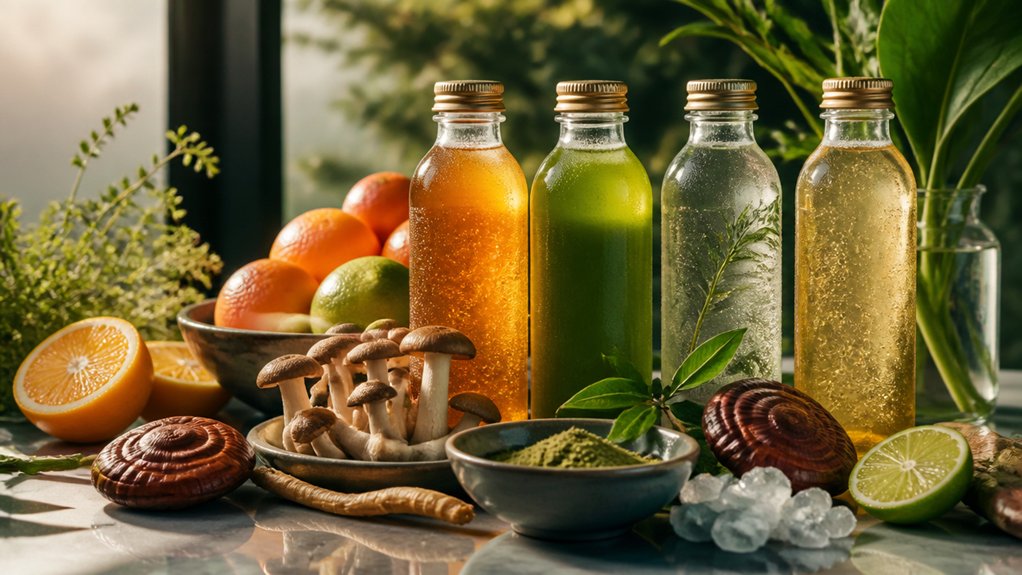
You’ll also see mushrooms like lion’s mane and reishi, alongside botanicals such as tulsi, in blends designed around resilience and balance. Their effects aren’t instant or guaranteed; dose, product quality, and your health all matter.
Formulators increasingly combine ingredients, betting on adaptogen synergy: complementary compounds may create a broader effect than a single extract, but research on these mixtures remains limited.
You can read labels for standardized extracts, transparent amounts, and third-party testing. That scrutiny helps separate evidence-led formulations from wellness language that promises more than science supports.
Which Wellness Drinks Match Your Goals?
Your wellness drink can work like a functional tool, with ingredients and timing shaping how you feel.
For energy, look for options that pair caffeine with supportive compounds such as L-theanine.
To unwind, choose calming blends with ingredients like magnesium or chamomile.
Drinks for Energy
Need more energy? Choose a drink that supports your day without promising a miracle. Green tea and yerba mate deliver caffeine alongside plant compounds, while coffee-based blends pair familiar lift with adaptogens or nootropics. Check labels: ingredient amounts vary, and “natural” doesn’t guarantee a stronger effect.
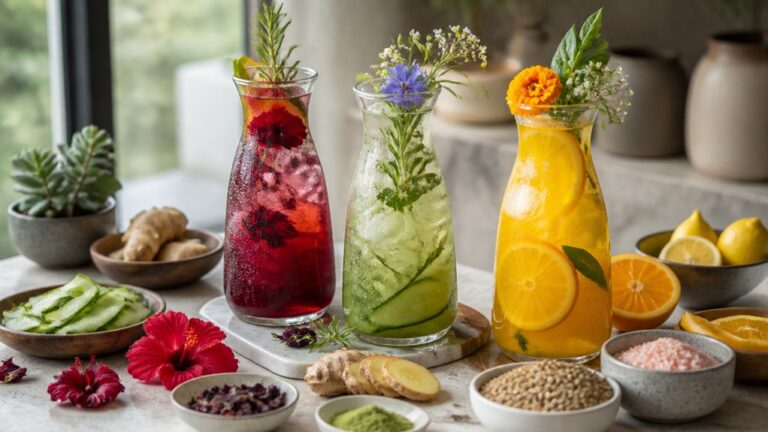
For a gentler option, explore Herbal infusions featuring ginger, peppermint, or rosemary. They’re caffeine-free, yet their bright flavors can make a morning routine feel more invigorating. Some brands also use fermentation processes to create tangy kombucha, which may offer a small caffeine boost when brewed with tea. Read the bottle, since sugar levels can climb.
Match your pick to your goal: sustained focus, a quick spark, or a flavorful alternative to another coffee. Track how you feel, and keep caffeine within your personal limits.
Drinks for Relaxation
When your day winds down, choose a drink that helps you build a calmer routine—not one that promises to switch off stress. Herbal infusions such as chamomile, lemon balm, or lavender offer a caffeine-free ritual; research on these botanicals is still developing, so treat them as supportive, not proven remedies.
You can also explore tart cherry drinks, which contain naturally occurring melatonin, or magnesium-fortified blends, while checking labels and considering your health needs.
Today’s flavor combinations make relaxation feel fresh: try hibiscus with citrus, mint with rooibos, or ginger with chamomile. If you’re curious about CBD beverages, check the dose, third-party testing, and local rules; effects and evidence vary.
Sip slowly, dim screens, and pair your drink with a consistent bedtime routine. Your best choice supports a cue for rest, not a quick fix.
How Brands Make Functional Drinks Taste Better
Functional drinks don’t have to taste like supplements. Brands now use flavor innovation to make wellness feel like a treat, balancing botanicals, minerals, and other active ingredients with bright, familiar flavors. You might find tart citrus lifting earthy adaptogens, or juicy berries softening a bitter botanical finish.
Behind that shift, ingredient sourcing matters: carefully selected extracts can bring cleaner, more consistent flavor, while fermentation and gentle processing may reduce harsh notes. Formulators also draw on sensory science, adjusting acidity, aroma, sweetness, and texture so each sip feels cohesive rather than medicinal.
Instead of masking every functional ingredient with sugar, some brands layer complementary flavors or use subtle natural sweeteners. The result meets your expectations for both taste and purpose, turning a daily wellness routine into something you’ll actually look forward to.
What to Check on a Wellness Drink Label
Once a wellness drink wins you over with flavor, its label can show whether the formula matches its promise. Start with the ingredient list, where you’ll find active compounds, sweeteners, and caffeine—not just the headline botanicals.
Check serving sizes and amounts per serving; a bold front-label number may describe the whole container. Ingredient combinations matter, too: several trendy extracts can sound impressive, but their doses and evidence may differ. Look for clear sourcing and standardized extract details when available, then compare marketing claims with what the ingredients can reasonably support.
A “focus” or “calm” promise isn’t proof of a specific effect. Scan the nutrition panel for added sugar, calories, and stimulants, and note whether the label identifies third-party testing. That quick audit helps you judge the formula, not just its story.
Who Should Be Cautious About Wellness Drinks?
Even a well-labeled wellness drink may not suit everyone. If you’re pregnant, breastfeeding, managing a chronic condition, or taking medication, check with your clinician before trying blends with CBD, adaptogens, caffeine, or nootropics. These ingredients can interact with drugs, affect blood pressure or sleep, and lack robust safety data for some groups.
Your sensitivity matters, too. If you react strongly to stimulants, have anxiety, or experience digestive issues, start cautiously—or skip products with unfamiliar compounds. “Natural” doesn’t mean risk-free, and serving sizes can hide multiple active ingredients.
Potential risks rise when you stack drinks, supplements, and medications. Read consumer warnings, verify third-party testing, and avoid products that promise treatment or disclose vague blends.
Stop use if you notice unexpected symptoms, and seek medical advice. Your smartest wellness trend is informed restraint.
About the Author