Like a compass for changing tastes, the beverage market points toward drinks that do more than quench your thirst. You’ll see adaptogens, botanicals, and prebiotic ingredients alongside personalized flavors, fortified plant milks, and more complex low- and no-alcohol options. Sustainability and convenience are also reshaping packaging and formats. But which of these shifts will earn a lasting place in your routine—and which ingredients are driving the change?
Functional Beverage Trends Go Beyond Hydration
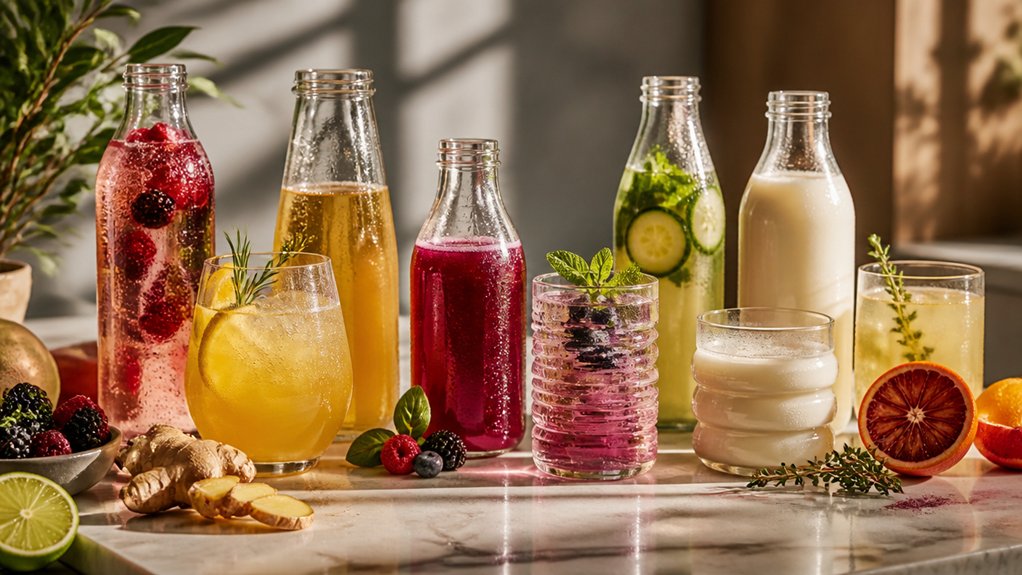
Functional beverages are moving beyond hydration as consumers seek drinks that support energy, focus, gut health, and relaxation. You’ll find brands blending familiar formats with purposeful ingredients, from green tea caffeine and L-theanine to prebiotic fibers, adaptogens, and magnesium. These formulas give you more reasons to reach for a beverage throughout the day, while clear labeling helps you understand what each ingredient contributes.
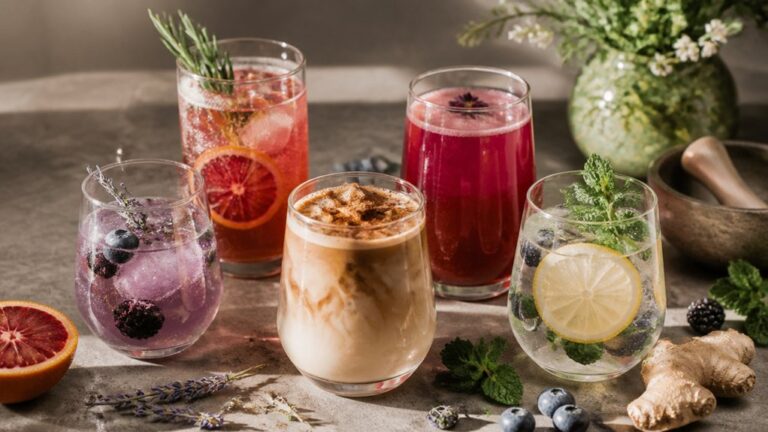
Flavor pairing now plays a strategic role: citrus can brighten botanical notes, while ginger adds warmth to functional blends. Brands also use natural colors, layered textures, and distinctive packaging to strengthen beverage aesthetics and stand out on crowded shelves.
As demand grows, you’ll see companies balance credible benefits with enjoyable taste, convenient formats, and transparent claims. The strongest offerings make function feel like an appealing part of your everyday routine.
Personalized Drinks Match Taste and Nutrition Needs
You can now tailor flavor profiles, from bright citrus to botanical blends, to match your palate.
Brands are pairing those choices with personalized nutrition blends featuring ingredients like protein, fiber, and adaptogens.
As demand for customization grows, your drink can reflect both your taste and wellness goals.
Tailored Flavor Profiles
As consumers seek drinks that fit both their palates and wellness goals, brands are tailoring flavor profiles with adjustable sweetness, functional ingredients, and personalized nutrition.
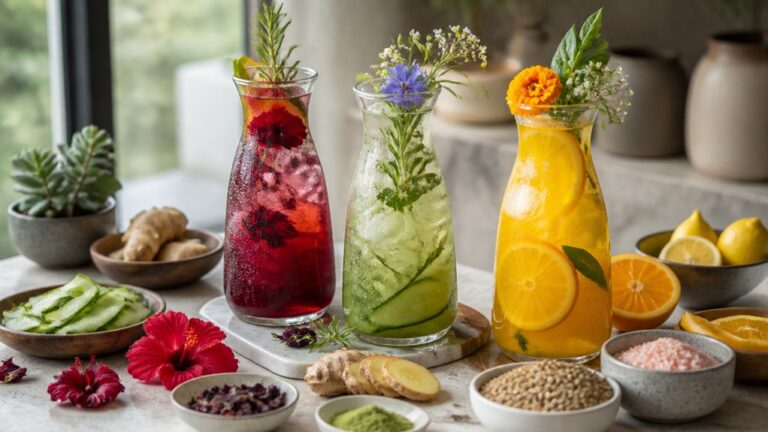
You can now find beverages that balance bright citrus, botanical notes, and subtle spice without relying on excess sugar. Flavor experimentation is pushing brands to pair familiar fruits with ingredients such as ginger, hibiscus, and adaptogens, creating distinctive options for changing moods and occasions.
Meanwhile, sensory enhancement through natural aromas, layered textures, and carefully tuned acidity makes each sip feel more satisfying.
Digital taste quizzes and customizable café menus help you discover combinations that suit your preferences, while limited-edition launches keep shelves fresh.
As shoppers seek choice without compromise, brands that deliver clear flavor cues and consistent quality can build loyalty in a crowded beverage market.
Personalized Nutrition Blends
Beyond tailored flavors, personalized nutrition blends are making drinks more responsive to individual goals and routines. You can choose formulas that support hydration, energy, digestion, or recovery, then adjust nutrients to fit your day.
Brands are pairing protein, fiber, electrolytes, and botanicals with familiar bases, creating practical options without sacrificing taste. Smart flavor combinations balance functional ingredients with fruit, herbs, or spices, so your drink feels enjoyable rather than medicinal.
As demand grows, ingredient sourcing matters: you’ll want clear origins, credible quality standards, and transparent claims. Some companies use quizzes or apps to recommend blends, while ready-to-mix formats make customization convenient.
Expect personalization to move beyond niche wellness shelves as retailers expand targeted offerings. Your best blend should match your preferences, dietary needs, and budget—not just a passing trend.
Prebiotic and Probiotic Drinks Target Gut Health
You’ll find more drinks featuring prebiotic fibers and live probiotic cultures to support a balanced gut microbiome. These formulas make everyday gut support easier to work into your routine.
As demand grows, brands are pairing functional ingredients with familiar flavors and convenient formats.
Microbiome-Friendly Formulas
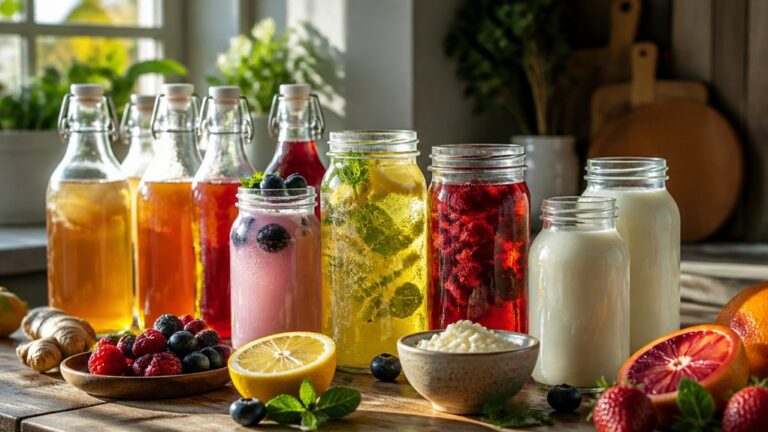
Gut-health drinks are moving beyond kombucha, with brands adding prebiotic fibers such as inulin and chicory root, or live probiotic cultures, to sodas, teas, and sparkling waters.
As you browse shelves, you’ll find formulas pairing these ingredients with fruit extracts, botanicals, and lower-sugar bases to appeal to flavor-conscious shoppers.
Fermentation techniques help brands develop distinctive tastes and preserve live cultures, while clear labeling lets you compare strains, fiber sources, and serving sizes.
Some products highlight microbial diversity, though benefits can vary by formulation and individual response.
The market’s next challenge is balancing credible science with convenient formats and enjoyable flavor.
You’ll see brands compete through transparent sourcing, carefully selected cultures, and creative blends, positioning microbiome-friendly beverages as a fast-evolving category rather than a one-note wellness trend.
Everyday Gut Support
Everyday gut-support drinks are bringing prebiotic fibers and probiotic cultures into familiar formats, from sparkling sodas to ready-to-drink teas. You’ll find chicory root, inulin, and live cultures featured alongside recognizable ingredients, giving functional beverages a more approachable feel.
Brands are refining flavor pairing to balance fiber’s earthy notes and cultures’ tang with citrus, berries, ginger, or botanical extracts.
Ingredient sourcing also matters: transparent labels and carefully selected strains can help you compare products and understand what each drink offers.
As shoppers seek convenient routines, single-serve cans and low-sugar options make daily use easier.
Still, benefits vary by formulation, and live cultures need suitable processing and storage.
Check the label for specific strains, fiber amounts, and serving guidance, so you can choose a drink that fits your taste and wellness goals.
Adaptogens and Botanicals Add New Drink Options
As consumers seek more than refreshment, adaptogens and botanicals are bringing new ingredients—and fresh wellness claims—to the beverage aisle. You’ll find ashwagandha, reishi, and ginseng in sparkling tonics, teas, and ready-to-drink blends, often paired with familiar flavors to make earthy notes more approachable.
Herbal infusions offer a simple way to showcase these ingredients, while Flower extracts such as hibiscus and lavender add color, aroma, and a distinctive taste.
Brands are positioning these drinks around calm, focus, or balance, but claims vary, and evidence for specific benefits remains mixed. Check labels for ingredient amounts, added sugar, and clear sourcing rather than relying on wellness language alone.
For retailers, botanical beverages create premium options and fresh flavor stories; for you, they expand the shelf beyond standard sodas and teas without promising a cure.
Plant-Based Milks Expand Beyond Oat and Almond
You’ll now find plant-based milks made from pistachio, pea, and other emerging sources alongside familiar oat and almond.
Brands are refining flavor and texture while adding protein, fiber, and targeted nutrients.
As shoppers seek variety and function, these options are gaining shelf space.
Emerging Plant-Based Sources
Plant-based milk is moving beyond oat and almond as brands tap into ingredients such as pistachio, macadamia, hemp, and pea. You’ll find each source brings distinct functionality to a crowded category.
Pistachio and macadamia offer premium appeal, while hemp and pea give brands options with different sourcing profiles and uses. Rice, coconut, and cashew remain familiar choices, but newer blends help you discover products tailored to coffee, cooking, or everyday drinking.
For brands, diversification can reduce reliance on a few established crops and create room to stand out on shelves. You may also see plant bases paired with herbal infusions or fruit extracts, extending product concepts without changing their core source.
As shoppers seek variety and retailers widen their ranges, emerging ingredients are turning plant-based milk into a more segmented, competitive market.
Flavor and Nutrition Innovations
Beyond new base ingredients, brands are using flavor and fortification to give plant-based milks a sharper point of difference. You’ll find pistachio, pea, hemp, and blends joining familiar oat and almond options, while vanilla, cacao, matcha, and subtle spice create more distinctive profiles.
Smart flavor pairing balances a base’s earthy, grassy, or nutty notes with ingredients that enhance—not mask—them. For shoppers, added calcium, vitamin D, B12, protein, and fiber can turn a niche alternative into an everyday staple.
Yet fortification only works when taste and texture hold up in coffee, cereal, and smoothies. Clear nutrition labeling helps you compare protein, added sugar, and micronutrients without guesswork.
As competition grows, brands that pair credible nutrition with appealing flavor and practical performance can earn repeat purchases and stand out on crowded shelves.
Global Flavors Make Drinks More Adventurous
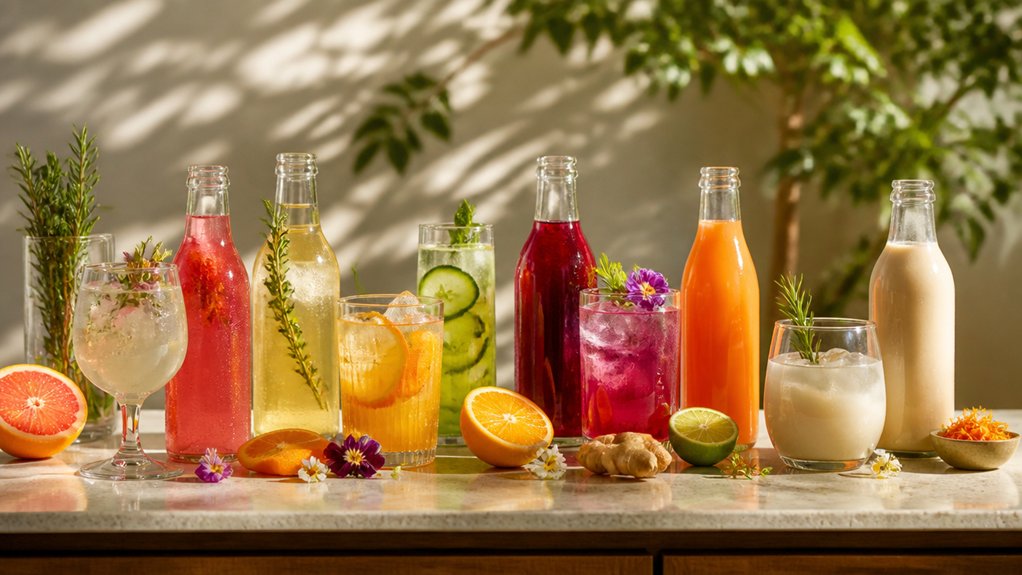
As drinkers seek more distinctive experiences, global flavors are moving from specialty menus into everyday beverages. You’ll find yuzu, calamansi, tamarind, and hibiscus adding bright acidity, layered sweetness, and vivid color to sparkling waters, teas, and ready-to-drink refreshers.
These ingredients give familiar formats a sense of discovery without requiring consumers to change their routines.
Cultural influences shape which flavors gain traction, while thoughtful ingredient sourcing helps brands deliver authenticity and consistent quality. You’ll see companies spotlight regional origins, partner with growers, and adapt traditional ingredients for scalable production.
That balance matters: shoppers want adventurous tastes, but they also expect reliable availability and clear product stories.
For beverage makers, global flavor profiles can distinguish crowded shelves and support limited-edition launches. Expect more pairings, such as guava with chili or ginger with lemongrass, designed to invite repeat purchases.
Low- and No-Alcohol Drinks Find New Fans
Global flavors are also giving low- and no-alcohol drinks fresh appeal, with botanicals, citrus, and spices adding complexity without the alcohol. You can find these ingredients in sparkling aperitifs, hop-forward sodas, and alcohol-free spirits designed for layered, grown-up sipping.
Craft beer makers are expanding their low-alcohol lines, using specialty malts and aromatic hops to preserve body and flavor. Meanwhile, alcohol alternatives such as fermented tea and botanical blends give you more choices for weeknight dinners, social gatherings, and mindful breaks.
Brands are refining sweetness, texture, and bitterness, so these drinks feel deliberate rather than like substitutes. As more consumers moderate their intake, retailers are broadening shelves and restaurants are adding thoughtful pairings.
You can expect innovation to keep pace, with premium ingredients and distinctive profiles helping low- and no-alcohol options win repeat customers.
Sustainable Beverage Packaging Shapes Choices
When shoppers weigh what’s inside a drink, its packaging can shape the choice too. You may favor brands that pair clean-label ingredients with materials designed to reduce waste. Recyclable packaging gives you a familiar option, especially when labels explain local sorting rules and caps stay attached. Lightweight cans and bottles can also lower shipping weight, helping beverage makers manage costs and emissions.
Biodegradable containers are gaining attention, but you’ll want clear details about how and where they break down. Compostable claims don’t guarantee that a package belongs in your home compost bin.
As you compare sparkling waters, functional drinks, and low-alcohol options, check material claims alongside nutrition and flavor. Brands that make disposal simple can earn trust and stand out on crowded shelves. Packaging now signals values as well as convenience, influencing what you pick and buy again.
Upcycled Ingredients Turn Waste Into Refreshment
Upcycled ingredients are giving beverage makers a fresh way to cut food waste and add distinctive flavors. When you choose drinks made with surplus fruit, citrus peels, coffee grounds, or whey, you support waste reduction while discovering flavors that stand out.
These rescued ingredients can bring bright acidity, roasted depth, natural sweetness, or a creamy texture to sparkling drinks, teas, and plant-based blends.
For brands, ingredient innovation turns overlooked byproducts into marketable assets and helps answer your demand for products with a clear sustainability story. Look for transparent labels that explain where ingredients come from and how makers use them; credible sourcing matters as much as a compelling claim.
As upcycling moves from niche experiments into broader product lines, you’ll see more beverage makers balancing distinctive taste, reliable supply, and measurable environmental benefits.
Ready-to-Drink Beverages Fit Busy Lives
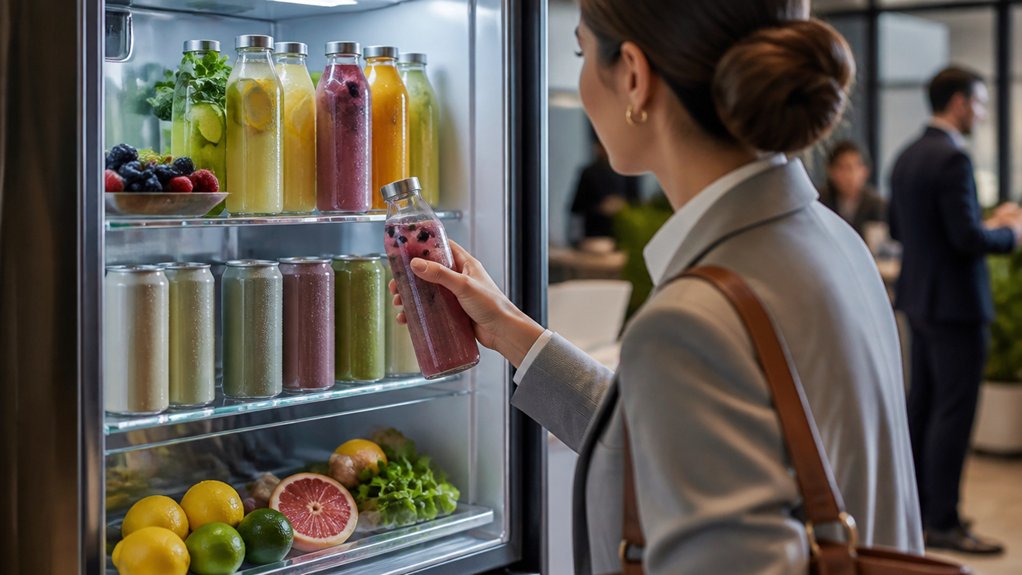
Beyond ingredient innovation, convenience is reshaping beverage choices. When your schedule’s packed, ready-to-drink beverages offer quick hydration without sacrificing flavor or quality. You’ll find cold-brew coffee, sparkling teas, protein shakes, and botanical sodas in portable cans and bottles, with ingredients that match your priorities: low sugar, functional benefits, or recognizable plant extracts.
Brands are also refining formats and recipes to stand out in a crowded market. You can choose recyclable packaging, caffeine levels suited to your routine, and crisp flavors made for ice-cold refreshment.
Premium mocktails and canned cocktails bring the same ease to social occasions, turning party staples into grab-and-go options. As convenience continues to drive purchasing, expect more variety, clearer ingredient labels, and thoughtfully balanced drinks that fit your day—from commute to celebration.
About the Author