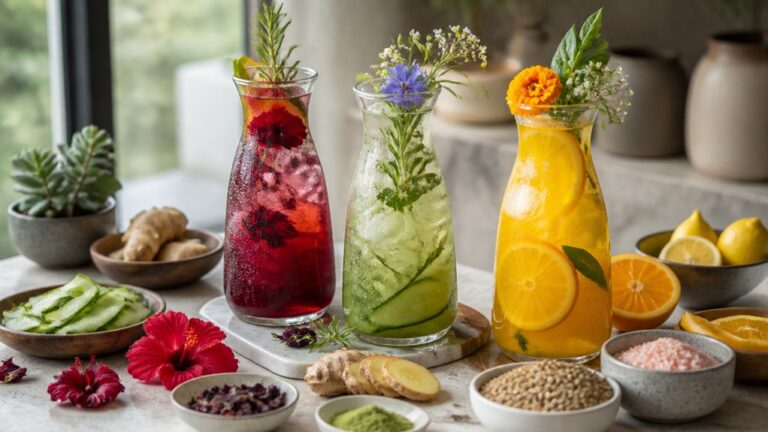

When you choose an adaptogenic drink, you’re looking beyond caffeine or flavor to ingredients marketed for stress, focus, or sleep support. That shift is changing how brands formulate functional beverages, with clearer labels, more precise dosing, lower sugar, and convenient cans and powders. Yet the science behind these claims varies, and product quality matters. So how can you tell a thoughtful formulation from a wellness promise in a can?
What Makes a Drink Adaptogenic?

A drink is considered adaptogenic when it contains ingredients—such as ashwagandha, rhodiola, or reishi—that may help the body respond to stress. These botanicals have distinct histories and chemical profiles, so you shouldn’t assume they work alike. Researchers study their active compounds and potential effects, but evidence varies by ingredient, preparation, and outcome.
“Adaptogenic” isn’t a standardized regulatory category, either; the label alone doesn’t prove a drink delivers a specific benefit.
Cultural influences shape how you encounter these ingredients, from traditional wellness practices to contemporary product claims. Consumer perceptions also depend on taste, transparency, and trust in the science.
Check the ingredient list, serving amounts, and research behind any claims. You’ll make a more informed choice when you distinguish a carefully characterized botanical from a broad promise of stress support.
How Are Adaptogens Changing Drink Formulas?
You’ll see formulators pair adaptogens with complementary herbs, guided by evidence on taste and ingredient compatibility.
They’re also reducing sugar with sweeteners and processing techniques that preserve balance.
The result: functional flavor profiles that make wellness-focused drinks more appealing to you.
Herbal Ingredient Pairings
As consumers seek function as well as flavor, beverage makers are pairing adaptogens such as ashwagandha, reishi, and rhodiola with familiar ingredients like green tea, citrus, and ginger. These combinations can make botanical formulas more approachable while creating distinct sensory profiles.
For you, green tea’s gentle bitterness may complement earthy herbs, while citrus brightens aroma and ginger adds warmth. This Herbal synergy also gives formulators opportunities to build layered drinks around ingredient compatibility, taste, and intended use.
Careful flavor balancing matters because adaptogens can bring bitter, woody, or pungent notes that dominate a blend. Developers test extracts, steeping methods, and ingredient ratios to refine aroma and mouthfeel without obscuring each component.
When brands explain why ingredients pair well, you can better understand a drink’s character and choose formulas that suit your preferences. Research into interactions continues to guide thoughtful product design.
Sugar Reduction Strategies
Flavor pairing can also help beverage makers reduce sugar without sacrificing appeal. Adaptogens bring earthy, bitter, or botanical notes that can add complexity, letting formulators rely less on sweetness to create a satisfying drink. You’ll see this strategy paired with precise sweetness adjustments rather than a one-size-fits-all substitute.
To lower Sugar content, brands can combine modest amounts of juice or cane sugar with nonnutritive sweeteners, fibers, or naturally sweet ingredients. Each choice affects taste, texture, stability, and consumer expectations, so developers test formulas for both sensory quality and shelf life.
Transparent ingredient sourcing matters, too: you can check where sweeteners and adaptogens come from and how they’re processed. Clear labeling helps you compare products and understand what’s in each serving.
As research and formulation tools advance, brands can reduce added sugar while keeping functional drinks enjoyable and consistent.
Functional Flavor Profiles
When formulators add adaptogens to drinks, they must balance each ingredient’s distinctive taste with the flavor consumers expect. Ashwagandha can taste earthy or bitter, while reishi brings woody notes. Masking these with excess sugar can undermine a lighter formula.
Instead, you can use citrus, ginger, botanicals, or carefully selected acids to complement those flavors and improve balance. Flavor innovation also depends on extraction methods, ingredient quality, and how adaptogens interact with sweeteners and other functional components.
Bench testing helps teams refine aroma, texture, and aftertaste before launch. Through clear Consumer education, you can explain why a drink tastes herbal and what its ingredients contribute, without overstating benefits.
Familiar flavor cues, transparent labels, and thoughtful sampling help consumers try new profiles with confidence and choose beverages that suit their preferences.
What Can Adaptogenic Drinks Actually Do?

Adaptogenic drinks may help support the body’s response to stress, but their effects depend on the ingredients, dose, and person.
Some formulas use ashwagandha, rhodiola, or other botanicals studied for stress-related outcomes. Evidence varies: research often examines specific extracts, not finished beverages, and results don’t guarantee that you’ll notice a benefit.
Your response may also depend on health, medications, and regular use.
Check the label for botanical names, extract amounts, and added caffeine or sugar. These details help you compare products and discuss potential interactions with a healthcare professional.
Don’t treat an adaptogenic drink as a substitute for sleep, balanced nutrition, or medical care.
Cultural influences shape how people use these plants, while consumer perceptions can exceed what current evidence supports.
Look for transparent sourcing and claims grounded in research.
Why Are Adaptogenic Drinks Gaining Popularity?
Despite uncertain benefits, adaptogenic drinks are gaining popularity as consumers seek convenient, lower-alcohol or caffeine alternatives that fit wellness routines. You can find them in ready-to-drink cans, powders, and café menus, making experimentation easy.
Their appeal also reflects demand for products that connect everyday choices with stress management, focus, or sleep, even though evidence for specific effects remains limited.
Cultural influences shape how brands tell these stories: traditional ingredients such as ashwagandha and reishi meet modern flavors and formats. Clear sourcing and transparent labeling can help you assess claims and choose products that suit your preferences.
Market segmentation lets companies tailor offerings to wellness newcomers, ingredient-conscious shoppers, and people seeking alcohol-free social options. As innovation expands, your interest may depend on taste, convenience, price, and credible information—not promises of guaranteed results.
How Do Adaptogenic Drinks Compare With Energy Drinks?
When you compare these drinks, consider whether you want a quick lift or support for stress and focus.
Energy drinks typically rely on caffeine and other stimulants, while adaptogenic blends use botanicals whose effects may vary by ingredient and person.
Check the formula and timing to choose what fits your needs.
Purpose and Effects
If you want a lift without the sharp jolt, adaptogenic drinks and energy drinks serve different purposes. Energy drinks aim to increase alertness quickly, often through caffeine, while adaptogenic drinks typically promise a steadier sense of balance or support for stress management.
Their effects vary by formulation and person, and evidence for many adaptogens remains limited; don’t treat marketing claims as proven outcomes.
You can choose based on the experience you want: a rapid boost for a demanding task or a gentler ritual that fits your day. Mindfulness routines may shape how you use a drink, while cultural influences inform what people expect from wellness products.
New beverage designs increasingly blend sensory appeal with functional positioning, but your response matters more than the label. Track how you feel, and consult a health professional if you have concerns.
Ingredients and Timing
Ingredients and timing set these drinks apart: energy drinks often rely on caffeine for a noticeable lift within about 15–60 minutes, while adaptogenic drinks may combine herbs such as ashwagandha or rhodiola with tea, caffeine, or other ingredients.
Your experience depends on the formula, dose, and how your body responds; adaptogens aren’t proven to deliver an immediate energy boost.
Some blends pair botanicals with caffeine to balance alertness and support a steadier routine, though evidence varies by ingredient.
Herbal synergy is a formulation goal, not a guaranteed effect, so check labels for amounts and interactions.
Ingredient sourcing also matters: standardized extracts and transparent origins help you assess quality.
Choose products that disclose caffeine content, follow tested serving guidance, and fit your schedule.
If you’re sensitive to stimulants, consider caffeine-free options and consult a clinician about medications or health conditions.
Which Flavors and Formats Are Gaining Ground?
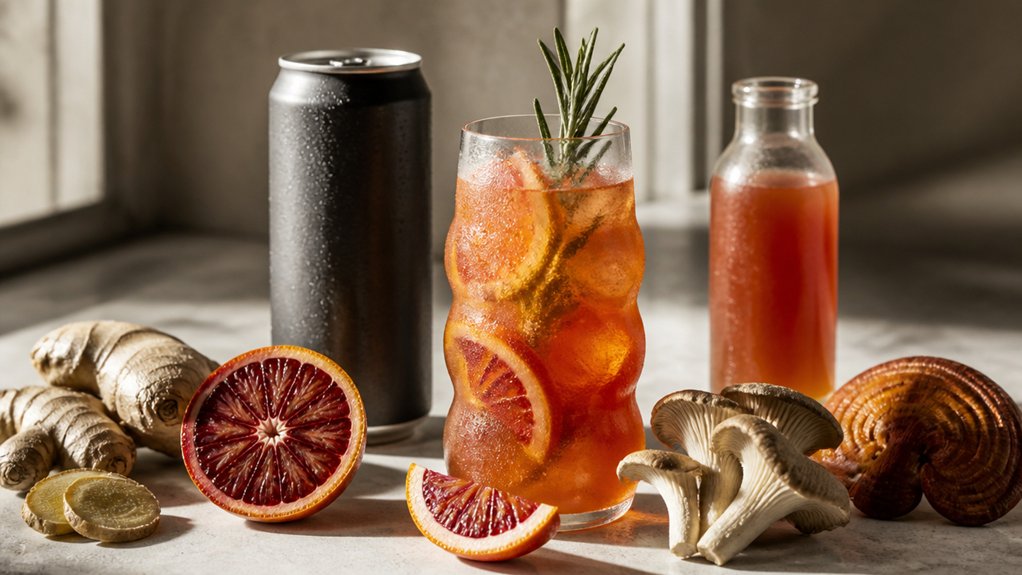
As adaptogenic drinks move beyond niche wellness shelves, brands are pairing familiar flavors—citrus, berry, ginger, and botanical blends—with formats built for everyday routines. These profiles can soften earthy notes from roots and mushrooms, helping you enjoy functional ingredients without sacrificing taste.
Exotic fruit, such as passion fruit or yuzu, adds bright acidity and a distinctive sensory edge, while measured sweetness keeps many options approachable.
You’ll find these blends in ready-to-drink cans, sparkling waters, powders, and concentrated shots. Each format suits a different moment: cans offer convenience, powders let you control dilution, and shots deliver compact servings.
Innovative packaging can protect sensitive ingredients from light and oxygen, supporting product stability while making portions easy to carry. Clear labels also help you compare serving sizes, flavor cues, and ingredient amounts before choosing a drink that fits your routine.
What’s Next for Adaptogenic Drinks?
The next wave of adaptogenic drinks will likely pair familiar formats with more precise formulation. You may see sparkling waters, ready-to-drink teas, and powders designed around clearly defined ingredients and serving sizes.
Better testing could help brands verify ingredient identity, consistency, and safety, while research may clarify how specific botanicals interact with stress and sleep pathways. These advances won’t make every wellness claim credible, so you’ll still need transparent labels and evidence-based explanations.
Market expansion will depend on earning your trust across more occasions, price points, and retail channels. Consumer education can help you distinguish traditional use from proven effects and understand that responses vary.
Expect brands to explain sourcing, doses, and limitations in plain language. As standards mature, thoughtful innovation—not bigger promises—will shape which adaptogenic drinks deserve a place in your routine.
About the Author