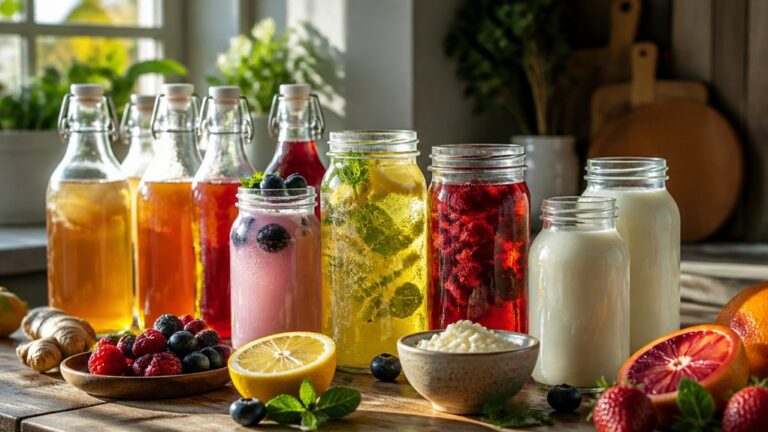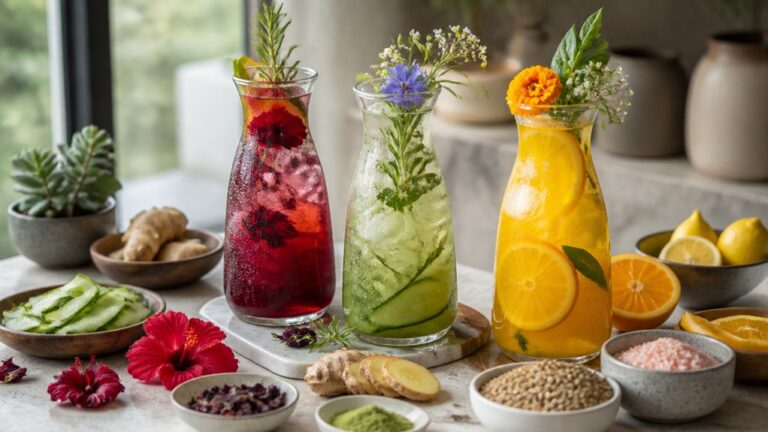
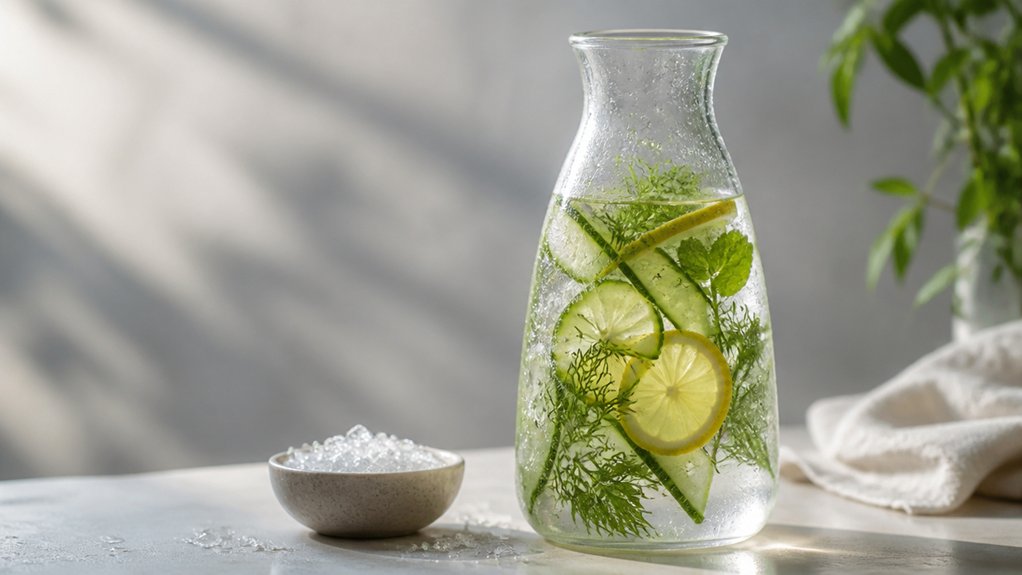
You can now choose hydration drinks that pair electrolytes with botanical infusions, bringing fluid, minerals, and plant-derived flavor into one bottle. Electrolytes such as sodium and potassium help maintain nerve and muscle function, especially during prolonged exercise or heat exposure, while herbs and citrus can make regular sipping more appealing. But these ingredients don’t make every drink equally useful. What matters depends on your activity, the formulation, and what the label leaves out.
Why Try Botanical Hydration Drinks?
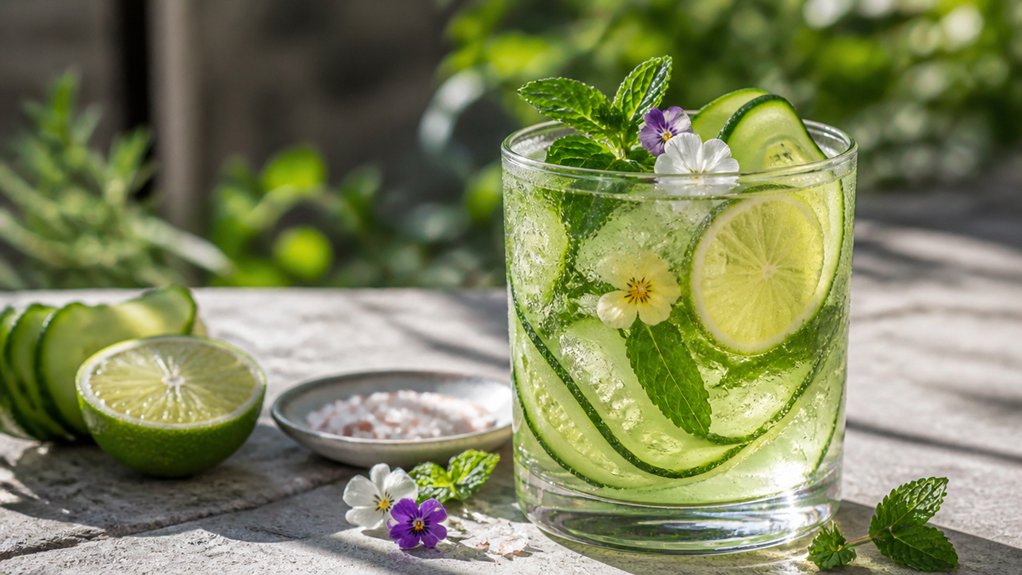
Botanical hydration drinks pair water with plant-derived ingredients such as hibiscus, mint, or ginger, adding distinctive flavors and naturally occurring compounds without relying on artificial flavorings. You can choose blends that suit your palate, whether you prefer tart, cooling, or warming notes.
Carefully selected botanicals create Herbal synergy: complementary aromas and phytochemicals can make a drink more appealing, though their effects vary by ingredient and preparation. Flavor enhancement may also help you enjoy plain water more consistently, supporting a practical hydration routine.
Look for transparent ingredient lists and products that identify plant sources, concentrations, and added sugars. You’ll get the most value when a botanical infusion fits your taste and dietary needs, rather than promising unverified health benefits.
Try different steeping times and serving temperatures to find a balanced profile you’ll want to drink regularly.
What Do Electrolytes Do?
Electrolytes such as sodium and potassium help regulate how water moves between your cells and blood. They also support nerve signaling by maintaining electrical gradients across cell membranes.
In your muscles, those signals help trigger contraction and relaxation.
Fluid Balance
When you sweat, urinate, or breathe, you lose water and electrolytes—charged minerals such as sodium, potassium, and chloride. Your body maintains fluid balance by regulating how much water stays inside cells and how much circulates in blood.
Sodium helps control water distribution outside cells, while potassium supports balance within them. Your kidneys adjust electrolyte and water excretion, and hormones fine-tune this process as your intake and losses change.
Hydration science shows that replacing fluids alone may not restore balance after substantial sweating; electrolyte needs depend on activity, heat, and individual losses. For everyday hydration, varied foods usually supply enough minerals, while prolonged exercise may call for a drink containing sodium.
Botanical benefits can add flavor and encourage drinking, but herbal infusions don’t automatically replace electrolytes. Choose fluids to match your conditions, not marketing claims.
Nerve Signaling
Beyond maintaining fluid balance, electrolytes help your nerves transmit signals. Sodium and potassium ions move across neuronal membranes through selective channels, creating the electrical gradients that drive nerve signaling. When a stimulus arrives, these ions shift in a coordinated sequence, generating an action potential that travels along your nerve cell.
Calcium also matters: its entry at nerve endings helps trigger the release of chemical messengers, while chloride contributes to membrane stability and signal control.
Your electrolyte levels support neurotransmitter regulation by influencing how neurons release, receive, and clear these messengers. The relationship is precise, not a simple “more is better” equation; both deficits and excesses can disrupt normal electrical activity.
You can support this system with adequate fluids and a varied diet, while recognizing that needs differ with health, medications, and environmental conditions.
Muscle Function
During each contraction, calcium enables muscle fibers to interact, while sodium and potassium generate the electrical signals that initiate and coordinate that action. You rely on this tightly regulated exchange to produce force, sustain movement, and relax muscles between efforts.
Chloride also helps stabilize electrical activity, while magnesium supports calcium handling and energy-dependent processes. Sweating shifts water and electrolyte balance; replacing losses can help maintain normal muscle function, especially during prolonged exercise or heat exposure.
Your needs vary with sweat rate, diet, activity, and health, so hydration isn’t one-size-fits-all. Pair fluids with balanced meals to support Nutrient absorption and replenish minerals through food or, when appropriate, an electrolyte drink.
Adequate intake supports Muscle recovery, but electrolytes won’t prevent every cramp or replace rest, carbohydrates, protein, and sound training. Choose products based on evidence, not exaggerated claims.
What Botanicals and Herbs Are Common?
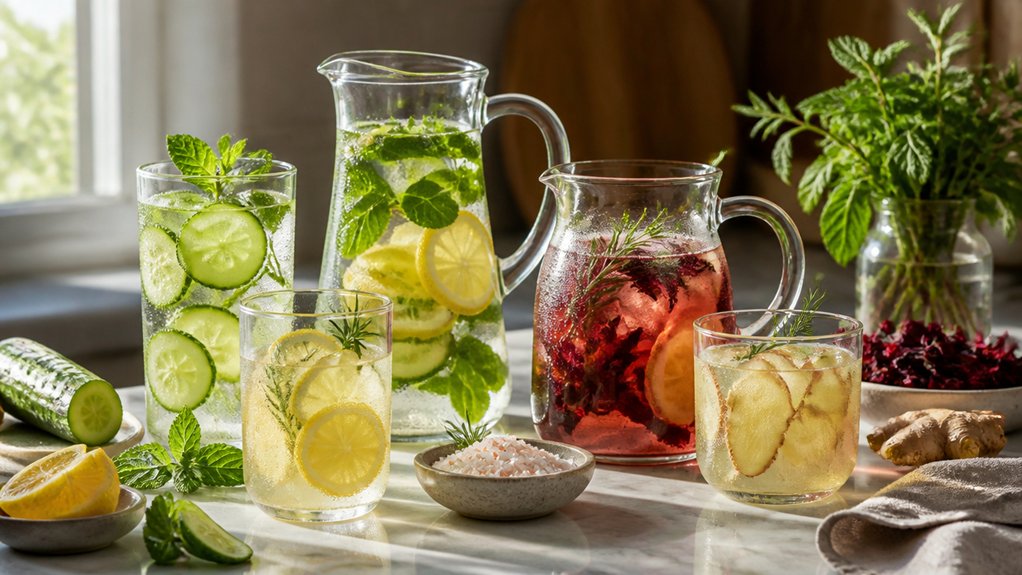
You’ll commonly find mint and peppermint in infusions, where their aromatic compounds contribute cooling flavor. Hibiscus and rose add floral notes, while ginger and turmeric supply pungent compounds such as gingerols and curcuminoids.
These botanicals can make water more appealing, but they don’t replace electrolytes lost through sweat.
Mint and Peppermint
Mint and peppermint add a cooling aroma and flavor to botanical infusions, with peppermint generally delivering a stronger menthol note. When you steep fresh leaves or dried material, water extracts volatile compounds such as menthol and carvone, shaping aroma and perceived freshness.
You can adjust steep time and leaf quantity to tune intensity without adding sugar. These herbs pair well with citrus, ginger, or green tea; such herbal synergy can broaden flavor profiles while keeping mint’s cooling character distinct.
Research on peppermint’s sensory and digestive effects doesn’t prove that mint-infused water improves hydration beyond plain water, so treat it as a flavor option, not a therapeutic claim.
Choose clean, food-grade leaves, rinse fresh mint, and refrigerate prepared infusions promptly. If you’re sensitive to mint or reflux, start with a mild brew.
Hibiscus and Rose
Beyond mint’s cooling profile, hibiscus and rose bring tart, floral notes to infused water. You can steep dried hibiscus calyces for a vivid red infusion; their organic acids create a tangy taste, while anthocyanins contribute the color. Hibiscus benefits include antioxidant compounds, though a flavored drink shouldn’t replace medical care or guarantee health outcomes.
Add food-grade rose petals or a small amount of culinary rosewater for a softer aroma. Rose symbolism often links the flower with beauty and affection, but its sensory role matters here: volatile aromatic compounds shape fragrance and perceived sweetness.
You can balance both botanicals with chilled water and citrus, then adjust steeping time to control intensity. Choose clean, food-grade ingredients, and strain petals before serving. Their color and aroma make hydration more engaging without added sugar.
Ginger and Turmeric
When you steep ginger and turmeric in water, their aromatic compounds create a warming, earthy infusion. Ginger’s pungent notes come largely from gingerols, which can transform into shogaols during drying or heating. Ginger benefits may include support for nausea relief, though effects depend on dose and preparation.
Turmeric contributes curcumin and related curcuminoids; turmeric properties include antioxidant and anti-inflammatory activity observed in research. However, evidence for brewed water remains limited because curcumin dissolves poorly in water.
You can pair these roots with citrus or black pepper for layered flavor; pepper’s piperine may enhance curcumin absorption in some formulations. For hydration, treat the infusion as a flavorful, caffeine-free option, not a therapeutic substitute.
Fresh or dried roots steep differently, so adjust amounts and time to balance intensity, taste, and tolerance.
How Do Citrus and Floral Notes Shape Flavor?
A squeeze of citrus can sharpen an infusion’s flavor, while floral notes soften its edges and add aromatic complexity. Citrus zest contributes volatile oils, especially limonene, that create bright, fresh top notes. You’ll notice these aromas before tasting, shaping your expectation of crispness and refreshment. Citric acid adds a tart cue that can balance sweetness and make a drink seem more vivid.
A floral aroma brings different signals. Compounds such as linalool in lavender and geraniol in rose can lend delicate, perfumed notes. Used carefully, they complement citrus without making the blend taste soapy or overpowering.
You can pair lemon with hibiscus for tart-fruity depth, or orange with rose for a rounder profile. Temperature and steeping time affect extraction, so adjust both to preserve volatile aromatics and maintain a clean, balanced finish.
What Should You Check on the Label?
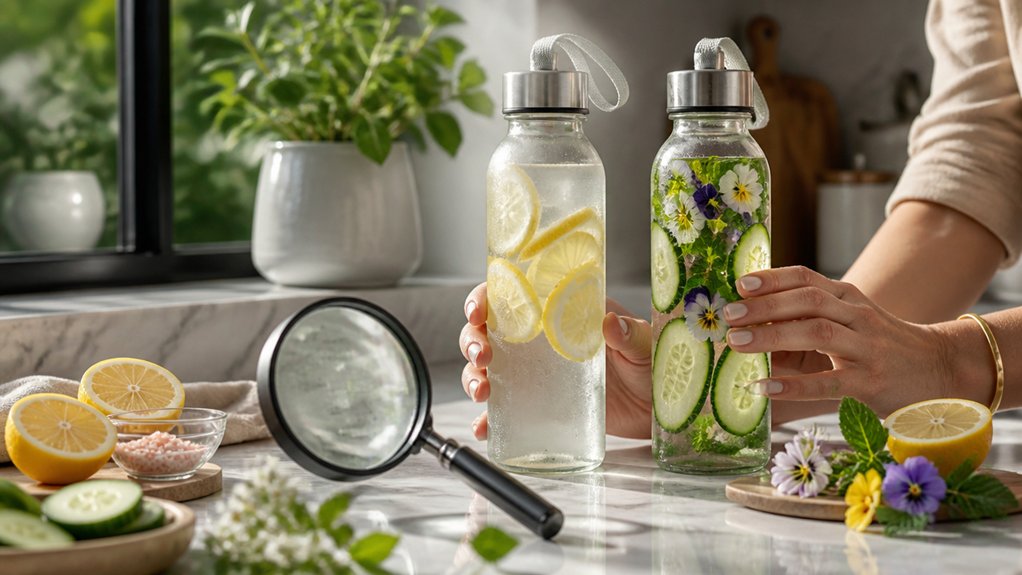
Flavor cues can guide your blend, but the label tells you what’s actually in it. Read ingredient labels to identify each electrolyte, botanical extract, sweetener, and additive. Ingredients appear in descending order by weight, so the first entries make up the largest share.
Check whether a botanical is named precisely and whether the label states its extract amount; a plant’s presence alone doesn’t reveal its dose. Compare serving sizes with the nutrition panel, since values apply to the stated portion, not necessarily the whole container.
Note sodium, potassium, and added sugars per serving, and check for caffeine or other stimulants if listed. Look for clear units and standardized amounts rather than vague blend claims.
If you have allergies or take medication, review warnings and consult a qualified health professional about relevant ingredients.
How Do You Choose a Drink for Your Routine?
Choose a drink based on your activity, environment, and fluid losses—not on botanical claims alone. For desk work or brief errands, water usually meets your needs; taste can help you drink consistently.
During longer outings, consider portability, temperature, and access to refill points. Match volume to your schedule rather than forcing a fixed intake.
Flavor combinations, such as citrus with ginger or cucumber with mint, can make unsweetened options more appealing. Check whether added sugars or stimulants suit your preferences and health needs.
Packaging innovations—including lightweight, resealable bottles and concentrated formats—may reduce carrying weight and waste, but compare materials and reuse guidance.
If you’re testing a botanical infusion, introduce one ingredient at a time and track taste, tolerance, and convenience. Choose the option you’ll reliably carry and finish.
When Do You Need Electrolytes?
For routine daily activity, water and meals usually replace the fluid and electrolytes you lose. You may need targeted electrolyte replenishment when prolonged, vigorous exercise, heat exposure, or heavy sweating increases sodium and fluid losses.
During sessions lasting over an hour, especially in hot conditions, a drink containing sodium can support fluid retention; your needs depend on sweat rate, diet, and intensity.
Don’t assume cramps alone signal an electrolyte deficit, since fatigue and discomfort have many causes.
If vomiting or diarrhea persists, oral rehydration solutions can help replace water and salts; seek medical advice for severe symptoms or underlying conditions.
Botanical infusion benefits may include flavor and plant-derived compounds, but they don’t automatically provide meaningful electrolytes.
Check product labels for sodium content, and choose a strategy suited to your activity and health needs.
How Do Botanical Drinks Compare With Water?
When you’re thirsty, water remains the reliable standard: it hydrates without added sugar, stimulants, or calories. Botanical drinks can also contribute to fluid intake, but their effects depend on ingredients and formulation.
Unsweetened infusions generally hydrate much like water; extracts or added sugars may change their nutritional profile without reliably improving hydration.
For you, flavor enhancement can make plain fluids more appealing, while color and aroma add aesthetic appeal. These sensory qualities may encourage drinking, yet they don’t make botanicals physiologically superior to water.
Evidence for specific plant compounds varies, and some ingredients can interact with medicines or cause sensitivity. Check labels for caffeine, sweeteners, and concentrated extracts, especially if you’re monitoring intake.
Choose products based on taste, ingredients, and tolerance; treat water as your baseline, and view botanical beverages as flavorful alternatives rather than hydration upgrades.
How Can You Add Botanical Drinks to Your Day?
Since botanical drinks hydrate much like water, you can fit them into your day as flavorful options rather than special-purpose fluids. Pour chilled herbal infusions with breakfast, keep a lightly brewed bottle at your desk, or serve a caffeine-free blend alongside dinner.
For reliable hydration, choose unsweetened products and count their fluid toward your daily intake.
Use flavor enhancement to make plain water more appealing: steep citrus peel, mint, ginger, or culinary herbs, then chill the drink for a convenient infusion. Start with modest steeping times; volatile aroma compounds can fade with heat or prolonged storage.
Check labels for added sugars, caffeine, and concentrated extracts, which may affect suitability or intake. If you take medication or have a health condition, ask a clinician about specific botanicals.
Rotate ingredients to explore flavor while keeping water your everyday baseline.
About the Author