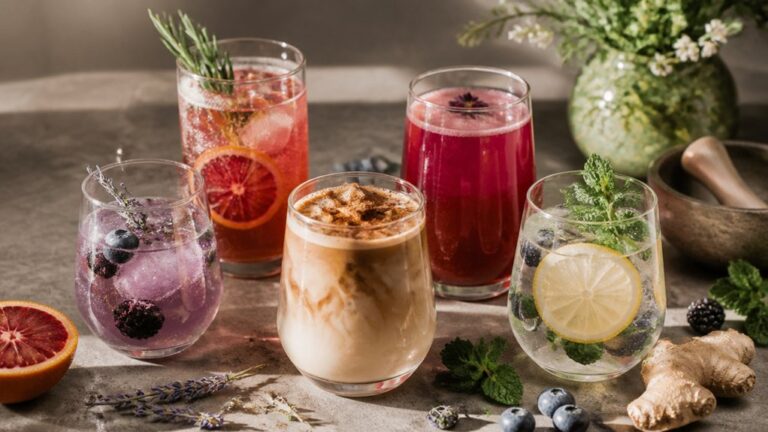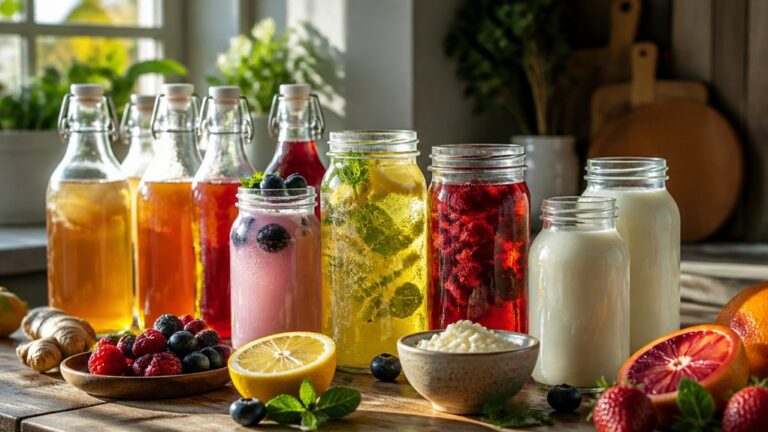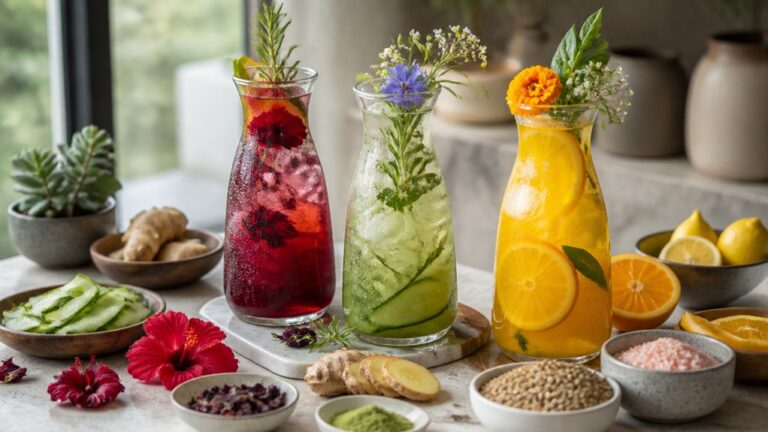
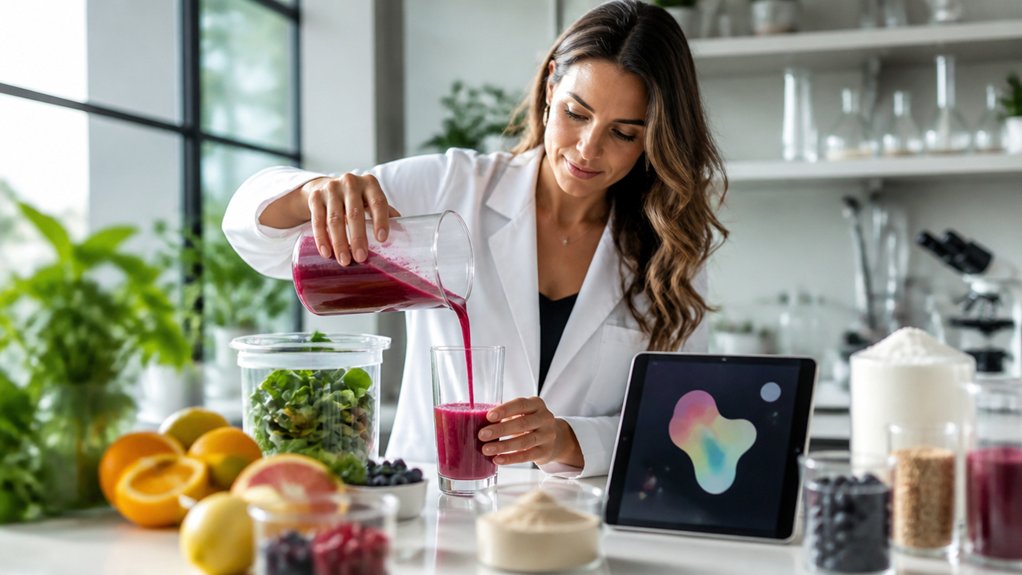
Personalised nutrition is changing how you choose and how brands develop beverages, using preferences, health goals, and sometimes biomarker data to guide formulation. Advances in data analysis and flexible manufacturing let brands tailor nutrients, flavours, and formats more precisely, while science helps them assess whether those choices deliver meaningful benefits. But turning individual insights into safe, affordable products at scale raises difficult questions—and the answers could reshape what you expect from a drink.
What Is Personalised Nutrition in Beverages?
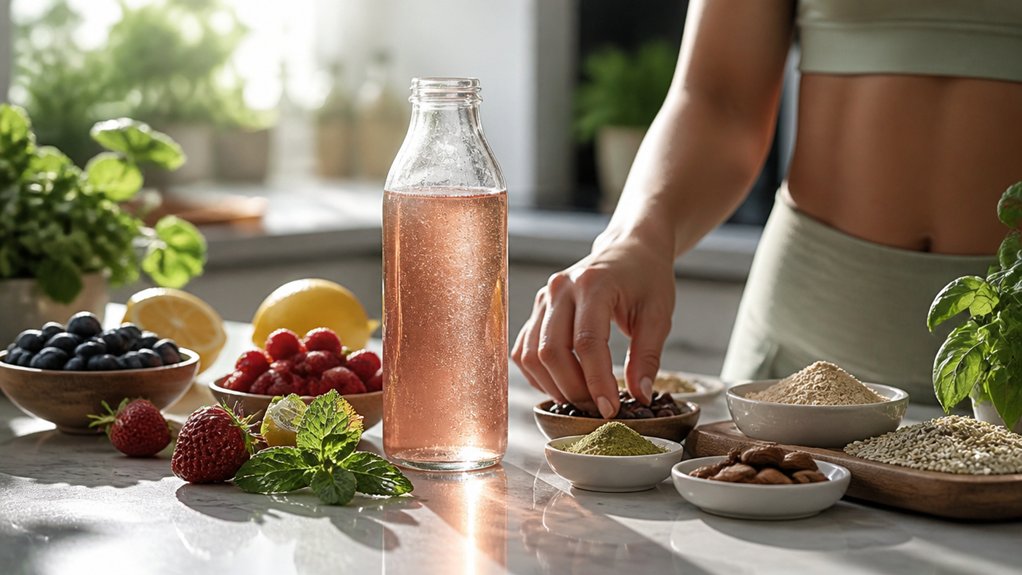
Personalised nutrition in beverages uses individual data—such as dietary needs, health goals, preferences, and, in some cases, biomarkers—to guide a drink’s ingredients or nutrient profile. In practice, you can think of it as designing a beverage to better fit your nutritional requirements, rather than offering one formula for everyone.
Nutritional customization may adjust amounts or types of nutrients, such as protein, fibre, vitamins, or electrolytes, while respecting safety limits and relevant regulations.
Flavor personalization can shape taste, sweetness, aroma, and texture so the drink remains appealing as its composition changes.
These approaches don’t guarantee health outcomes; their value depends on sound evidence, appropriate formulation, and clear claims.
Advances in ingredient science and flexible manufacturing now let developers create more targeted products without sacrificing consistency, quality, or sensory performance.
How Does Consumer Data Personalise Drinks?
When you share information about your diet, goals, preferences, or activity, drink developers can use it to guide a product’s nutrient levels, ingredients, and flavor profile. Your purchase history, taste ratings, and responses to product trials can reveal which attributes matter most.
Developers can analyze these signals alongside nutrition research to identify patterns, then test formulations against measurable targets such as sugar content, protein, or caffeine. You can also opt into feedback programs that help companies refine recipes over time.
This data can support Flavor innovation by linking sensory preferences to ingredient choices, while helping teams assess which concepts merit further testing. It can also inform branding strategy: clear, relevant claims can explain how a drink aligns with your stated needs.
Responsible programs should protect your privacy and explain how they use your data.
What Do Personalised Drinks Look Like?
Those data signals can translate into drinks tailored to your nutritional targets, taste preferences, or routine. You might receive a ready-to-drink beverage with a selected sweetness level, flavor profile, or serving size, rather than a one-size-fits-all formula.
Flavor innovation can make personalization more engaging: brands can offer adjustable flavor intensity or limited combinations informed by your stated preferences, then test whether you choose them again.
The product experience can extend beyond the liquid. With packaging customization, you may see your name, preferred serving instructions, or a digital code linking to your formulation details.
Connected labels can also clarify how a drink fits your goals without making unsupported health claims. These formats turn personalization into visible, usable choices while giving producers measurable feedback on acceptance, repeat selection, and practical fit.
Which Ingredients Fit Different Beverage Goals?
Which ingredients fit a drink depends on the goal you’re designing for. For hydration, you might combine water with sodium and potassium, which support fluid balance; match electrolyte levels to the intended use rather than assuming more is better.
For protein delivery, select soluble proteins that suit the drink’s pH and processing conditions, then test for sedimentation and texture.
If you’re targeting digestive health, choose a defined prebiotic fibre and verify its stability and tolerability at the serving dose.
Flavor pairing can help balance functional ingredients: citrus may mask mineral notes, while cocoa can complement some protein profiles.
You’ll also need to assess sweetness, acidity, solubility, and interactions during shelf life.
Ingredient sourcing matters: confirm identity, purity, allergen status, and supplier documentation so each choice supports the beverage’s nutritional goal.
How Can Brands Build Personalised Drinks?
You can use dietary, behavioral, and biomarker data to guide formulations, while validating that each blend delivers its intended nutrient levels and sensory profile.
Match those formulations to flexible formats—such as ready-to-drink beverages, powders, or concentrates—to fit different routines and delivery needs.
This approach lets you tailor drinks without sacrificing consistency or usability.
Data-Driven Formulation
To build a personalised drink, brands can combine customer preferences, dietary needs, lifestyle data and, where appropriate, biomarker results to guide ingredient selection and nutrient levels. You can translate these inputs into formulation rules, such as adjusting protein, fibre, caffeine or micronutrients within validated limits.
Taste customization matters, too: sensory testing and preference data help you balance sweetness, acidity and flavour without compromising nutritional targets. Use ingredient sourcing records to verify identity, quality, allergen status and supply-chain consistency.
Algorithms can identify patterns across consented, representative datasets, but you should test recommendations in controlled trials and monitor real-world outcomes. Protect personal data, explain how you use it, and avoid implying that a drink diagnoses or treats disease.
Iterative reformulation lets you refine efficacy, palatability, safety and cost as evidence and customer feedback develop.
Flexible Drink Formats
Flexible formats let you personalize a drink while keeping production practical. You can offer a shared base formula, then tailor flavor, sweetness, or functional ingredients through modular additions. Concentrates, powders, and single-serve sachets let consumers adjust intensity or combine ingredients at home, while ready-to-drink products support consistent dosing and convenience.
Choose formats according to ingredient stability: sensitive probiotics or vitamins may need moisture, oxygen, or heat protection, whereas flavor components can require separation to prevent degradation or unwanted interactions.
For scalable Flavor innovation, you can test a limited set of compatible flavor modules before expanding choices. Packaging flexibility—such as interchangeable caps, separate compartments, or variable pack sizes—helps you serve different routines without multiplying full production runs. Validate each configuration for sensory quality, dose accuracy, shelf life, and labeling requirements.
This approach gives you meaningful choice while controlling complexity, cost, and quality.
What Could Slow Personalised Beverage Growth?
You may hesitate to share health and preference data unless brands clearly explain how they protect and use it.
High ingredient, testing, and manufacturing costs can also limit access to personalised drinks.
Complex regulations across markets may further slow product development and launch.
Data Privacy Concerns
Personalised beverage platforms can use health data, genetic profiles, and consumption habits to tailor formulations, but collecting that information creates privacy risks that could slow adoption. When you share sensitive details, you need clear consent, limited data collection, and transparent explanations of how companies store, analyse, and share your information.
Strong Data security measures, including encryption, access controls, and breach-response plans, can reduce exposure, but they can’t eliminate risk. Privacy legislation also shapes what providers may collect, how long they may retain records, and whether they can use data for secondary purposes.
Requirements differ across jurisdictions, so you should check whether a platform explains your rights and supports data deletion. Developers can build trust through privacy-by-design, independent audits, and purpose-specific consent, enabling personalisation while protecting consumer autonomy and supporting responsible innovation.
High Product Costs
Even as customised formulations gain traction, high product costs could limit their reach. If you’re developing a beverage around individual biomarkers, dietary needs, or taste preferences, you may need specialised ingredients, smaller production runs, and additional testing. These requirements can raise unit costs compared with standard formulations, especially before demand supports larger batches.
Personalisation can also depend on digital assessments, formulation software, and flexible manufacturing systems. You’ll need to weigh those investments against measurable benefits, such as stronger retention or reduced product waste, rather than assuming consumers will pay a premium.
Affordability challenges may exclude customers who could benefit most, narrowing the market and slowing adoption.
To improve access, you can pursue cost management through modular recipes, scalable ingredient sourcing, and automated blending. Clear evidence of value can help justify pricing while keeping personalised drinks within reach.
Complex Regulations
As personalised beverages combine nutrition claims, health data, and tailored ingredients, they may fall under several overlapping regulatory frameworks. You’ll need to assess rules for food safety, supplements, health claims, and privacy in every market you serve.
Regulatory hurdles can slow launches when ingredient approvals, evidence standards, or data-consent obligations differ across jurisdictions. Labeling requirements also complicate custom formulations: each version must accurately disclose ingredients, allergens, nutrition values, and permitted claims.
If your platform recommends products based on health information, you must protect that data and clarify how you use it. Build regulatory review into product design, not just final packaging.
Standardised ingredient libraries, traceable formulation records, and adaptable label systems can help you scale responsibly. By aligning compliance, clinical evidence, and customer transparency early, you can reduce delays while preserving room for innovation.
About the Author