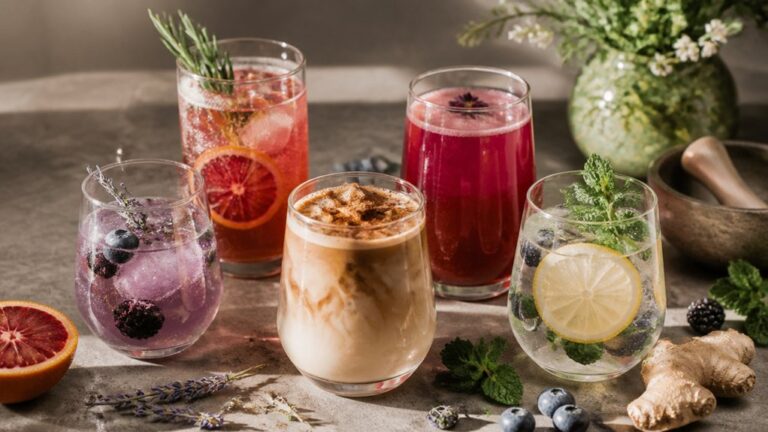
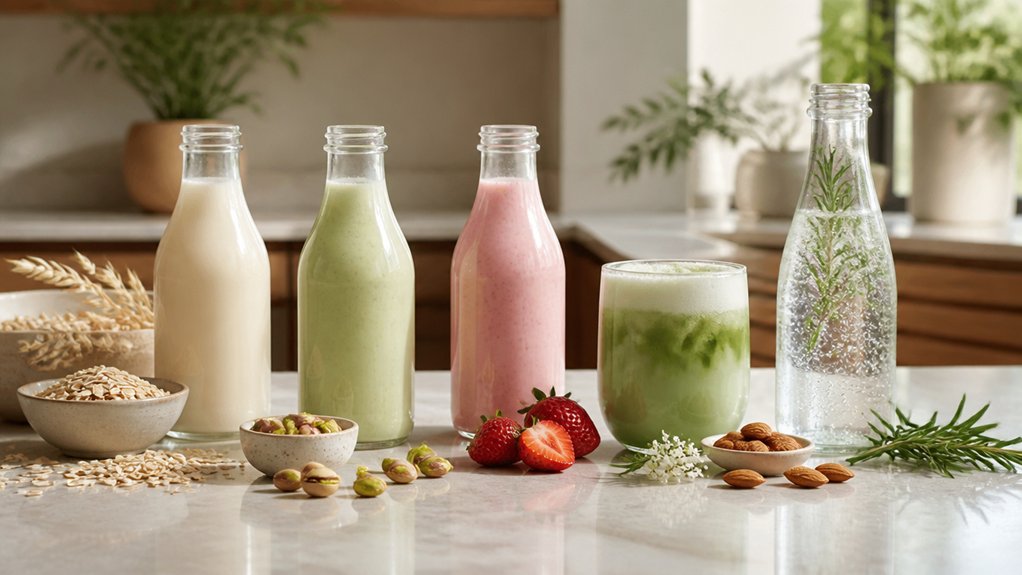
Just as more consumers seek dairy-like comfort, plant-based beverage technology is advancing toward creamier textures and more precise flavor profiles. You’ll find growing interest in coffee-friendly blends, emerging bases such as pea and hemp, and cleaner labels with natural sweeteners. Fortification and recyclable packaging also shape expectations. But meeting these demands together may require a more fundamental rethink of how plant drinks are formulated.
Creamier Plant-Based Drinks That Feel Like Dairy
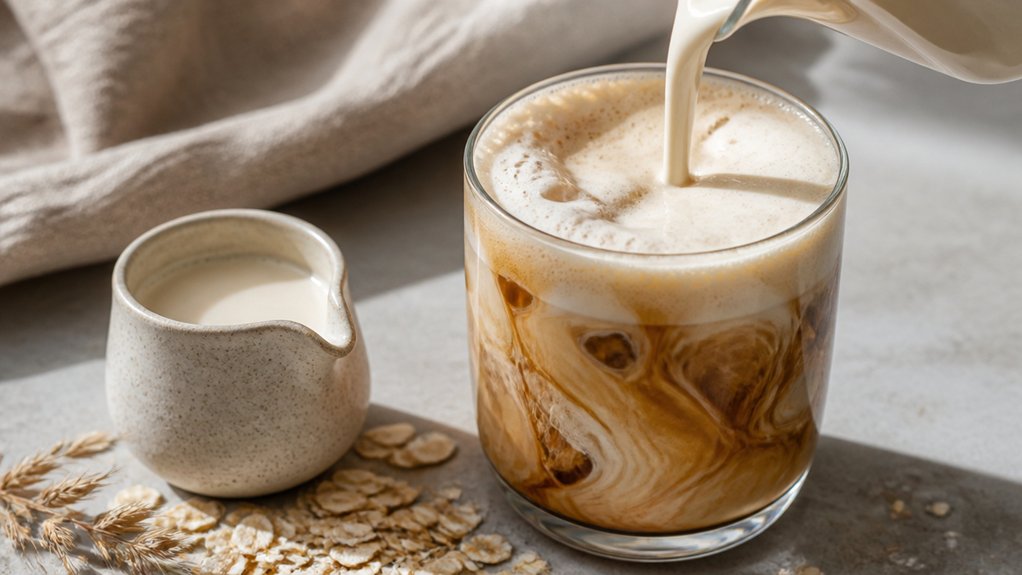
A smoother, fuller texture can make plant-based drinks feel closer to dairy without relying on milk-derived ingredients. You’ll notice the difference when each sip feels balanced, coats your palate, and stays smooth rather than watery.
Formulators can combine carefully selected proteins, oils, and soluble fibers to build Dairy like textures while keeping recipes plant-based. They also use homogenization and controlled heat processing to disperse fat and protein evenly, reducing separation and graininess.
The result is a Creamy mouthfeel that supports everyday use in coffee, cereal, or a glass on its own. You can choose products with the richness you prefer, from light and pourable to dense and indulgent.
These texture innovations help brands deliver satisfying drinks while managing ingredient performance, stability, and nutritional goals.
Better Plant-Based Flavors for Coffee and Smoothies
When you add a plant-based drink to coffee or a smoothie, its flavor should complement the other ingredients rather than overpower them. You’ll notice the difference when formulators balance subtle sweetness, roasted notes, and acidity to suit each use.
In coffee, carefully calibrated vanilla, cocoa, or caramel can soften bitterness without masking the beans’ character. In smoothies, fruit-forward profiles can harmonize with berries, greens, or protein additions.
Flavor enhancements work best when they come from precise blending, not excess sugar or artificial-tasting aromas. You also need reliable performance: a drink should mix smoothly, maintain its aroma, and avoid separating in hot coffee or chilled blends.
Thoughtful beverage texture supports that flavor, creating a consistent sip from first taste to finish. Clear labels help you choose products that match your preferences and recipes.
New Plant Bases Beyond Oat and Almond
As oat and almond drinks become familiar, newer plant bases are expanding the choices for different tastes and uses. You can explore beverages made from pea, chickpea, fava bean, and hemp, each offering distinct protein levels, textures, and flavor profiles.
Advances in milling and enzymatic processing help manufacturers reduce beany notes and create smoother, more stable drinks.
Tiger nut and coconut bring natural sweetness and body, while sesame and pumpkin seed offer richer, savory options.
You’ll also find blends that balance these ingredients for better foaming, creaminess, or nutrition in everyday use.
Exotic fruit can add bright, distinctive notes to emerging bases, and Herbal infusions can complement their character without relying on familiar flavor pairings.
Comparing ingredient sources and processing methods helps you choose a drink that suits your taste, recipes, and preferred texture.
Cleaner Labels in Plant-Based Beverages
Beyond choosing a plant base, you can assess how clearly a beverage communicates what’s in it. A cleaner label helps you identify each ingredient and understand its role, from stabilizing texture to preserving freshness. With ingredient transparency, you can compare products without decoding vague blends or unfamiliar additives. Look for specific names, straightforward explanations, and clear sourcing details that support informed choices.
You’ll also find brands rethinking sweetness. Natural sweeteners, such as dates or fruit concentrates, can add flavor while helping reduce reliance on refined sugar. Still, “natural” doesn’t automatically mean less sugar, so check the nutrition panel and serving size.
Some producers use fermentation or precision processing to improve flavor and stability with fewer label additions. These advances can make plant-based drinks easier to evaluate, personalize, and trust—without asking you to compromise on taste or convenience.
More Protein in Plant-Based Drinks
How much protein a plant-based drink provides depends on its base and formulation. Soy and pea typically deliver more protein than almond or rice, while blending sources can improve amino acid variety.
You can compare grams per serving and check whether the product suits your meals, workouts, or preferred daily intake. New processing methods help manufacturers reduce gritty textures and earthy notes, making higher-protein options smoother and more enjoyable.
Look beyond the headline number: serving size, protein quality, and the drink’s role in your diet all matter. Plant protein can support satiety and muscle maintenance when you include it within a varied eating pattern.
For better nutritional balance, pair your choice with foods that contribute complementary nutrients, rather than relying on one beverage alone.
Choose a formulation that meets your needs and tastes good enough to keep in your routine.
Everyday Nutrients in Fortified Plant Drinks
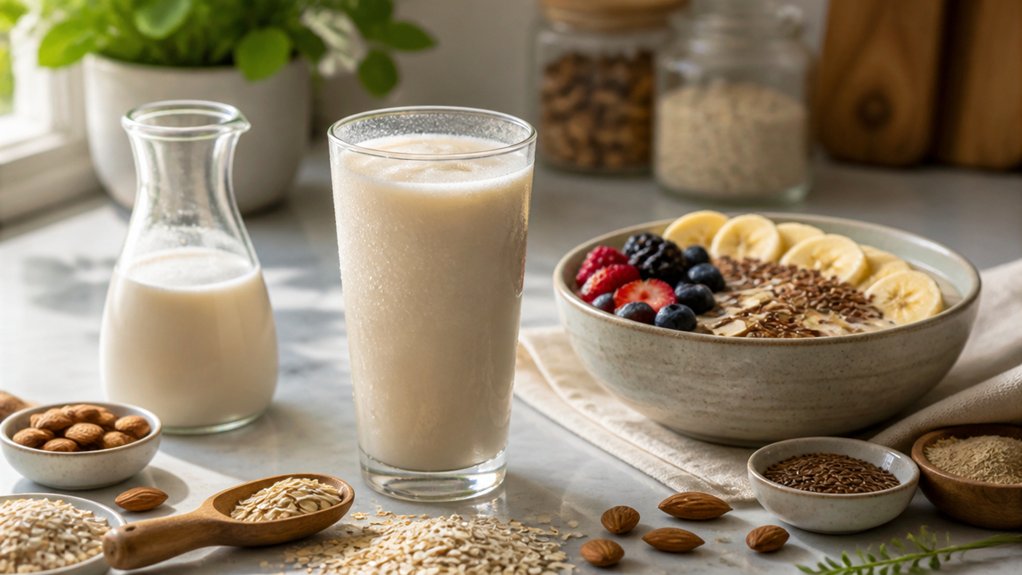
Fortified plant drinks can help you meet everyday nutrient targets with calcium and vitamin D for bone health.
You’ll also find protein to support daily needs and added B vitamins that contribute to energy metabolism.
Check the nutrition label to compare amounts and choose a drink that fits your routine.
Calcium and Vitamin D
When you choose a fortified plant drink, calcium and vitamin D can help make it a more nutritionally complete everyday option. Calcium supports bone structure, while vitamin D helps your body absorb and use calcium.
Together, these nutrients can make a convenient daily beverage more functional, especially when you select products that match your dietary needs.
Check the nutrition panel: calcium levels and vitamin D amounts vary by brand and serving size. Fortified minerals may settle, so shake the carton before pouring to distribute nutrients evenly.
Look for clear labeling and familiar sources, such as calcium carbonate or tricalcium phosphate, and compare percentages of daily value.
A fortified drink can complement your routine, but it won’t replace individualized guidance. If you have specific nutrient needs, ask a health professional whether food choices or dietary supplements make sense for you.
Protein for Daily Needs
Protein content varies widely across plant-based drinks, so check the label to see how much each serving contributes to your daily needs. Soy and pea beverages often deliver more protein than almond, oat, or rice options, but formulations differ.
Compare grams per serving and consider how the drink fits your meals, snacks, and overall intake. New blends combine complementary plant proteins to improve amino acid balance, while filtration and processing advances can refine texture without sacrificing nutrition.
Fortified drinks can support plant-based hydration and add convenient protein after exercise or alongside breakfast. Look for clear ingredient lists and protein sources that suit your preferences.
Brands emphasizing sustainable sourcing may also help you align nutrition choices with environmental priorities. Choose a product that matches your routine, taste, and dietary goals.
Added B Vitamins
B vitamins help your body convert food into energy and support functions such as red blood cell production and nerve health. Fortified plant drinks can deliver familiar nutrients in convenient formats, helping you meet everyday needs alongside a balanced diet. Check labels for specific B vitamins, such as B12, which may be especially relevant if you limit animal products.
Formulation matters: manufacturers can select stable vitamin forms and carefully control processing to preserve nutrient levels through shelf life. Pairing fortification with a varied plant-based diet supports Plant based vitamin synergy, while clear serving information helps you compare products.
B vitamin absorption can vary with individual health and dietary factors, so a beverage isn’t a substitute for personalized advice. Choose options that fit your routine, taste preferences, and nutrition goals.
Easier-to-Recycle Plant-Based Beverage Packaging
How can plant-based beverage packaging fit more smoothly into existing recycling systems? You’ll benefit when brands design cartons, bottles, and caps for the collection and sorting equipment already available in your community. Using fewer material layers, compatible polymers, and clearly labeled components can help recyclers process each package efficiently.
Look for recyclable packaging that identifies its material and offers straightforward disposal instructions. Some cartons combine paperboard with thin barrier layers, so local acceptance varies; check your municipality’s guidance before recycling.
Brands can improve recovery by choosing mono-material structures, water-based inks, and adhesives that separate during processing.
These eco-friendly containers can also protect flavor and shelf life without unnecessary material. Recycled content, lightweight designs, and refill options may further reduce resource use.
When packaging works with local systems, you can make convenient plant-based drink choices with greater confidence.
About the Author