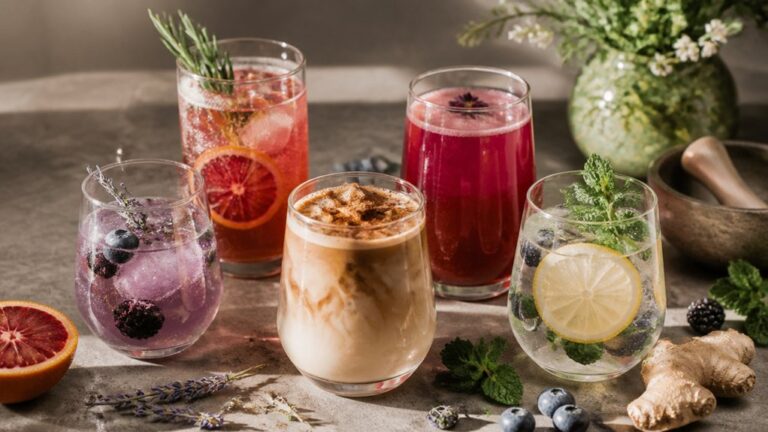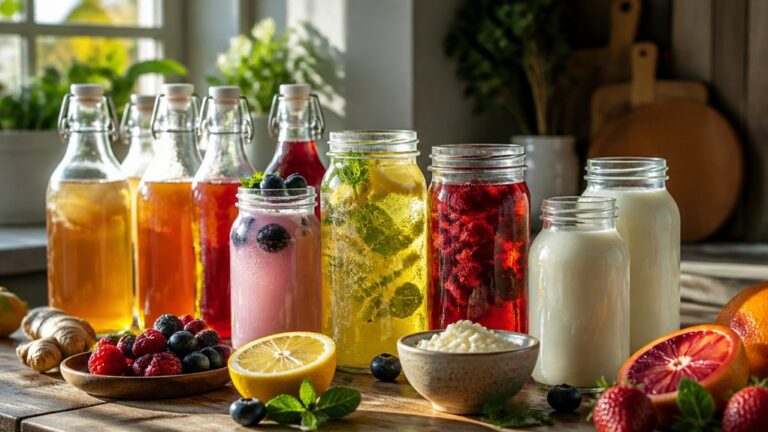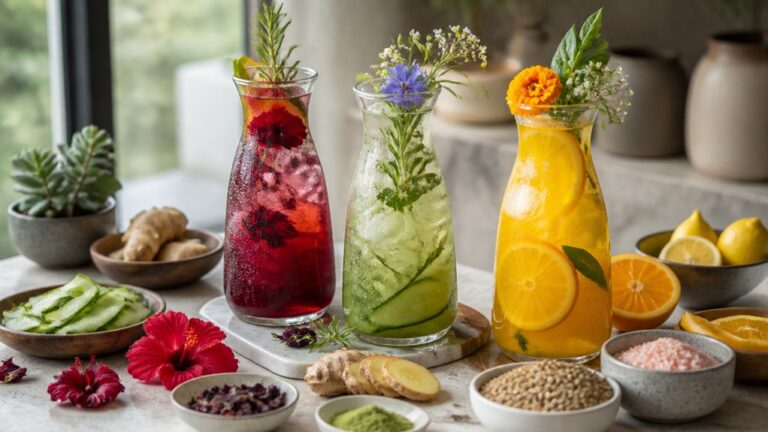

When you choose a drink, you’re weighing more than flavor: added sugar, calories, ingredients, and packaging can all shape your decision. Beverage makers are responding with lower-sugar recipes, functional ingredients, plant-based options, and clearer labels. But improving nutrition without losing taste or convenience takes careful trade-offs—and the changes on the label don’t always tell the whole story.
How Health Goals Shape Drink Choices?
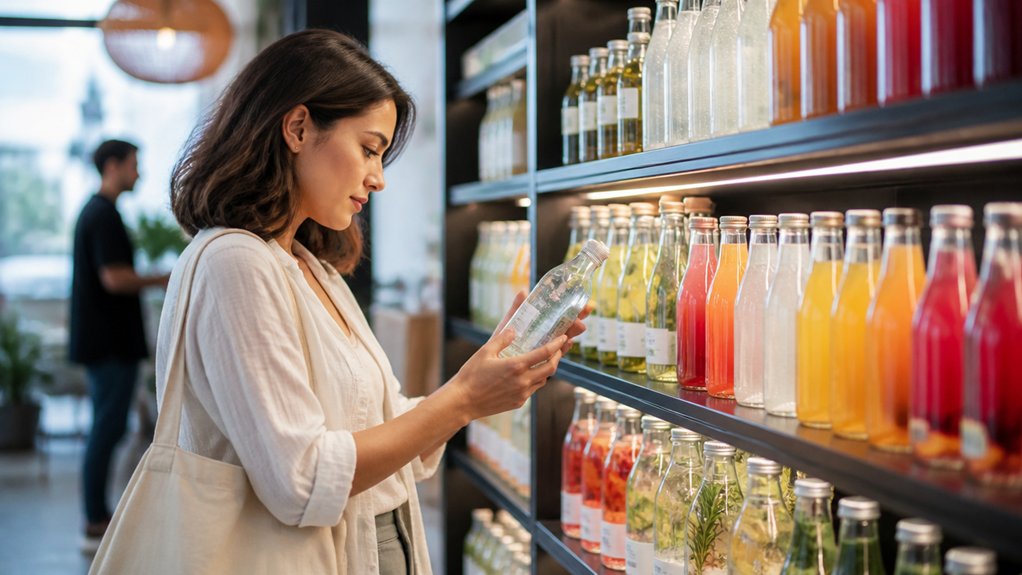
Health goals increasingly shape what consumers put in their cups, from choosing low-sugar drinks to seeking added protein, fiber, or electrolytes. You may also look for ingredients that support digestion, energy, or recovery, depending on your routine and preferences.
These choices make mindful hydration more personal: water remains essential, while functional beverages can offer targeted benefits when their ingredients and serving sizes suit your needs. Check labels to compare nutrient amounts, caffeine, and claims, since formulations vary and benefits depend on the broader diet.
For manufacturers, flavor innovation helps make these options appealing without relying on familiar profiles alone. You might find botanical notes, fruit blends, or savory accents that fit your tastes.
Clear labeling and enjoyable flavors can help you choose drinks that align with your goals and daily habits.
Why Are Beverage Makers Cutting Added Sugar?
As consumers pay closer attention to sugar intake, beverage makers are reducing added sugar to meet demand for drinks that fit health goals without sacrificing taste. For you, that shift can mean clearer nutrition choices and fewer grams of added sugar per serving.
Public health guidance, including the U.S. Dietary Guidelines, recommends limiting added sugars, giving brands a strong reason to reformulate. They’re using fruit, herbs, spices, and carefully balanced acids to build satisfying profiles without relying on sweetness alone.
Flavor innovation also helps companies refresh familiar drinks and introduce distinctive options that suit changing preferences. As you compare products, check nutrition labels: recipes and serving sizes vary.
Some manufacturers pair reformulation with packaging sustainability efforts, such as lighter materials, so you can assess both what’s in your drink and how it’s packaged.
How Do Low-Calorie Drinks Keep Their Appeal?
Low-calorie drinks stay appealing when they deliver flavor, texture, and refreshment—not just fewer calories. You’ll notice the difference when makers balance sweetness with acidity, aroma, and a satisfying finish.
Flavor innovation helps brands create distinctive profiles, from bright citrus blends to gently spiced teas, without relying on sugar for character. They can also refine carbonation and mouthfeel so each sip feels complete.
Clear labeling lets you compare calories and sweeteners, while honest descriptions set expectations about taste.
Branding strategies matter, too: recognizable packaging and specific flavor cues help you choose a drink that fits your preferences, not just a calorie target.
When manufacturers test products with consumers, they can adjust recipes to meet real expectations. The result feels like an enjoyable choice, rather than a compromise.
What Do Functional Ingredients Add to Drinks?
When you want more than refreshment, functional ingredients can give a drink a specific purpose. You’ll find options with added electrolytes to support hydration, fiber for digestive health, or caffeine for alertness. Their benefits depend on the ingredient, amount, and your needs, so check labels rather than assuming every claim guarantees an outcome.
For manufacturers, the challenge is making these additions work without compromising taste, safety, or convenience. Flavor innovation can balance minerals, botanicals, and other active ingredients, while clear labeling helps you understand what you’re buying.
Some brands also pair functional formulas with packaging sustainability, using recyclable materials or lighter containers to reduce waste. These choices let you compare products on more than a headline benefit: consider the evidence, serving size, flavor, and package, then choose a drink that fits your routine.
Why Are Plant-Based Drinks Expanding?
Plant-based drinks are expanding because they offer alternatives for people avoiding dairy, exploring new flavors, or seeking options that fit dietary preferences. You can find choices made from oats, soy, almonds, peas, and other plants, each bringing distinct textures and tastes.
Manufacturers are also developing blends that work in coffee, smoothies, and everyday meals, making these drinks easier to adopt.
Your preferences may extend beyond milk alternatives. Herbal infusions and sparkling waters with botanical flavors give you more ways to enjoy plant-forward beverages without relying on dairy.
Product innovation helps brands respond to demand for variety, convenience, and options suited to different eating patterns. As more consumers seek alternatives, companies are refining recipes and expanding distribution.
You’ll see plant-based drinks move from specialty shelves into mainstream stores, where broader access can make them part of your regular routine.
What Do Beverage Labels Reveal About Ingredients?
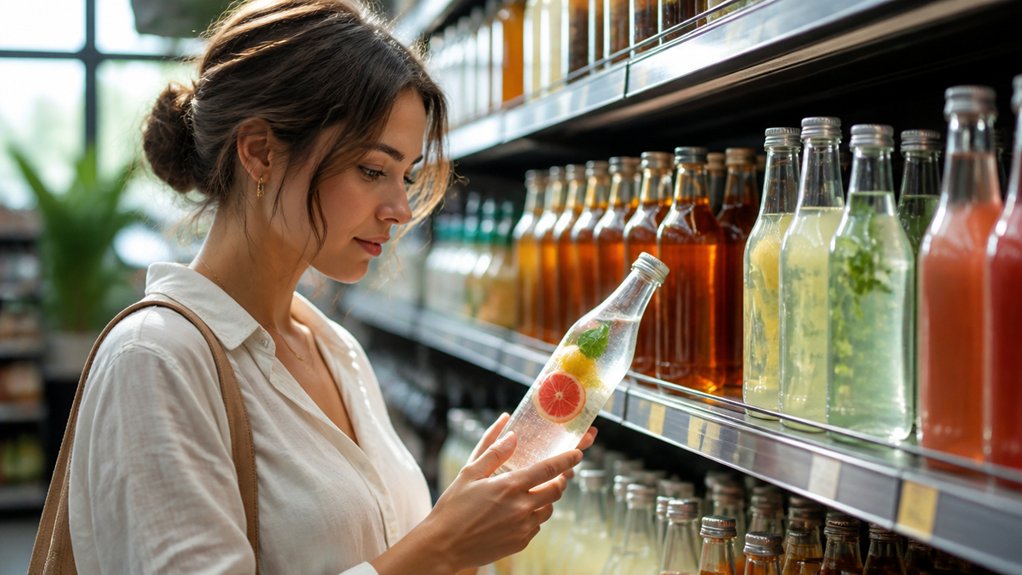
You can use the ingredient list—and its order—to see which components make up most of your drink.
Check the nutrition facts for added sugars and sweeteners, since names and amounts can vary.
Compare front-label claims with recognized certifications to judge what’s verified and what’s marketing.
Ingredient Lists And Order
Ingredient lists offer a quick way to assess what’s in a beverage—and how much of each ingredient it contains. In most markets, manufacturers list ingredients in descending order by weight, so the first items make up the largest shares. You can use that sequence to compare products, spot prominent juice, tea, or botanical components, and check whether a front-label claim matches the formula.
Remember, however, that ingredient order doesn’t reveal exact percentages, and compound ingredients may include subingredients. Clear, familiar names can make choices easier, while precise descriptions help you understand unfamiliar extracts or functional additions.
As Flavor innovation introduces new botanicals and blends, readable lists help you evaluate what’s inside. Packaging sustainability matters, too: recyclable materials and clear label design can make ingredient information easier to find and use.
Added Sugars And Sweeteners
When you compare beverage labels, check both the added-sugars line and the ingredient list: the Nutrition Facts panel shows how much added sugar a serving contains, while ingredients reveal the sweeteners used, such as cane sugar, honey, or stevia.
Compare serving sizes, too; a bottle may contain multiple servings, so the total can exceed the amount shown per serving. Ingredients such as fruit juice concentrate may also contribute added sugars.
Don’t assume that “natural” sweeteners provide a nutritional advantage: sugar still adds calories, while nonnutritive sweeteners can reduce sugar without necessarily matching sugar’s taste.
Manufacturers use blends and flavor innovation to balance sweetness, aroma, and texture. You can assess those choices against your preferences and consumption habits.
Packaging sustainability may shape product design, but it doesn’t tell you how much sugar a drink contains. Read the panel.
Claims Versus Certifications
What does a beverage label actually verify? A claim such as “natural,” “clean,” or “immune-supporting” may describe a manufacturer’s positioning, not an independently tested ingredient standard. You can check the ingredient list and Nutrition Facts panel for measurable details, including sweeteners, caffeine, and serving size.
Claims about health benefits may also face regulatory requirements, but wording alone doesn’t prove a product delivers a specific outcome.
Certifications offer a different signal. When you see a recognized organic, non-GMO, or fair-trade seal, check the certifier’s criteria and scope; standards vary, and certification doesn’t guarantee every quality you value.
Manufacturers use both claims and seals as Marketing strategies, so compare them with evidence. For stronger Consumer trust, look for transparent sourcing, accessible testing details, and clear explanations of what each label does—and doesn’t—confirm before you buy.
How Does Packaging Clarify Nutrition Information?
Clear nutrition labels help you compare calories, sugars, and other nutrients at a glance.
Front-of-pack information can make key details easier to spot as you choose a drink.
When packaging also clarifies ingredients, you can make decisions that better fit your needs.
Clear Nutrition Labels
As health-conscious shoppers compare beverages, easy-to-read packaging helps them quickly assess what’s inside. Clear nutrition labels let you check serving sizes, calories, sugars, sodium, and key nutrients without searching for fine print. Consistent layouts and legible type make comparisons easier, while plain-language ingredient lists help you recognize familiar components and spot allergens.
Manufacturers can use digital tools, such as QR codes, to provide expanded sourcing or nutrient details without crowding the package. Accurate, current information also supports informed choices when formulations change. For example, you can see whether Flavor innovation brings added sugars or relies on fruit and spices for taste.
As packaging sustainability advances, durable, recyclable materials should preserve label readability through storage and use. Transparent details build trust and help you choose beverages that fit your needs.
Front-Of-Pack Information
Front-of-pack information gives you a quick snapshot of a beverage’s nutritional profile before you turn to the full label. Clear icons, serving-size cues, and prominent figures for calories, sugar, or key nutrients can help you compare options at a glance. When manufacturers use consistent, readable formats, you spend less time decoding claims and more time choosing what fits your needs.
This information also shapes Beverage marketing: concise, accurate summaries can highlight relevant benefits without obscuring nutritional context. Look for designs that distinguish facts from promotional messages and show values per serving, so you can judge portions fairly.
Front-of-pack displays work best alongside the full nutrition panel, not as a substitute. That pairing supports Consumer education, helping you build practical habits and make informed choices across different beverage categories. It can also encourage manufacturers to present nutrition data more clearly.
Ingredient Transparency
Beyond front-of-pack summaries, the ingredient list shows what’s inside and how those ingredients relate to the nutrition panel. When you compare ingredients with serving size, calories, sugars, and sodium, you can judge whether a drink fits your needs.
Clear names and plain-language explanations help you recognize sweeteners, flavors, and functional additions without relying on vague claims. QR codes can offer expanded sourcing details, allergen information, or explanations of unfamiliar ingredients, while keeping essential facts visible on the package.
Manufacturers can also connect flavor innovation with transparency by explaining how fruit, herbs, or alternative sweeteners shape taste. As packaging sustainability advances, recyclable materials and smaller labels may limit space, so brands must prioritize readable type and accessible digital details.
You deserve information that supports confident, informed choices.
How Do Brands Balance Nutrition, Taste, and Convenience?
Consumers want beverages that support their health goals without sacrificing flavor or fitting them into a complicated routine. To meet those expectations, brands combine useful nutrients with familiar, enjoyable taste and formats that suit busy days.
You’ll find options with less added sugar, protein, fiber, or electrolytes, but nutrition claims should match clear serving information and credible evidence.
Flavor innovation helps manufacturers use fruit, herbs, spices, and fermentation to build complexity while reducing reliance on sugar. They can also test recipes with consumers, refining sweetness and texture before launch.
Convenient packaging—such as resealable bottles, single-serve cartons, and shelf-stable blends—makes healthier choices easier to carry and use.
Effective branding strategies communicate benefits plainly, so you can compare products and choose what fits your needs. When nutrition, taste, and convenience work together, you gain options you’ll actually enjoy and reach for.
About the Author