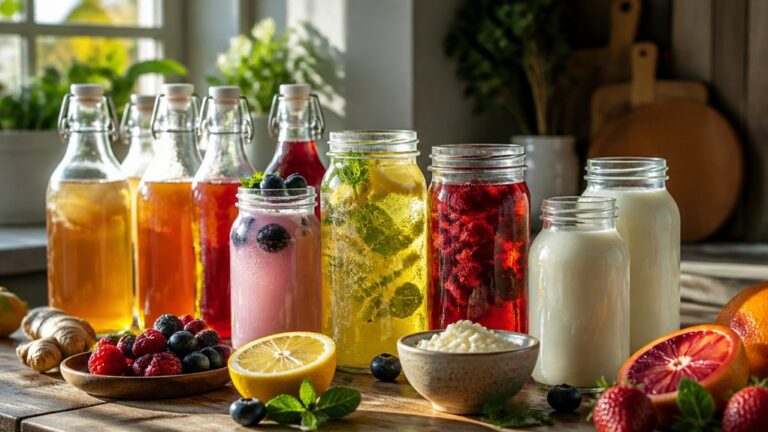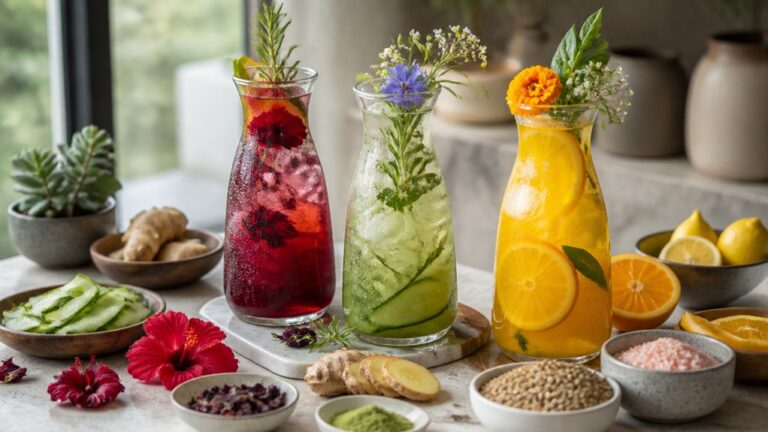
A clear label can act like a window into a drink’s design, revealing choices that shape its flavor, function, and shelf life. As you assess botanical extracts, adaptogens, fruit concentrates, and plant-based sweeteners, you’ll see how sourcing and processing influence both performance and consistency. Yet “natural” alone doesn’t establish quality or support a claim. The evidence lies in how brands standardize ingredients, test formulations, and document their origins.
Why Do Beverage Brands Choose Natural Ingredients?
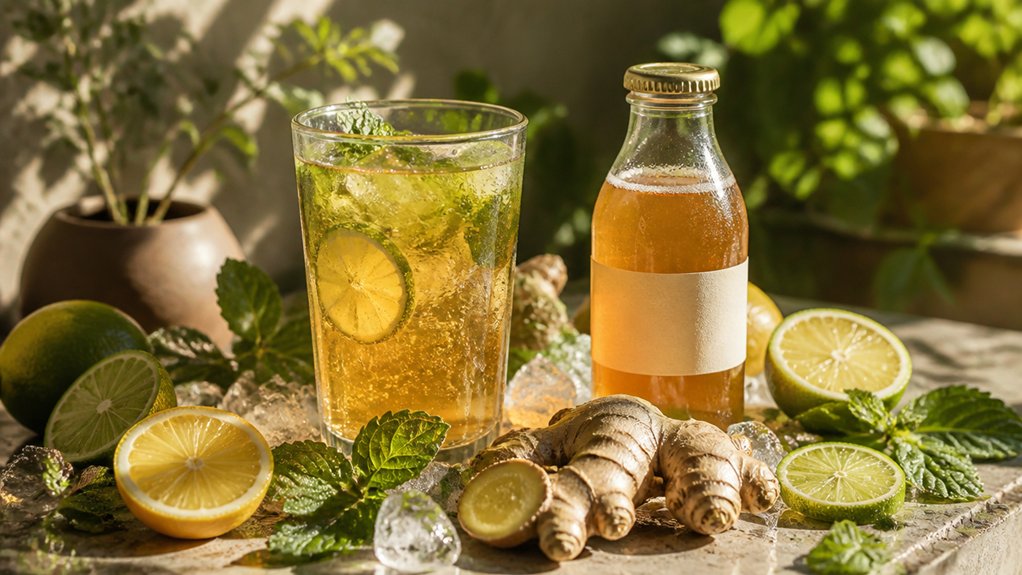
Beverage brands choose natural ingredients to meet demand for recognizable formulations and differentiate products in a crowded market. When you evaluate a label, familiar sources can make a product’s purpose easier to understand and support trust. Brands also use these ingredients to respond to consumer research linking ingredient transparency with purchase intent.
Yet natural doesn’t automatically mean safer, healthier, or more sustainable; you should assess evidence, processing, and serving size.
For manufacturers, reformulation can create technical challenges. Natural inputs vary by season, origin, and extraction method, so teams must validate flavor consistency, stability, safety, and supply reliability.
Sustainability practices matter, too: responsible sourcing and traceable supply chains can reduce environmental risks and strengthen credibility. Ultimately, consumer perception depends on substantiated claims.
Clear labeling and measurable sourcing standards help you distinguish meaningful innovation from marketing alone.
Which Botanicals and Adaptogens Go in Drinks?
Ingredient transparency also depends on naming what’s in the formula: beverage brands use botanicals such as ginger, hibiscus, green tea, and turmeric, alongside adaptogens such as ashwagandha, rhodiola, and ginseng. Each plant contributes distinct compounds, including polyphenols, terpenes, and gingerols, so you can assess a drink’s formulation beyond its marketing claims.
Herbal infusions offer a familiar way to extract water-soluble constituents, while standardized extracts help formulators control concentration and batch consistency. Botanical synergy—the interaction of multiple plant ingredients—can guide blends designed for complementary sensory and functional profiles.
Yet evidence varies by ingredient, preparation, and dose; traditional use doesn’t establish clinical benefit. When you evaluate a product, check the species, plant part, extract ratio, and serving amount. Those details help you compare formulas and understand what research can support.
How Do Fruit Extracts and Plant Sweeteners Shape Flavor?
Fruit extracts and plant-derived sweeteners shape a drink’s flavor through distinct aroma compounds, sugars, and acids. When you select an extract, you choose more than fruit identity: extraction method and concentration determine which volatile notes—citrus zest, berry esters, or stone-fruit aromas—reach the glass.
Pairing these compounds with acids can sharpen brightness or build a rounder, layered impression.
Plant sweeteners contribute their own sensory signatures. Stevia can add lingering herbal notes, while monk fruit may bring a mild, fruity sweetness. You can balance these effects by adjusting blend ratios and matching sweetness intensity to the extract’s acidity.
Research-led sensory panels help you map flavor profiles and identify combinations consumers prefer. Careful ingredient sourcing also supports consistent variety, maturity, and processing specifications, giving your formulation a distinctive, repeatable character.
How Do Natural Ingredients Affect Taste and Shelf Life?
Natural ingredients can add fresh, complex flavor, but they may also change how a drink holds up over time. You can use citrus oils, botanical extracts, and fermented components for flavor enhancement, yet their volatile compounds may fade or shift during processing and storage. Heat, oxygen, light, and pH can accelerate these changes, altering aroma, color, or perceived sweetness.
To protect shelf stability, you’ll need to match each ingredient to the beverage’s formulation and packaging. Antioxidants, oxygen barriers, and controlled processing can slow oxidation, while acidity and refrigeration may limit microbial growth.
However, plant-based ingredients can introduce enzymes, nutrients, or suspended particles that affect clarity and stability. Pilot testing across realistic storage conditions helps you identify interactions early. With targeted formulation, you can preserve a distinctive sensory profile without relying on excessive processing or compromising product quality.
How Can Brands Substantiate Natural Ingredient Claims?
As formulations evolve to protect flavor and shelf life, brands also need evidence that their natural ingredient claims are accurate. You can build that evidence by tracing each ingredient to its source, documenting processing methods, and verifying supplier specifications against applicable standards.
Use validated analytical tests to detect synthetic additives, contaminants, or unexpected compositional changes; retain certificates of analysis and audit trails for every batch.
For Marketing compliance, review labels and advertising against regulations in each market, since “natural” may lack a single legal definition. Keep claim language specific: identify the ingredient or process you mean rather than implying the entire beverage is unprocessed.
You should also test Consumer perception through structured surveys and sensory research. Compare interpretations with your intended message, then refine wording and packaging.
Ongoing monitoring helps you substantiate claims as suppliers, formulations, and rules change.
About the Author